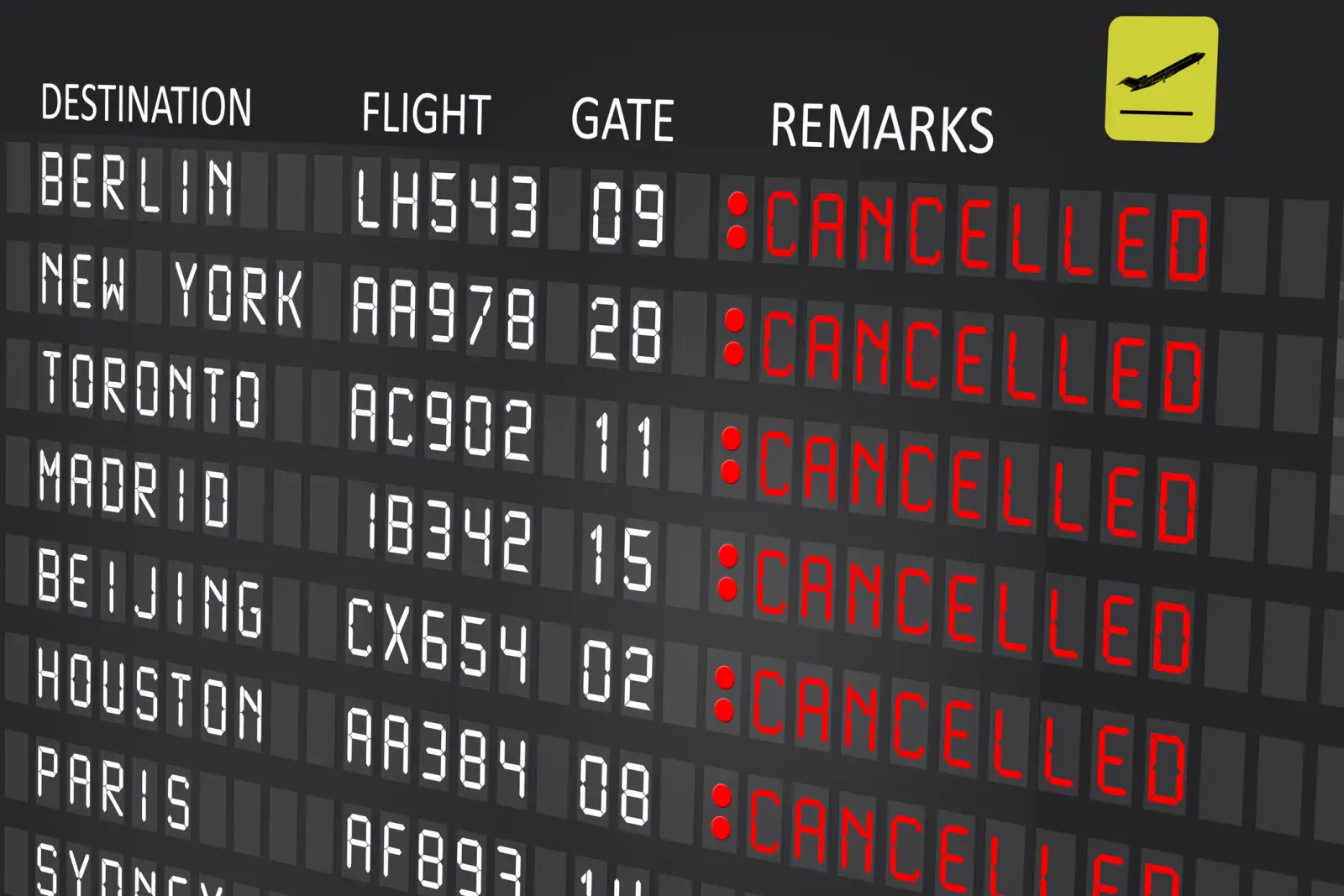
Airlines have cut about 13,000 flights globally in May as jet fuel prices rise sharply because of the conflict in the Middle East, according to aviation data firm Cirium.
The reductions have removed nearly 2 million seats from schedules during the month, raising the risk of disruption for travellers heading into the UK half-term holiday period at the end of May.
Cirium said Istanbul and Munich have seen the biggest cuts. Airlines have also trimmed summer schedules and, in some cases, pushed up ticket prices.
Jet fuel prices have more than doubled since the beginning of the war. One tonne was trading at $831 in late February and reached $1,838 by early April.
Air France, KLM, Air Canada, Delta and SAS have already reduced flights for the summer. Lufthansa said earlier this month that it would remove 20,000 flights between now and the end of October.
The pressure on airlines comes as the International Energy Agency warned in mid-April that Europe had “maybe six weeks of jet fuel left”. The agency advises 32 member governments on energy supply and security.
Airlines are usually reluctant to cancel flights because they can lose valuable take-off and landing slots at airports. But in the UK, new contingency plans could shield carriers from that risk if they cancel flights in advance because of fuel shortages.
The government is preparing concessions to help airlines, including allowing them to cancel flights well in advance at busy airports such as Heathrow without the risk of losing slots.
Transport Secretary Heidi Alexander said at the weekend that she was confident most people travelling this summer would have a similar experience to last year.
The flight cuts highlight how the rising cost and limited supply of jet fuel are already affecting airline schedules, with European airports among the hardest hit. Travellers booking for peak summer periods may still face changes if carriers decide to cut more flights.