The average nightly rate for a 5-star hotel in the Maldives during high season starts above $1,200 and runs past $12,000 at the top end. Bora Bora, Santorini, and the Amalfi Coast fall somewhere in between. These are places people plan around for years, places that appear on lists of aspirational destinations more often than on actual itineraries. But the definition of luxury travel has started to stretch in recent years, and the best destinations are no longer limited to the ones that require a second mortgage.
The Maldives and the Overwater Villa Standard
The Maldives set the template for modern luxury travel. Overwater bungalows with glass floors, private pools, and direct ocean access became the benchmark against which every other tropical destination is measured. Resorts like Soneva Fushi charge upward of $12,300 per night during peak months. The archipelago is spread across 26 atolls, and the most exclusive properties are accessible only by seaplane or speedboat from Male.
What makes the Maldives difficult to replicate is the isolation. Each resort occupies its own island, which means guests have an entire landmass to themselves and a small group of other visitors. The privacy is absolute in a way that even the most expensive hotels in Europe or Asia cannot match. The tradeoff is that there is little to do beyond the resort itself. Snorkeling, diving, spa treatments, and meals account for most of the day. For travelers who want stimulation beyond relaxation, the Maldives can feel constrained after a few days.
Bora Bora and the South Pacific
Bora Bora operates on a similar model. Overwater bungalows face Mount Otemanu across a turquoise lagoon. The Four Seasons and Conrad resorts run between $1,500 and $4,000 per night. The island is smaller than most people expect, roughly 12 square miles, and the town of Vaitape has a few restaurants and shops but nothing resembling a nightlife scene.
The appeal is the lagoon. The water is shallow, warm, and transparent enough to see fish from a balcony. Shark and ray feeding excursions, jet ski tours, and helicopter rides over the reef are standard resort offerings. Bora Bora draws honeymooners and anniversary couples more than any other demographic, and the resorts price accordingly.
Santorini for a Different Kind of Luxury
Santorini offers something the tropical islands do not. The luxury here is architectural and culinary rather than natural. Whitewashed buildings cut into volcanic cliffs overlook the caldera, and the best suites in Oia and Fira come with infinity pools that seem to pour directly into the Aegean. Rates at top properties like Canaves Oia or Grace Hotel run $800 to $2,500 per night during summer.
The island also has a food and wine scene that competes with mainland Greece. Assyrtiko wine, cherry tomatoes grown in volcanic soil, and seafood pulled from the caldera that morning are staples at restaurants that would be considered excellent in any major city. Santorini works as a luxury destination because it layers culture, food, and scenery in a way that resorts built on empty atolls cannot.
Accessible Luxury and What It Actually Costs
Not every luxury trip requires $2,000 a night. International 5-star hotels are, on average, 27% cheaper than their American equivalents. Bali’s top resorts average $180 per night. Hanoi, Pattaya, and Auckland all have 5-star properties under $200. Southeast Asia in general offers a version of luxury travel that would cost 5 to 10 times more in Western Europe or North America.
The gap in pricing has created a category of traveler who plans specifically around cost arbitrage. A couple spending $300 per night in Ubud gets private villa accommodation, daily breakfast, a pool, and spa access. The same budget in Positano covers a mid-range room with a partial sea view. You don’t need to vacation with a sugar daddy or inherit a trust fund to stay at a villa in Bali. You need a flight and a willingness to book a 14-hour flight.
The Amalfi Coast and Southern Europe
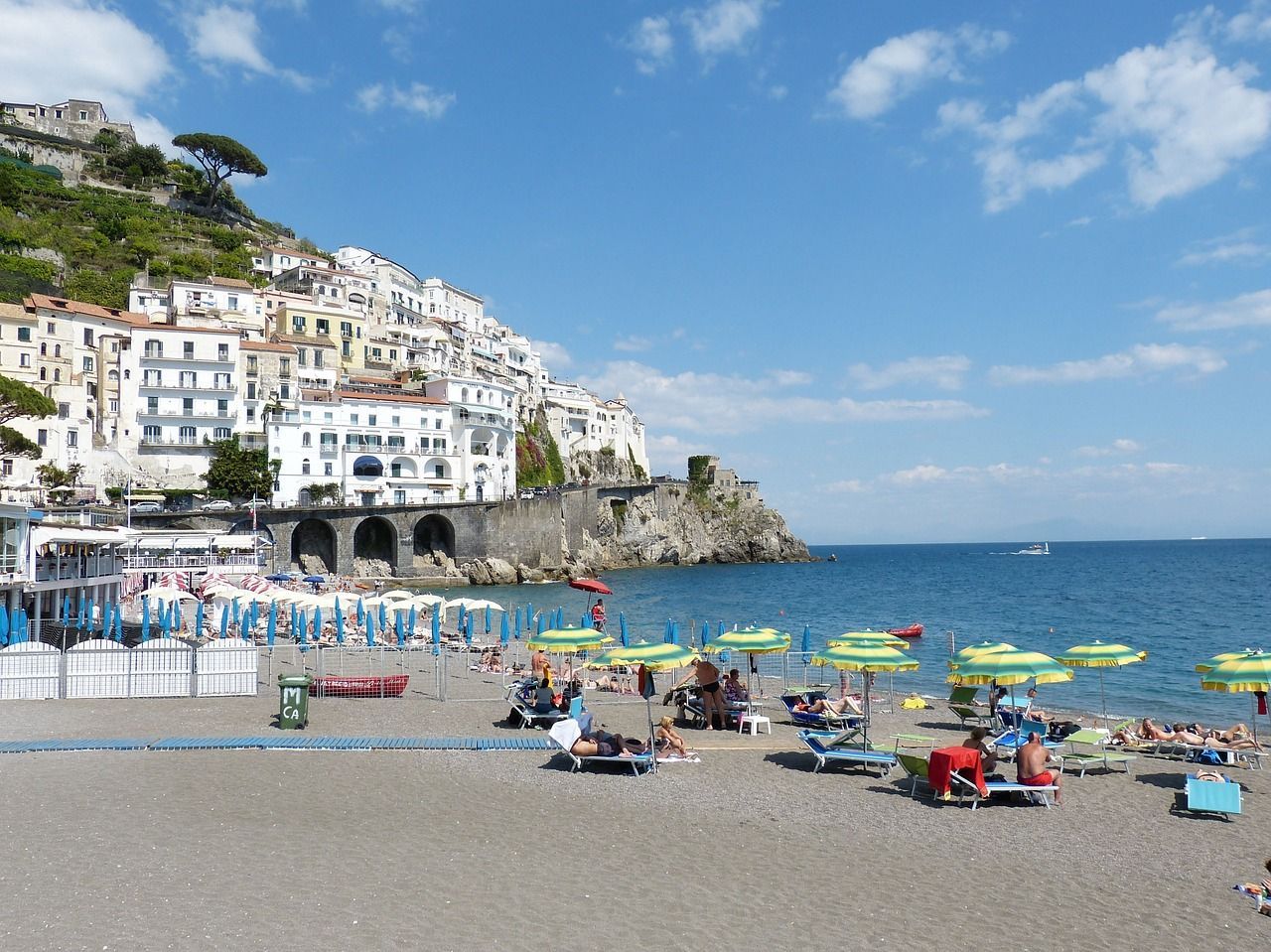
The Amalfi Coast remains one of the most photographed stretches of coastline in the world. Positano, Ravello, and Amalfi itself cling to cliffs above the Tyrrhenian Sea, connected by a winding road that barely accommodates two lanes of traffic. Hotels like Belmond Hotel Caruso in Ravello and Le Sirenuse in Positano charge $1,000 to $3,500 per night in summer.
The coast works best as part of a longer Italian trip. A few days in Ravello followed by Naples, Rome, or the Tuscan countryside gives the trip a rhythm that a resort stay cannot. Southern Europe in general rewards movement. The luxury is in the food, the history, and the light rather than in a single property.
Portugal has entered this category as well. Lisbon and the Algarve region now have boutique hotels and restored estates that compete directly with the Amalfi Coast at a fraction of the price. A 5-star hotel in Lisbon runs $250 to $600 per night. The coastline south of Faro has cliffs, caves, and beaches that draw the same type of traveler who would have gone to Capri a decade ago.
Japan and the Emerging Luxury Market
Japan has built a luxury travel infrastructure without abandoning its cultural identity. Ryokans, traditional inns with tatami rooms, kaiseki meals, and onsen baths, have been operating for centuries. The highest-end versions charge $500 to $1,500 per night and offer a level of service that Western hotels describe as hospitality but rarely execute with the same precision.
Tokyo and Kyoto also have modern luxury hotels. The Peninsula Tokyo, the Aman Kyoto, and the Park Hyatt (made famous by Lost in Translation) cater to travelers who want the polish of a Western chain with access to a city that runs on a different set of principles. The Shinkansen connects the country’s major cities in hours, which means a 2-week trip can include mountains, coastline, temples, and urban density without a single domestic flight.
What Defines Luxury Now
The word has been stretched far enough that it covers everything from a $12,000-per-night Maldives villa to a $180-per-night Bali retreat. The common thread is not price. It is the absence of friction. Luxury travel means someone else handles the logistics, the food is good without effort, and the setting delivers something the traveler cannot get at home.
The travelers booking these trips in 2025 are younger and more price-conscious than the stereotype suggests. Millennials now account for the largest share of luxury travel spending, and they tend to prioritize location and access over brand names and marble lobbies. A converted farmhouse in Tuscany with a private chef beats a Ritz-Carlton in a suburb. The destinations that do this best are the ones where the place itself is the product, not the thread count of the sheets.