Japan will raise tourist visa fees by five times from 1 July 2026, marking the country’s first revision of visa charges since 1978 as authorities seek to cover the growing cost of immigration services amid record visitor arrivals and a rising foreign population.
The new fees were approved by the Japanese cabinet on 19 June. Under the revised structure, a single-entry visa will increase from 3,000 yen to 15,000 yen (approx. €81.52, US$93) while a multiple-entry visa will rise from 6,000 yen to 30,000 yen. The higher charges will apply to travellers from countries that require a visa to enter Japan.
According to the Japanese government, the existing fee structure no longer reflects the real cost of processing visa applications and managing immigration procedures after nearly five decades of inflation, currency fluctuations and increased administrative demands.
Foreign Minister Toshimitsu Motegi said the review was necessary because current visa fees had remained unchanged since 1978 despite significant economic changes and growing pressure on immigration services.
Record Tourism Growth Drives Policy Changes
The increase comes as Japan continues to experience strong inbound tourism demand. A weaker yen, expanding international air connectivity and growing interest in destinations such as Tokyo, Kyoto and Osaka have helped attract record numbers of overseas visitors.
Japan’s foreign resident population also reached a record 4.13 million people at the end of 2025. Officials say additional revenue generated from higher visa fees will help finance immigration staffing, digital systems, border management infrastructure and Japanese-language education programmes for foreign residents.
The government has stressed that the new visa fees remain broadly comparable with immigration charges imposed by several Western countries. Officials have pointed to examples including the United States and Germany, where certain visa and immigration processes can cost significantly more.
Broader Immigration Reforms Underway
The visa fee increase forms part of a wider package of immigration reforms approved by Japan’s parliament in May 2026. Amendments to the Immigration Control and Refugee Recognition Act allow the government to raise a range of immigration-related fees beyond tourist visas.
The revised legislation increases the legal ceiling for residence-status changes and visa renewals from 10,000 yen to 100,000 yen. It also raises the maximum fee for permanent residency applications from 10,000 yen to 300,000 yen.
Final fee levels for these services will be determined through cabinet orders and public consultation. Government proposals indicate that long-term foreign residents could eventually pay between 10,000 yen and 70,000 yen for status renewals, while permanent residency applications could cost around 200,000 yen.
The measures are expected to be implemented before the end of Japan’s 2026 fiscal year on 31 March 2027.
Alongside the fee reforms, Japan is preparing to launch the Japan Electronic System for Travel Authorization (JESTA), a new online travel screening programme expected to begin in fiscal 2028.
The system will apply to travellers from 74 visa-waiver countries and territories. Similar to the U.S. ESTA programme, JESTA will require passengers to submit personal information, travel plans and destination details before departure. Japanese authorities will review the information against immigration and criminal databases before travellers board aircraft or ships bound for Japan.
Officials say the system is designed to strengthen border security, improve immigration efficiency and identify potential overstayers before arrival while supporting Japan’s continued growth as one of the world’s most popular travel destinations.
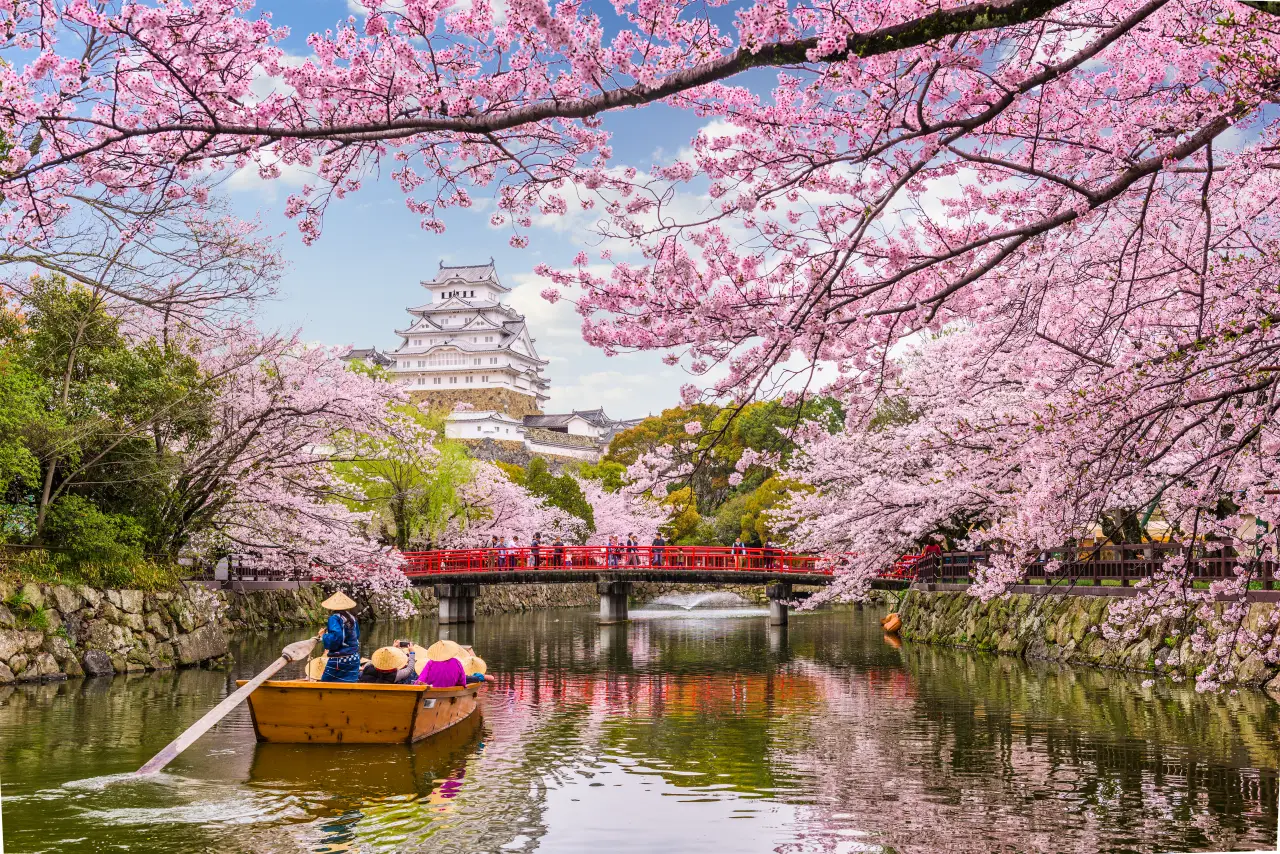
Photo Credit: Sean Pavone / Shutterstock.com