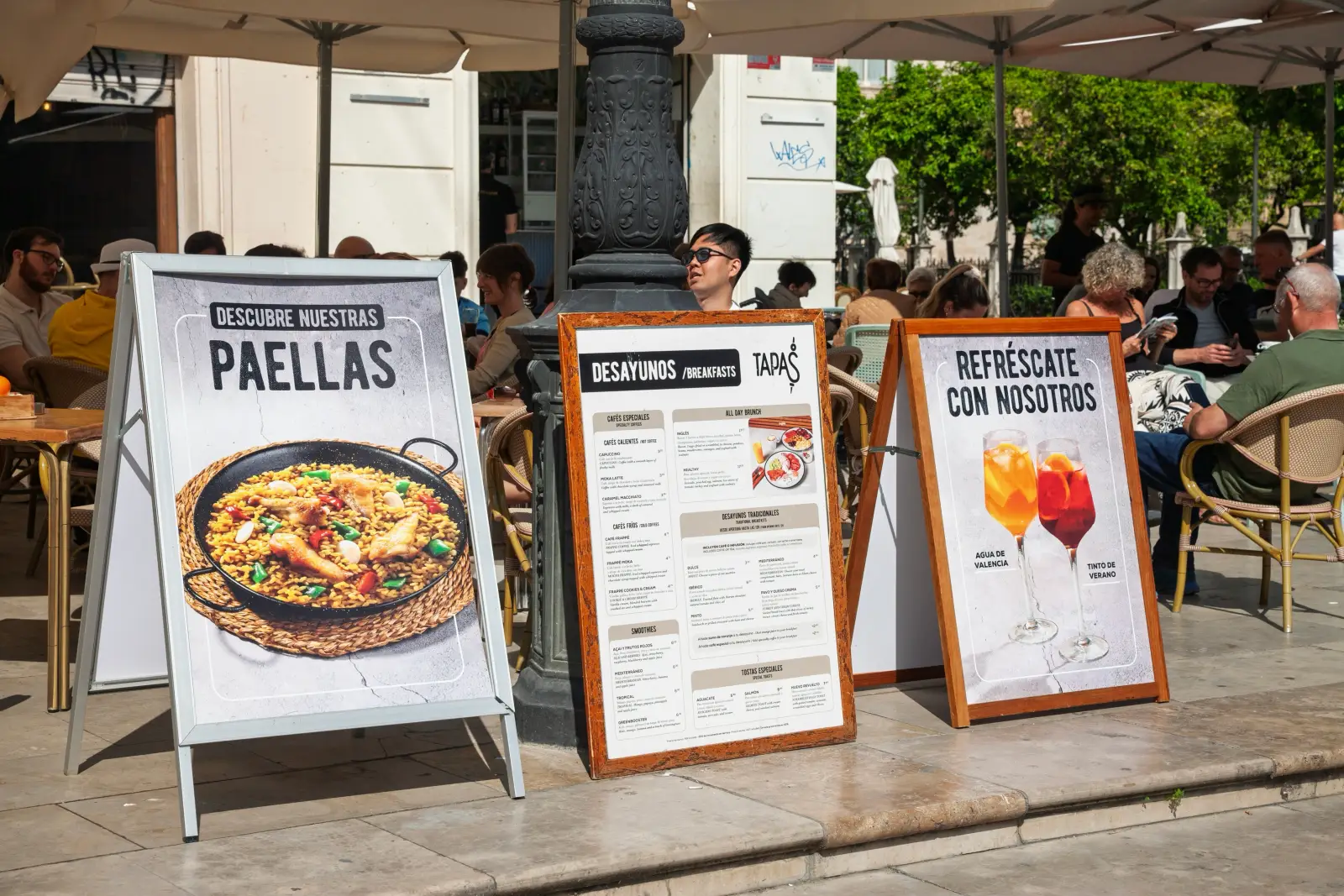
Spain‘s hospitality sector is showing greater stability in 2026, as bars and cafes adapt to changing consumer habits while keeping the country’s traditional drinking and dining culture at the heart of the experience.
The shift is being driven by stronger consumer spending, with tourism, employment and favourable weather all supporting growth across the industry. Rather than reinventing itself, the sector is evolving around familiar formats that continue to draw large numbers of customers throughout the day.
Paco Tabares, strategic clients manager at Suntory Beverage & Food Iberia, said brands are adapting to new trends while staying fully integrated into the bar experience. He pointed to tinto de verano, a wine based summer drink, as an example, noting the category has grown by almost 60 percent over the past four years.
Industry figures say innovation in Spanish hospitality is coming through reinterpretation rather than disruption. Bars are preserving their core appeal while changing how they serve different customers at different times of day, from morning coffee to late night cocktails.
That balance between tradition and change is also visible on the food side. Álvaro Castellanos and Iván Morales, owners of the Arzabal group, said traditional cuisine is back in fashion, but with different consumption moments and new ways of pairing dishes with drinks.
Both chefs also highlighted the continuing strength of tinto de verano, which has become one of the drinks most closely associated with Spain’s summer hospitality trade, alongside vermouth and classic aperitifs.
For drinks brands, the opportunity lies in matching established products with new social occasions. Schweppes and La Casera are among the names adapting to these shifts across aperitifs, afternoon drinks and cocktail occasions.
Ignacio Blanco, chief executive of Larrumba Holding, said he has seen an extension of consumption moments, with longer aperitifs, tardeo and a boost to cocktail culture across the group’s venues.
The wider economic weight of the hospitality industry remains significant. The sector contributes 6.7 percent to Spain’s national gross domestic product, underlining its role as one of the country’s most important engines of activity, according to industry estimates.
The sector’s recovery has also translated into record employment. Hospitality businesses reported close to 2.9 million affiliated workers in recent months, the highest level on record, while tourism related jobs reached 2.75 million Social Security affiliates in 2025, according to sector data from Hostelería de España.
Beverages now account for 81 percent of activity within the distribution side of the sector, according to the latest report from the Federación Española de Empresas de Distribución a Hostelería y Restauración, underlining how central drinks remain to the Spanish bar experience even as food trends evolve.
Franchise growth has also become a defining feature of the market. Spain now counts more than 400 franchised restaurant and bar brands, operating close to 9,600 establishments, generating more than 110,000 jobs and turning over an estimated 6.95 billion euros, according to recent sector analysis.
Forecasts for 2026 point to overall sector growth of up to 3 percent, a more moderate pace than in previous years, as inflation, domestic consumption and tourism flows continue to shape demand.
Rather than a sector in reinvention, industry figures describe Spanish hospitality as being in a phase of optimisation. Bars continue to rely on familiar products and formats, but they are adjusting the pace, timing and style of consumption to match newer habits.
That means classic dishes, long aperitifs and signature summer drinks are now sitting alongside longer drinking occasions and a stronger cocktail offer. The result is a bar culture that is changing, but still recognisably Spanish.
Photo Credit: BalkansCat / Shutterstock.com