Italian travel demand has recovered after a spring slowdown, with ASTOI Confindustria Viaggi saying bookings have risen since June and the summer 2026 market is showing signs of stabilisation.
The association said average bookings are now down about 5% on the same period in 2025, a far smaller fall than the double digit drops seen between March and May. It said travellers are booking later, choosing destinations more carefully and seeking more flexibility, reliability and protection.
Tourism organised by tour operators is benefiting from that shift, according to Pier Ezhaya, president of ASTOI Confindustria Viaggi. He said in a statement that customers want a single point of contact who can help before, during and after a trip, find alternatives and arrange repatriation or refunds where needed.
The latest ASTOI Observatory for summer 2026 suggests the market is not facing a structural crisis, but a change in the timing and criteria used by consumers. Demand weakened sharply in spring amid geopolitical tensions, concerns about a shortage of aviation fuel and wider economic uncertainty, but has since improved.
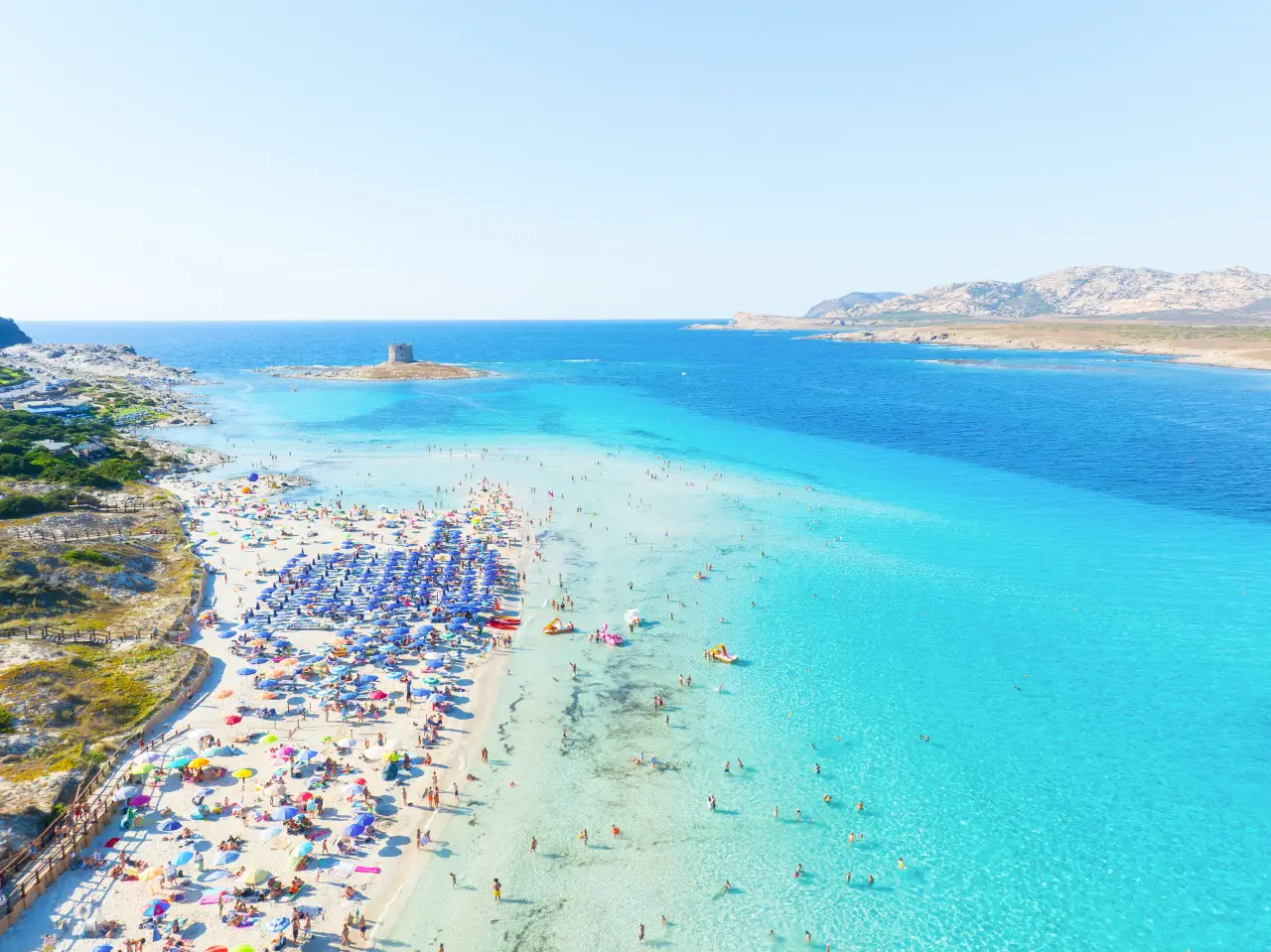
Domestic travel remains strong. Italy is up by about 3% on 2025, with Sardinia, Sicily, Calabria and Puglia among the best performing regions.
Elsewhere in the Mediterranean, the Balearic Islands, Greece and Tunisia remain popular, alongside Cape Verde. Egypt is also holding up despite pressure from perceptions linked to tensions in the Middle East.
Long haul travel is still attracting interest. ASTOI said Japan and China are the most requested destinations this season, followed by East Africa, the Dominican Republic, Mexico and South America.

Cruises are also proving resilient, with demand focused on Italy and Europe. The Mediterranean remains the reference destination, while interest is growing in northern Europe, especially itineraries through the Norwegian fjords and up to North Cape.
Not all regions are performing well. ASTOI said the sharpest slowdown is in the Middle East and Gulf countries, followed by the Indian Ocean and South East Asia, which are down about 7%.
The association linked that fall to fewer bookings on airlines that stop in the Gulf, plus higher costs charged by some carriers. North America is also weaker, which ASTOI said reflects the impact of international politics on travellers perceptions.
Booking patterns are changing too. The average holiday length remains broadly stable at 7 to 10 days, with longer stays for tailor made and long haul trips. But more customers are now booking in the final weeks before departure, rather than well in advance.
Prices continue to matter, but they are not the decisive factor, ASTOI said. Average package costs range from about 900 to 1,200 euros per person for short haul and Italian beach holidays, to 2,500 to 2,700 euros for medium haul trips, and more than 4,000 euros per person for long haul, tailor made and individual tours.
The association said most final prices for customers have risen by no more than about 5%, despite higher costs across the travel supply chain. In many cases, operators have absorbed part of the increase to protect value for money.
All inclusive holidays, resorts and villages, and cruises have benefited from that approach. ASTOI said insurance cover, cancellation protection, the ability to change a booking, price stability at confirmation and help in case of disruption are now seen as essential rather than optional extras.
Ezhaya said the goal is to keep offering reliable products, correct information and the necessary protections so that travel remains accessible, safe and valuable.
The top photo shows La Pelosa Beach, Sardinia. Photo Credit: biletskiyevgeniy.com / Shutterstock.com