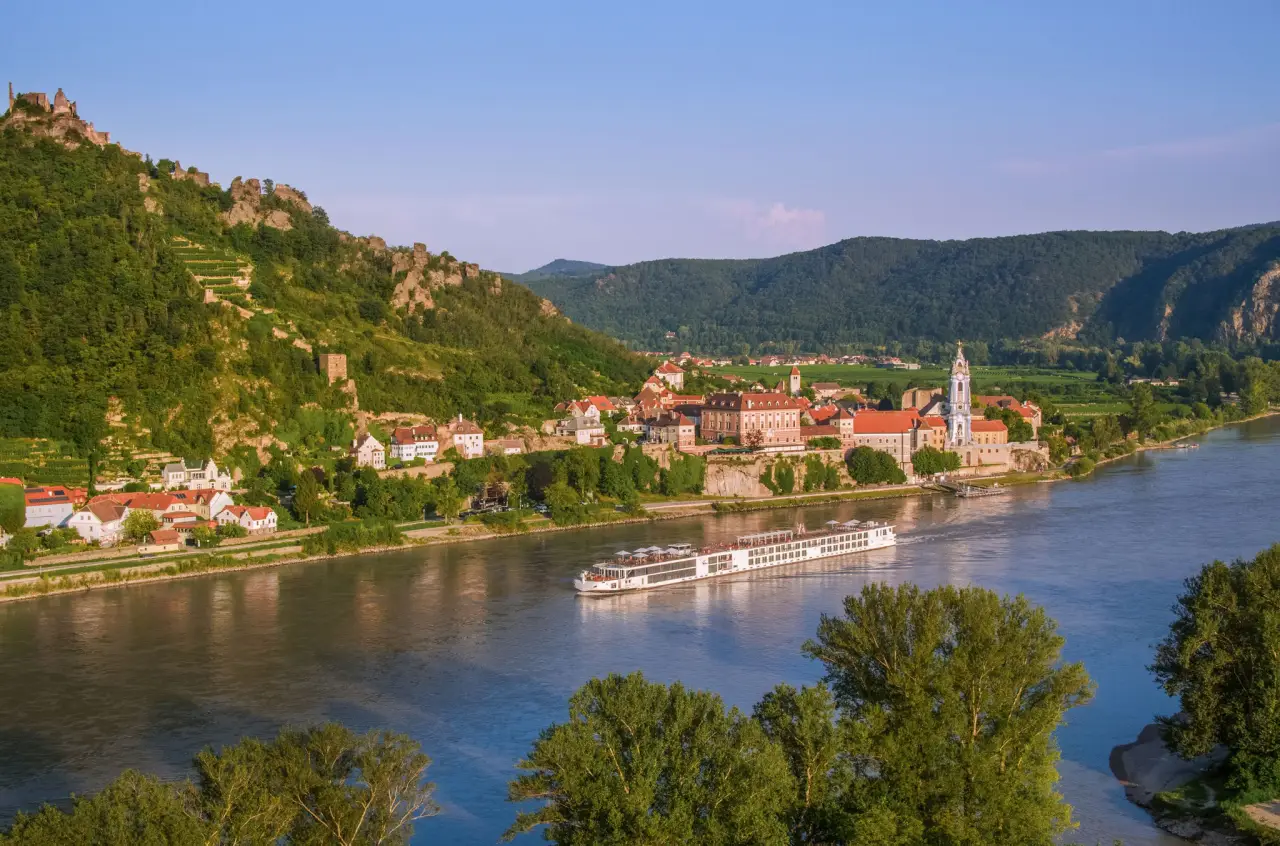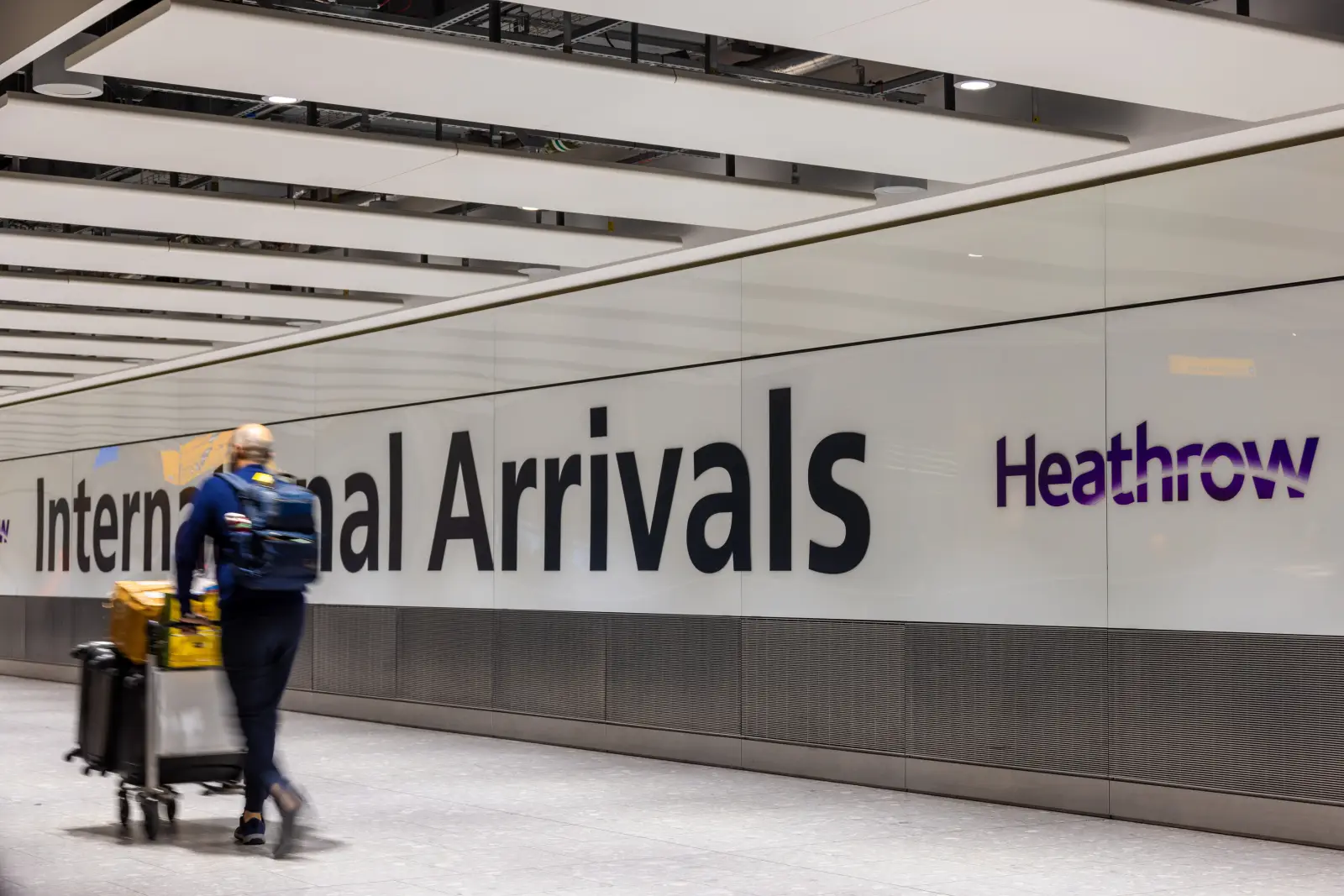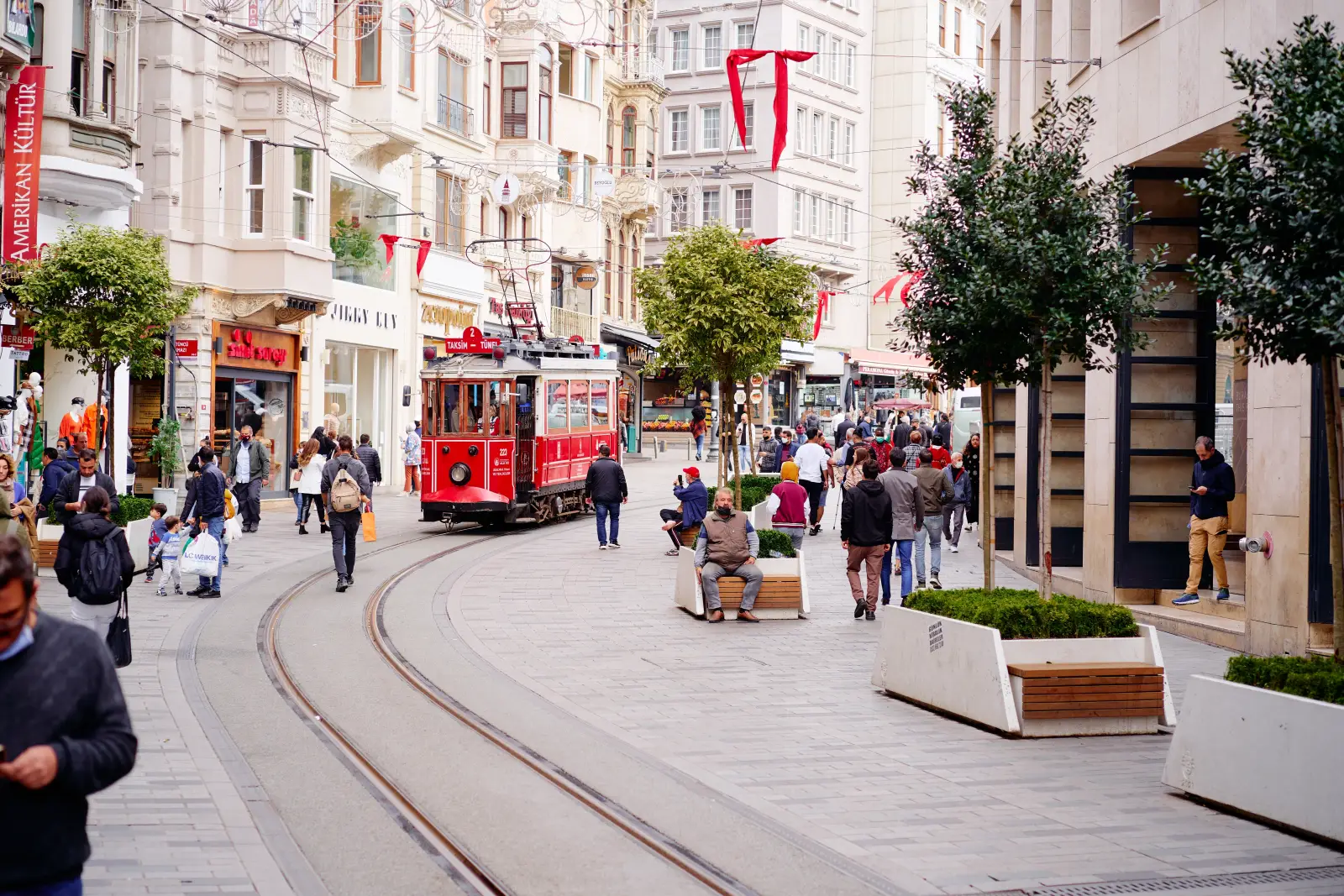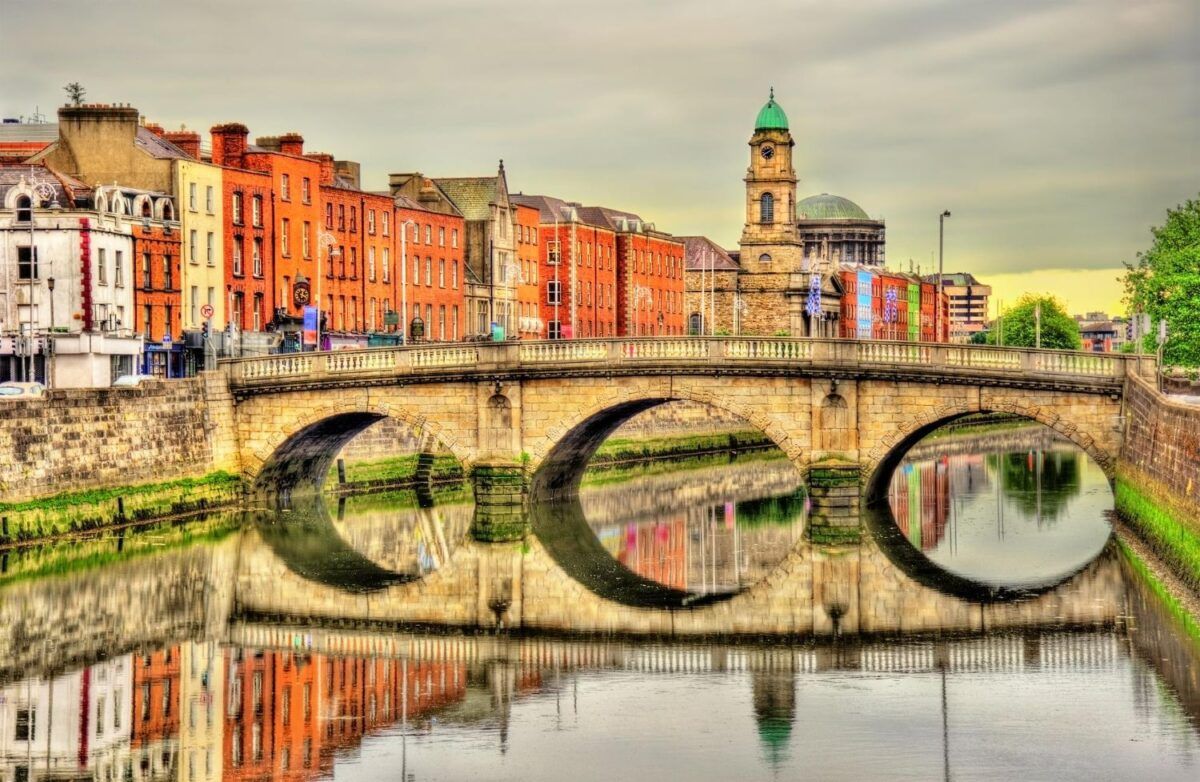
Europe still pulls in millions of travelers every year, but the way people actually explore it has started to shift. Fewer people are sticking to the same well-worn tourist routes — more of them are chasing something real, shorter lines, and an actual feel for local life. The travel trends bear this out too: secondary cities and well-planned weekend trips are becoming the go-to for travelers who’d rather have quality over another crowded landmark.
A bit of smart planning, some seasonal awareness, and decent research go a long way toward finding genuinely great places without giving up convenience. Whether it’s a coastal escape in southern Spain or traveling to Dublin Ireland for a quick city break, understanding where travel patterns are actually heading makes every trip a little easier.
Why People Are Skipping Europe’s Tourist Hotspots
Overtourism has turned into a real problem across Europe. The famous landmarks are still worth seeing, sure, but plenty of travelers have caught on that overcrowded destinations usually mean longer waits, pricier hotels, and a trip that feels more stressful than relaxing.
Rather than sticking to the continent’s biggest-name capitals, more travelers are choosing nearby cities that still deliver:
- Rich cultural heritage
- Public transportation that actually works
- Genuinely good local food
- Historic architecture worth wandering through
- Lower accommodation costs
- Attractions that aren’t packed wall to wall
This shift lets visitors have a more authentic trip, while also spreading tourism dollars out across a wider range of places instead of piling everyone into the same five cities.
Secondary Cities Aren’t “Backups” Anymore
Secondary cities used to be treated as the consolation prize — not anymore. They’re becoming the first choice for a lot of travelers, offering history, culture, decent infrastructure, and welcoming locals, all without the crushing visitor numbers you’d find in Europe’s busiest tourist centers.
Cities that sit outside the usual spotlight tend to bring a few real advantages.
Better Value
Hotels, restaurants, and attractions are often priced a lot more reasonably compared to Europe’s most-visited capitals.
A More Genuine Experience
Smaller crowds mean more room to actually talk to locals, wander into a neighborhood café, or stumble onto a regional tradition instead of just photographing it.
Room to Actually Breathe
Without hours lost standing in line, travelers can pack more into a short trip while still keeping the pace relaxed instead of frantic.
Travelers Are Planning With Data, Not Guesswork
More travelers are basing trips on actual data these days rather than just following whatever’s trending on social media. That means looking at things like:
- Average visitor numbers
- Seasonal demand
- Weather patterns
- How good the public transportation actually is
- Local festivals
- Hotel occupancy rates
That kind of information helps travelers land on dates that hit the sweet spot between good weather and manageable crowds — rather than accidentally showing up during the busiest week of the year.
Planning with solid information also means adjusting an itinerary ahead of time if a major event or holiday period is about to bring a wave of extra visitors.
Weekend Getaways Keep Growing
Short city breaks across Europe remain one of the fastest-growing ways people travel. Cheap, reliable transportation has made it easier than ever to hop between destinations throughout the year instead of saving everything for one big trip.
Weekend travel has its appeal for a few obvious reasons:
- It’s cheaper overall
- It barely eats into vacation days
- It’s easy to plan on short notice
- It lets people see several cities a year instead of just one
Instead of pouring an entire holiday into a single destination, a lot of travelers now spread things out — a few shorter trips across different seasons rather than one long one.
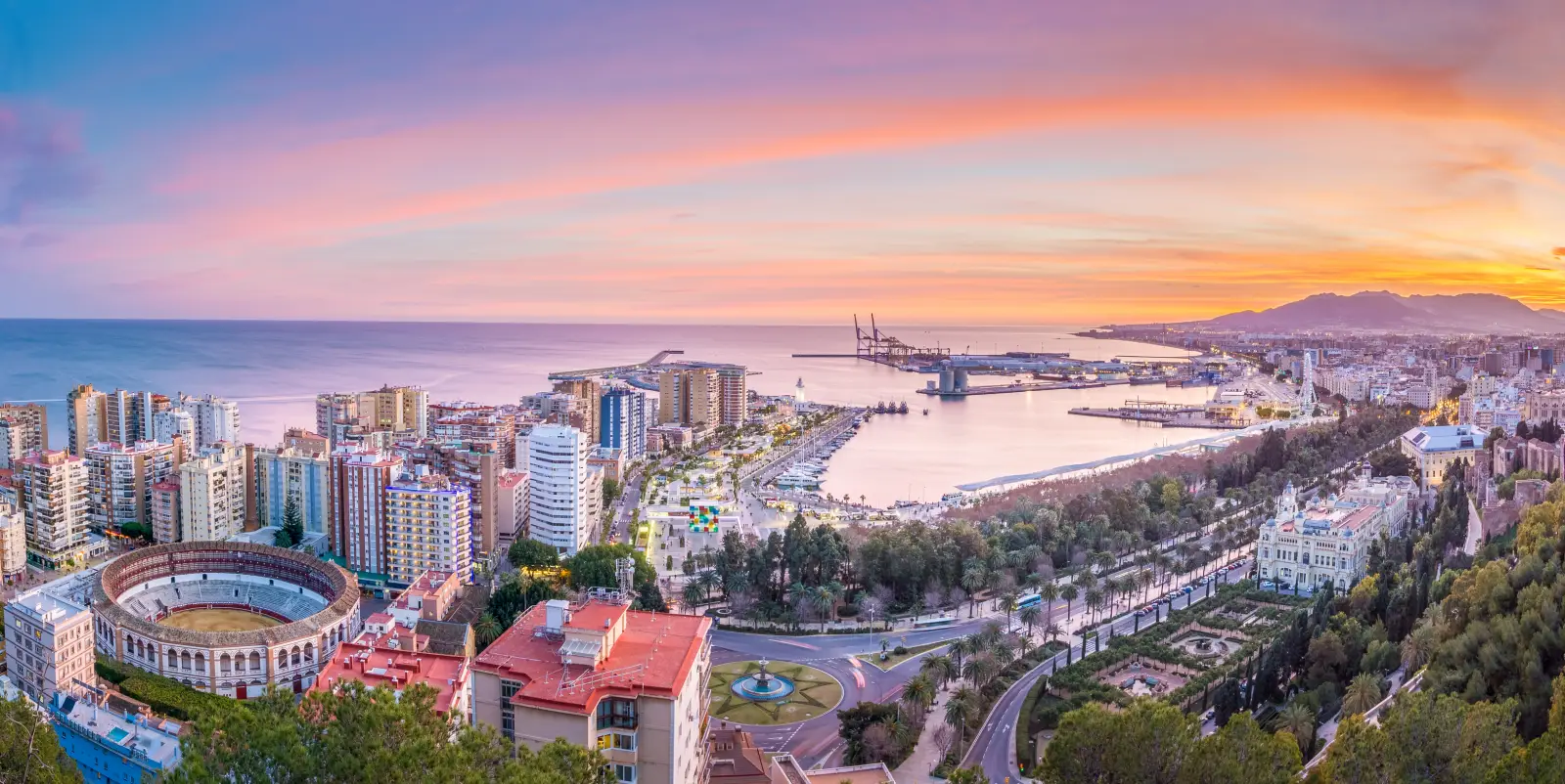
Coastal Cities Are Getting a Second Look
Famous beach resorts still pull heavy traffic, but plenty of coastal cities offer something different — a real mix of urban culture and seaside relaxation, without the crowds of a resort town.
Southern Spain is a good example of this. Historic districts, Mediterranean food, museums, beaches, and transportation that actually gets you around — it’s all there. Travelers looking into a Malaga city guide often find that a bit of upfront planning lets them enjoy both the city’s cultural side and the nearby coast, all while dodging peak visitor hours.
Wandering local neighborhoods early in the morning, or on weekdays instead of weekends, tends to make a noticeable difference in how the whole trip feels.
Timing Really Does Change Everything
Picking the right season can completely reshape a European trip.
Spring Mild weather, parks in full bloom, and noticeably fewer crowds in a lot of destinations.
Early Autumn September and October are a favorite window for a lot of travelers — the weather’s still good, but tourist numbers have dropped off from summer’s peak.
Weekdays Over Weekends Popular attractions tend to quiet down noticeably on weekdays, especially outside school holidays.
Avoiding Crowds Is Good for Everyone, Not Just Travelers
It’s not only convenient for travellers to avoid crowded destinations, but it also helps contribute to overall more sustainable tourism.
If tourists go to a wider range of cities, tourism income is more evenly dispersed rather than concentrated in the same few hotspots. This takes some of the pressure off of over-visited landmarks and generates real economic opportunity for smaller communities that don’t normally see a lot of tourist traffic.
Traveling responsibly also comes down to things like:
- Respecting local customs
- Choosing independent businesses over big chains
- Using public transportation instead of driving everywhere
- Cutting down on unnecessary waste
- Actually visiting the lesser-known spots, not just the postcard ones
None of it is dramatic, but little choices like these add up to places that are still worth visiting a lot longer.
Technology Has Enabled Better Planning
Digital maps, ride apps, and real-time travel information have really transformed the way we plan trips. Travelers can check transit schedules, estimate wait times at attractions and scope out quieter neighborhoods before even landing.
A lot of planning tools now throw in extras too, like:
- Walking route suggestions
- Weather updates
- Public transit info
- Museum hours
- Local event calendars
Having accurate information on hand helps travelers get more out of limited time, without the usual stress of figuring things out on the fly.
Balancing the Icons With the Hidden Gems
Seeing the famous landmarks is still part of most European trips, and that’s fine — but experienced travelers usually pair those big sights with something quieter nearby.
A pretty solid day might look something like:
- One major landmark first thing in the morning
- Local markets around midday
- Wandering a historic neighborhood in the afternoon
- Regional food in the evening
- A park or waterfront walk, away from the busiest tourist streets
Mixing it up this way tends to make the trip feel a lot richer, and it naturally avoids the worst crowds at the big attractions.
Travel across Europe keeps evolving as more people become intentional about how they plan — chasing meaningful experiences and a comfortable pace instead of racing through the same famous checklist everyone else follows. Secondary cities, well-timed weekend trips, and planning built on real data are quietly shaping how a whole new generation travels the continent. Pick the right season, do a bit of homework on local conditions, and wander a little further off the usual path, and the payoff is a richer trip — one that also helps keep European tourism a little more balanced and sustainable for whoever comes next.