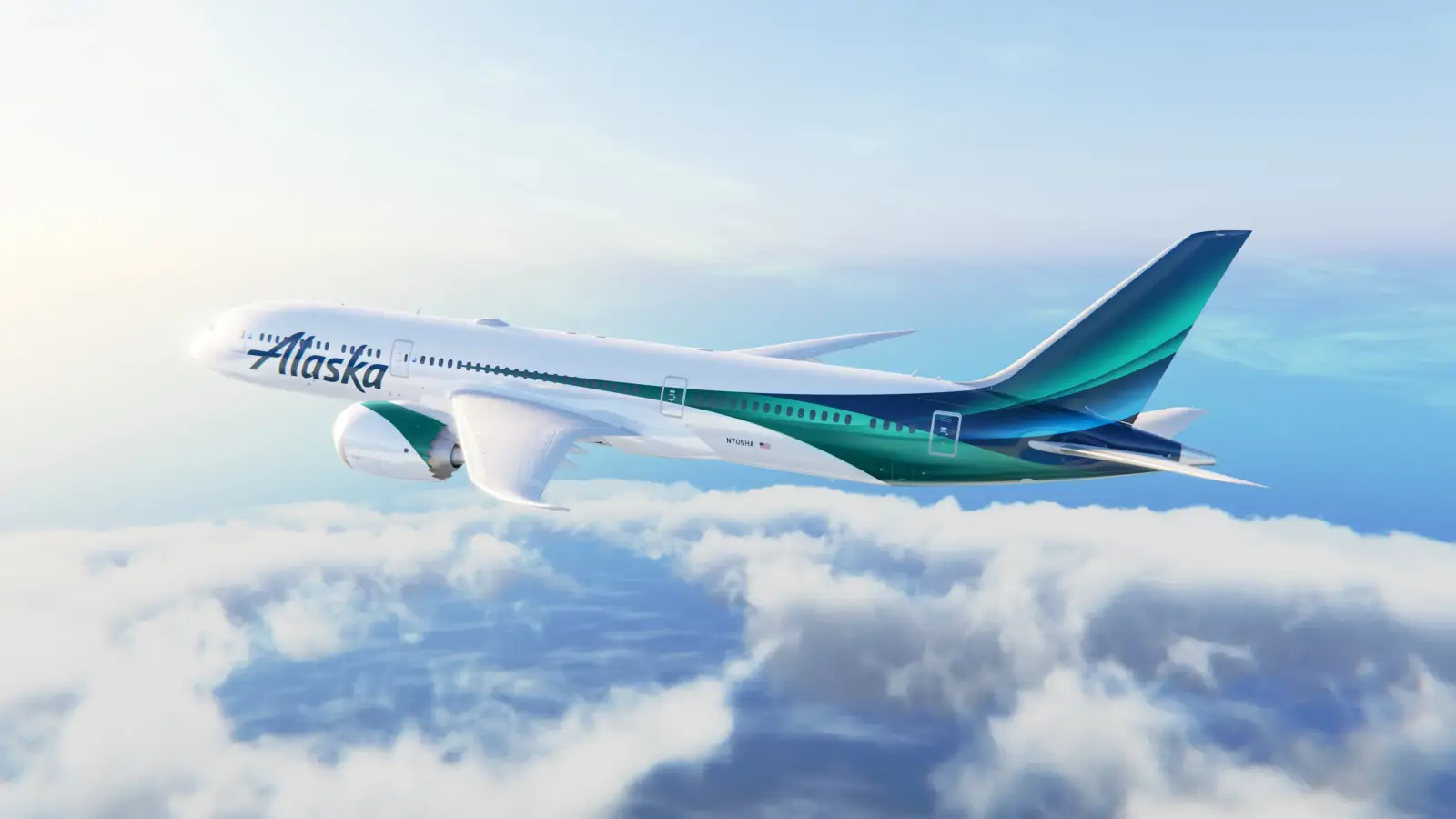
Alaska Airlines flight AS181, a Boeing 787-9 Dreamliner flying from Rome to Seattle, declared an emergency over the Atlantic Ocean on July 19, 2026, after reversing course roughly two hours into the flight and returning to Italy due to reported engine vibration. The aircraft, registered N780HA, landed back at Rome Fiumicino Airport after five hours and 30 minutes in the air, with no injuries reported.
The flight had departed Fiumicino at 15:45 CEST bound for Seattle-Tacoma International Airport and reached a cruising altitude of 34,000 feet over French airspace before the crew initiated the turnaround. The incident occurred on one of Alaska Airlines‘ newest long-haul routes, part of the carrier’s broader push into transatlantic widebody service using its 787-9 fleet.
Flight Path and Emergency Response
Flight tracking data showed the widebody jet executing a sharp U-turn over southeastern United Kingdom before beginning a rapid descent to 25,000 feet while tracking back over western France. While over the Atlantic, the flight crew broadcast a general emergency by setting the aircraft’s transponder to squawk code 7700, a signal used to alert air traffic control to urgent situations.
After the course reversal, the aircraft carried out maneuvers over France consistent with a fuel-dumping procedure. Long-haul aircraft such as the 787-9 often need to discharge fuel over open water or unpopulated areas to reduce weight below the maximum structural landing weight before an unscheduled landing. An update at 19:39 CEST confirmed the flight was diverting back to Rome due to engine vibration, rather than continuing to an alternate European hub as initially speculated.
The aircraft landed on runway 16R at Fiumicino at 21:15 CEST and was subsequently parked on a remote stand. Alaska Airlines scheduled a new departure from Rome for 23:00 CEST the same evening to continue the journey to Seattle.
Alaska Airlines’ Expanding Dreamliner Operations
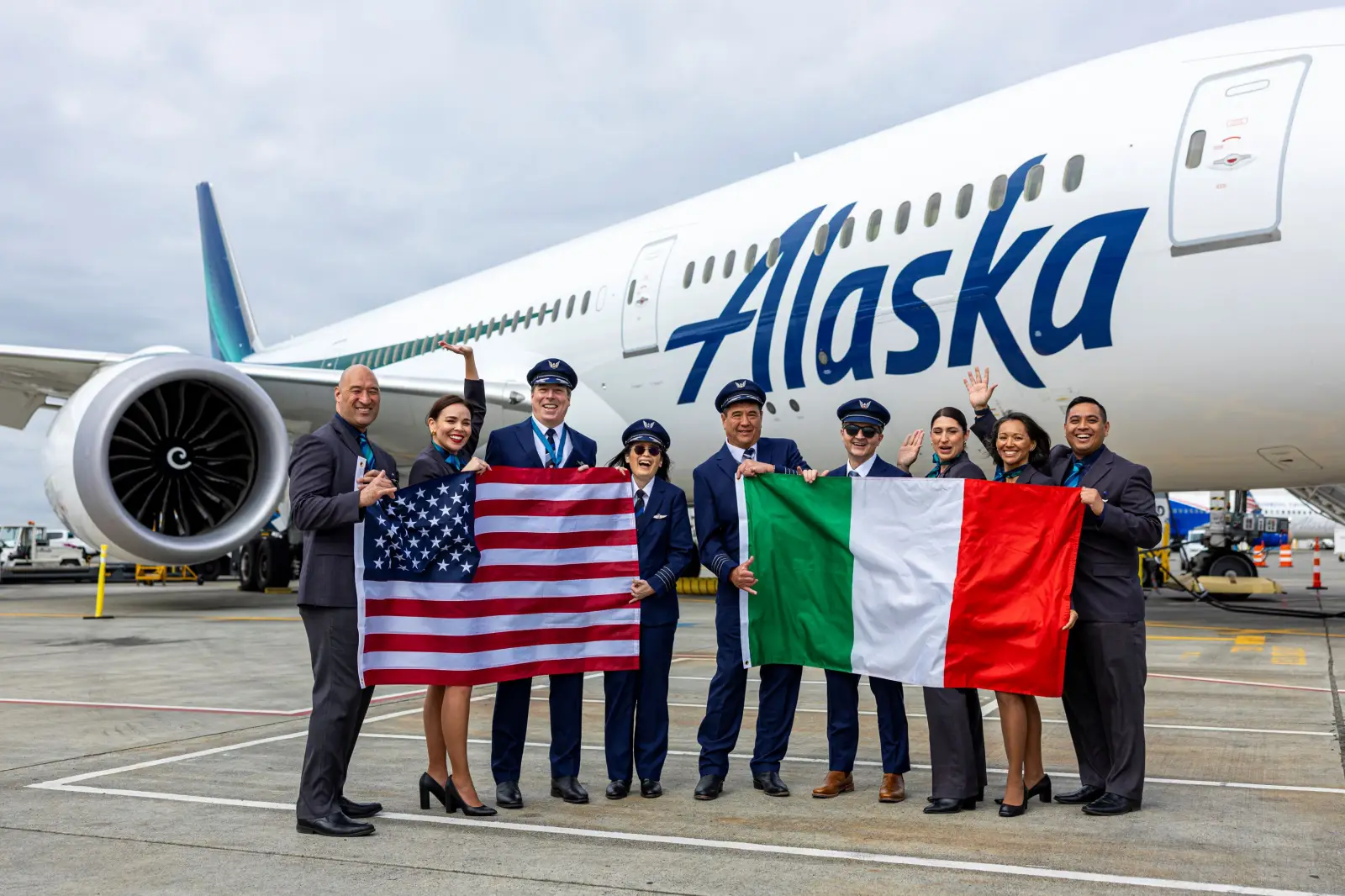
Alaska Airlines launched Rome as its first Alaska-branded 787-9 route in April 2026, marking the carrier’s first widebody service under its own brand after decades of operating narrowbody aircraft exclusively. The airline currently operates five 787-9 aircraft, with seven more on order, working toward a planned fleet of 12 787-9s.
Alaska Airlines also holds orders for five 787-10 aircraft, which would bring its total Dreamliner fleet to 17 aircraft. The 787-9 fleet is deployed primarily from Seattle, serving international routes to London, Seoul and Rome, alongside a domestic route between Seattle and Honolulu.
The exact technical cause of the engine vibration has not been officially detailed by Alaska Airlines. The airline has not released a formal statement on the incident at the time of publication.