Boeing expects global passenger air travel to double by 2045 despite short term geopolitical and industry disruptions, with airlines and cargo operators requiring 43,625 new commercial aircraft over the next 20 years. The forecast, released ahead of the Farnborough International Airshow, predicts the global commercial fleet will grow nearly 80% to more than 50,000 aircraft.
The aerospace manufacturer said airlines continue to see resilient travel demand, with passengers adjusting destinations and routes rather than cancelling trips during periods of disruption. The long term outlook is driven by growing tourism, expanding global trade, rising incomes and stronger demand for international connectivity.
The projections are contained in Boeing’s 2026 Commercial Market Outlook, an annual forecast that examines long term trends across the aviation industry. The company said almost half of the expected aircraft deliveries will replace older generation jets with more fuel efficient models, helping airlines reduce operating costs while supporting sustainability goals.
Brad McMullen, senior vice president of Commercial Sales and Marketing at Boeing, said airlines have continued adapting successfully to current challenges.
“Airlines are adapting quickly to manage near-term industry constraints while demand for air travel remains resilient,” said Brad McMullen, senior vice president of Commercial Sales and Marketing at Boeing. “That demand is driving the need to grow and modernize the global fleet, underscoring the importance of new, fuel-efficient airplanes that will play an increasingly vital role in connecting people and economies around the world.”
Boeing forecasts passenger traffic will increase by around 4% annually between 2026 and 2045, resulting in a doubling of global air travel. Although long haul travel has experienced short term impacts in some regions, including the Middle East, the company said travellers are generally changing destinations and flight routings instead of abandoning travel plans.
Short haul leisure travel and point to point services continue to lead growth, while airlines are expanding networks to offer passengers more direct flights. Since 2015, airlines have introduced nearly 5,500 new airport pairs, increasing global route networks by almost 30% and reducing the need for connecting itineraries.
The report also highlights how airlines are increasingly tailoring their products to different market segments. Premium cabins continue to expand, particularly in North America and Northeast Asia, supported by higher incomes and changing consumer preferences. At the same time, low cost airlines are growing rapidly across emerging markets including Latin America, Eastern Europe and Southeast Asia, making air travel more affordable for millions of passengers.
According to Boeing, efficiency gains from modern aircraft are becoming increasingly important. Without the productivity improvements delivered by new generation aircraft, airlines would require around 9,000 additional airplanes to carry the same number of passengers.
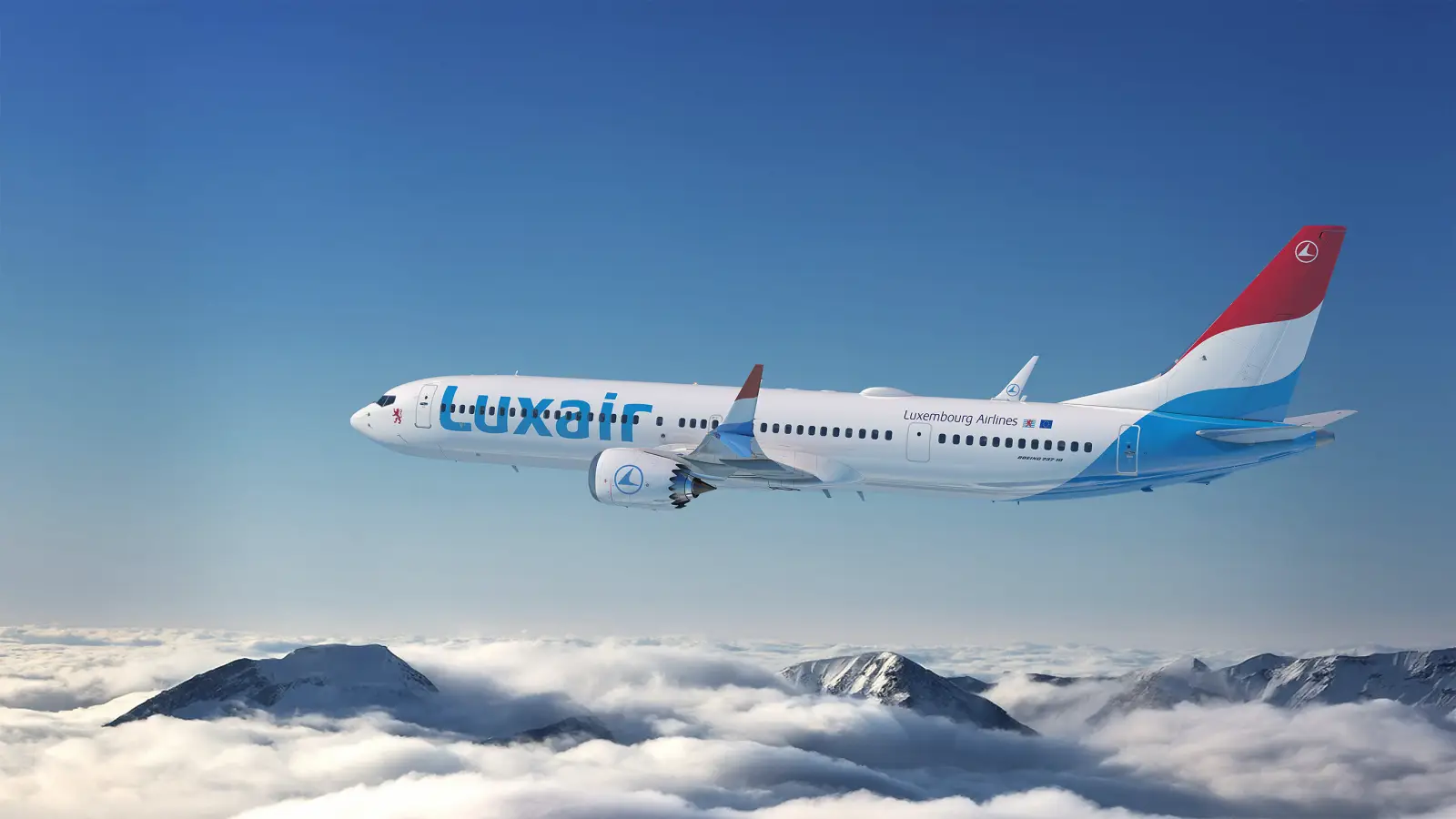
The manufacturer expects single aisle aircraft to remain the largest market segment, with demand for 33,545 new jets through 2045. These aircraft will continue serving short and medium haul routes and are expected to form a global fleet of more than 36,000 aircraft by the end of the forecast period.
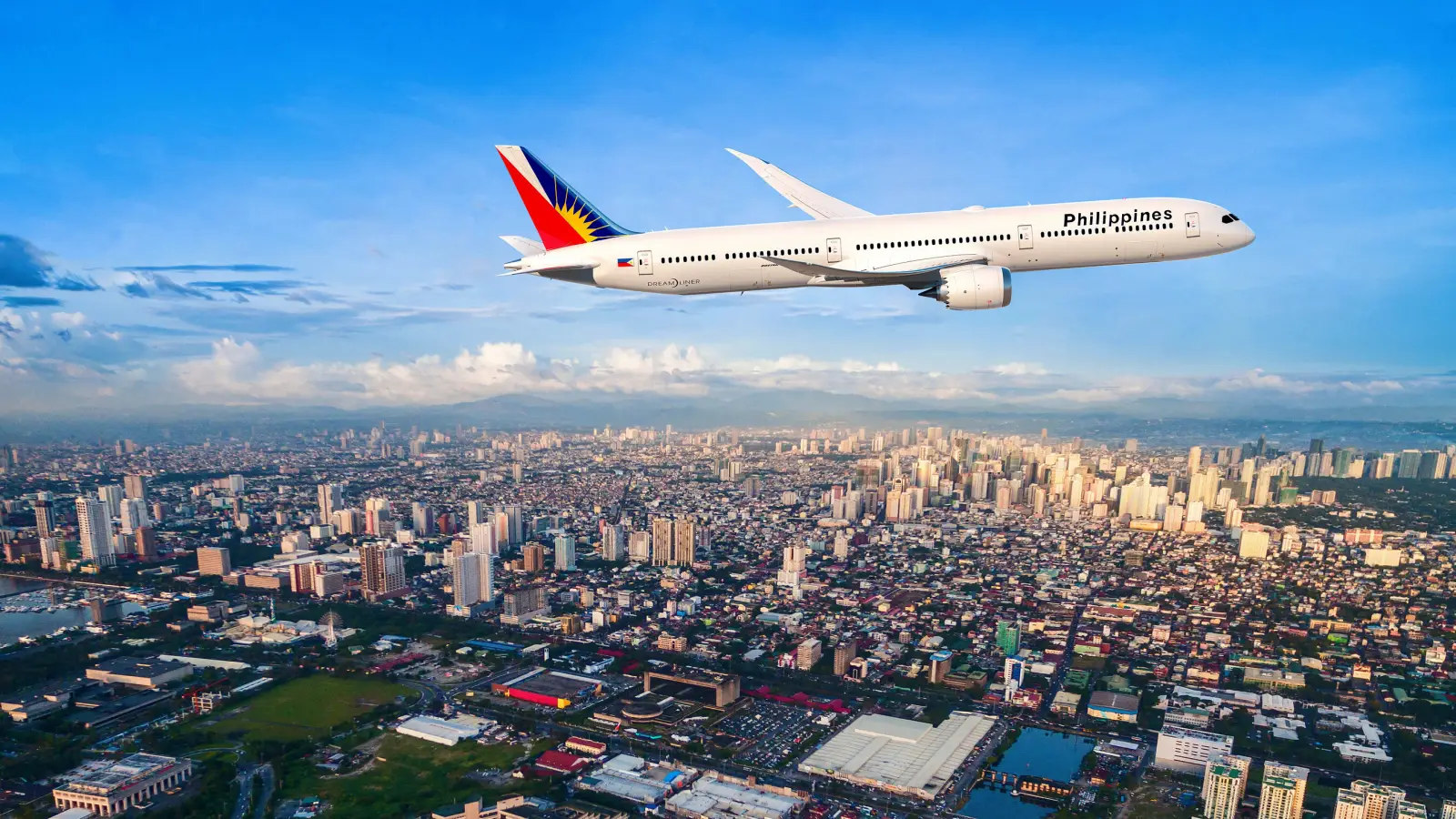
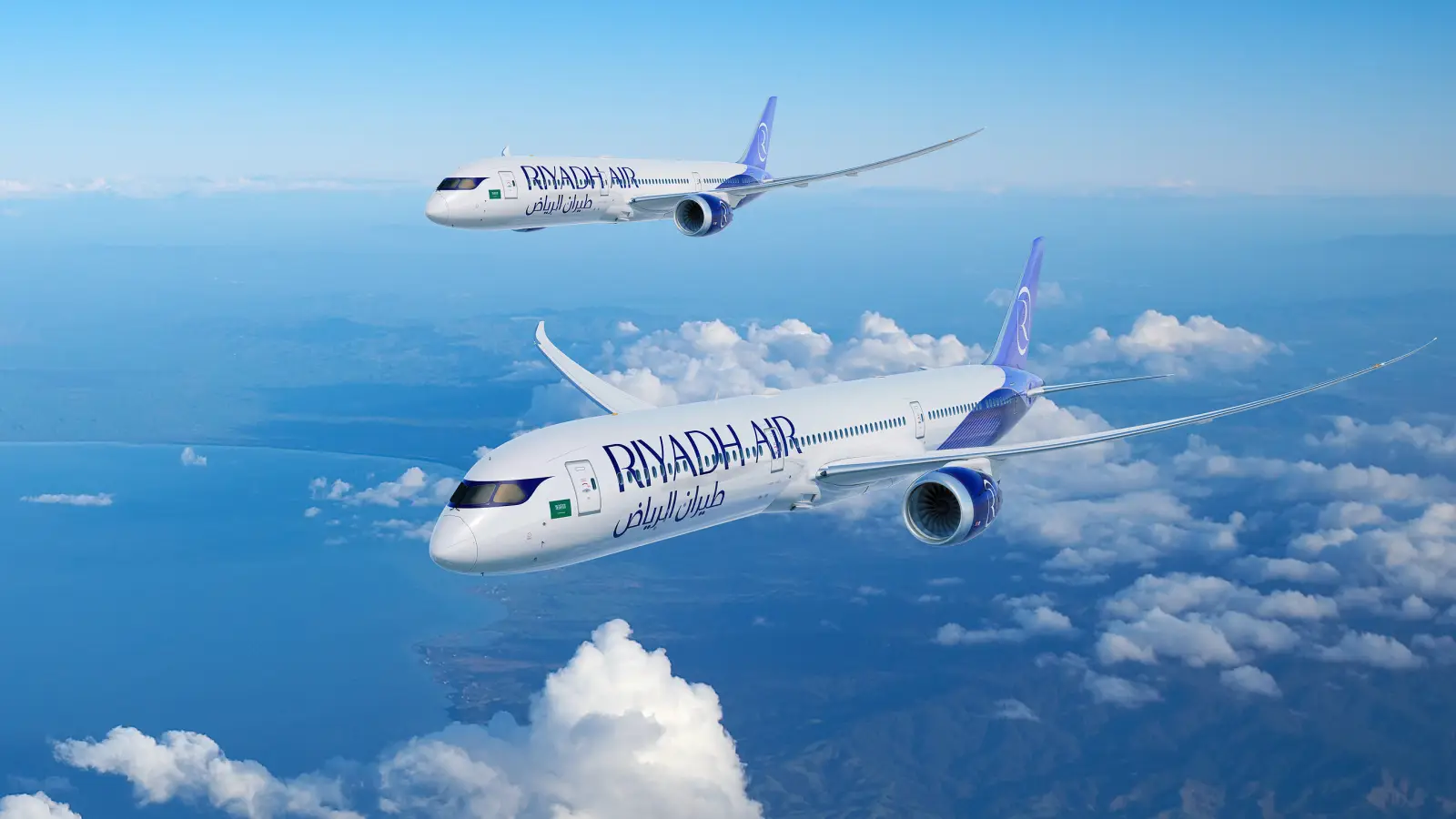
Widebody aircraft will also remain central to international aviation, with demand projected for 7,715 new passenger widebody aircraft. More than 8,000 widebody aircraft are expected to be operating worldwide by 2045, supporting long haul passenger services and providing valuable cargo capacity.
Growth is expected across both mature and emerging aviation markets. Mature regions, including North America, Eurasia, Oceania and Northeast Asia, are forecast to account for approximately 45% of new aircraft deliveries. The remaining 55% will come from emerging and transitioning markets such as China, the Middle East, Latin America, South and Southeast Asia, and Africa.
Air cargo is also forecast to remain a major driver of aviation growth. Despite geopolitical disruptions affecting global supply chains, international freighter capacity has increased 5% during 2026 as operators adjusted routes and cargo flows. Looking ahead, Boeing expects global air cargo traffic to grow by approximately 3.7% annually through 2045, supported by cross border e commerce, demand for time sensitive shipments and continued investment in supply chain resilience.
The report estimates airlines will require 930 new production and converted freighters during the forecast period, while total demand for freighters will exceed 2,900 aircraft as older fleets are replaced with more efficient models.
Boeing has published its Commercial Market Outlook since 1961, making it one of the aviation industry’s longest running forecasts. The company said its latest outlook reflects continued confidence in the long term fundamentals supporting global aviation, even as airlines continue navigating short term economic and geopolitical uncertainty.