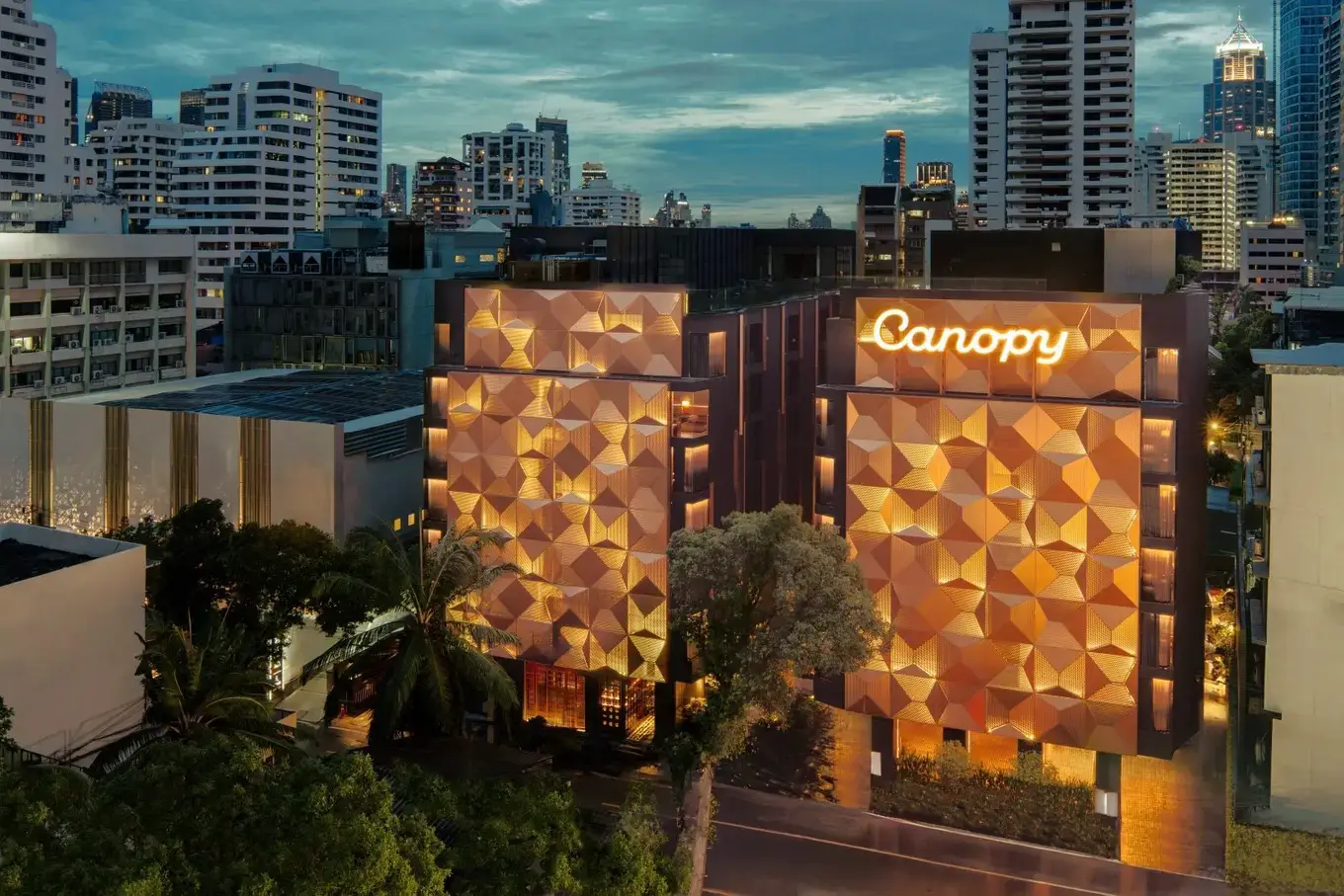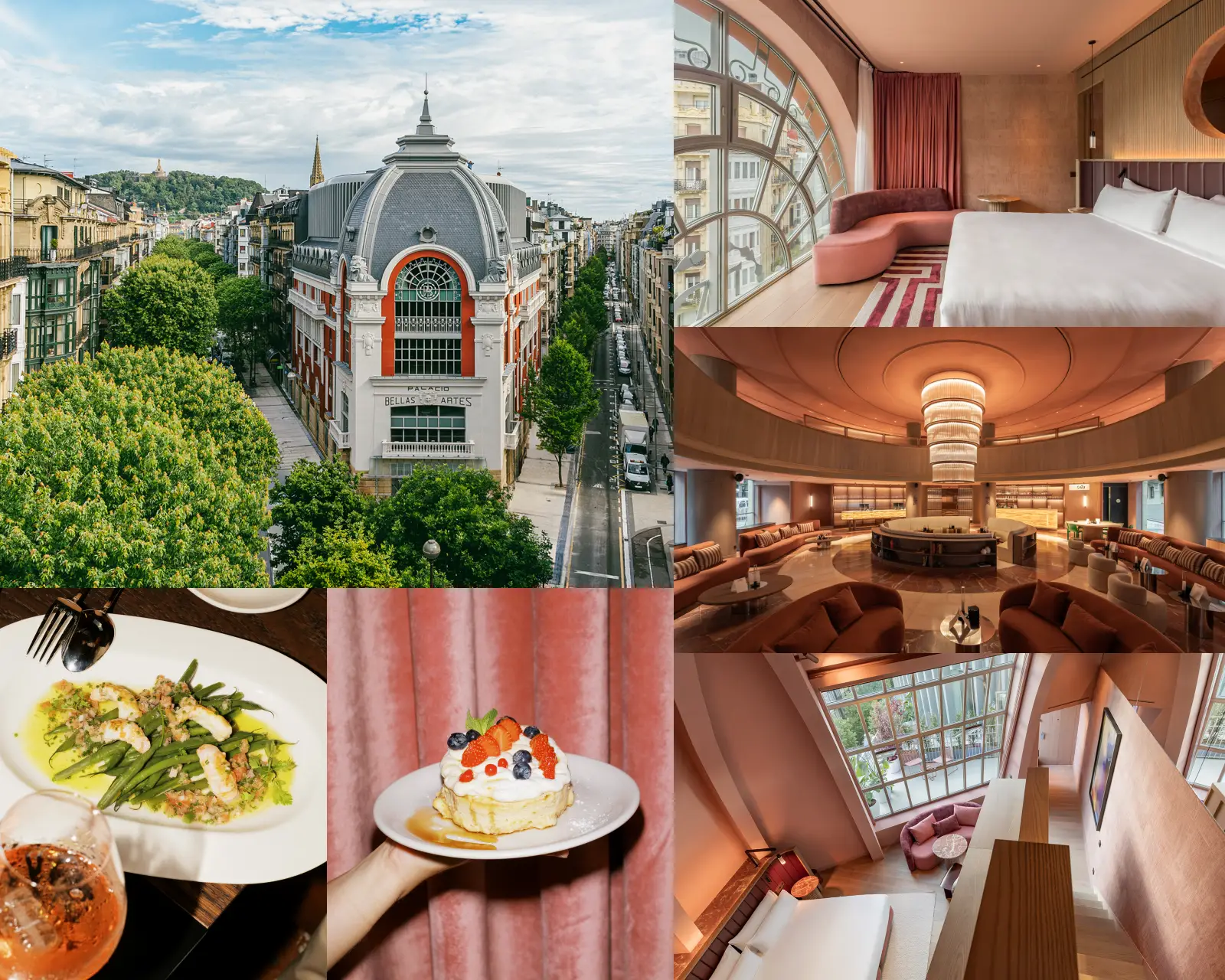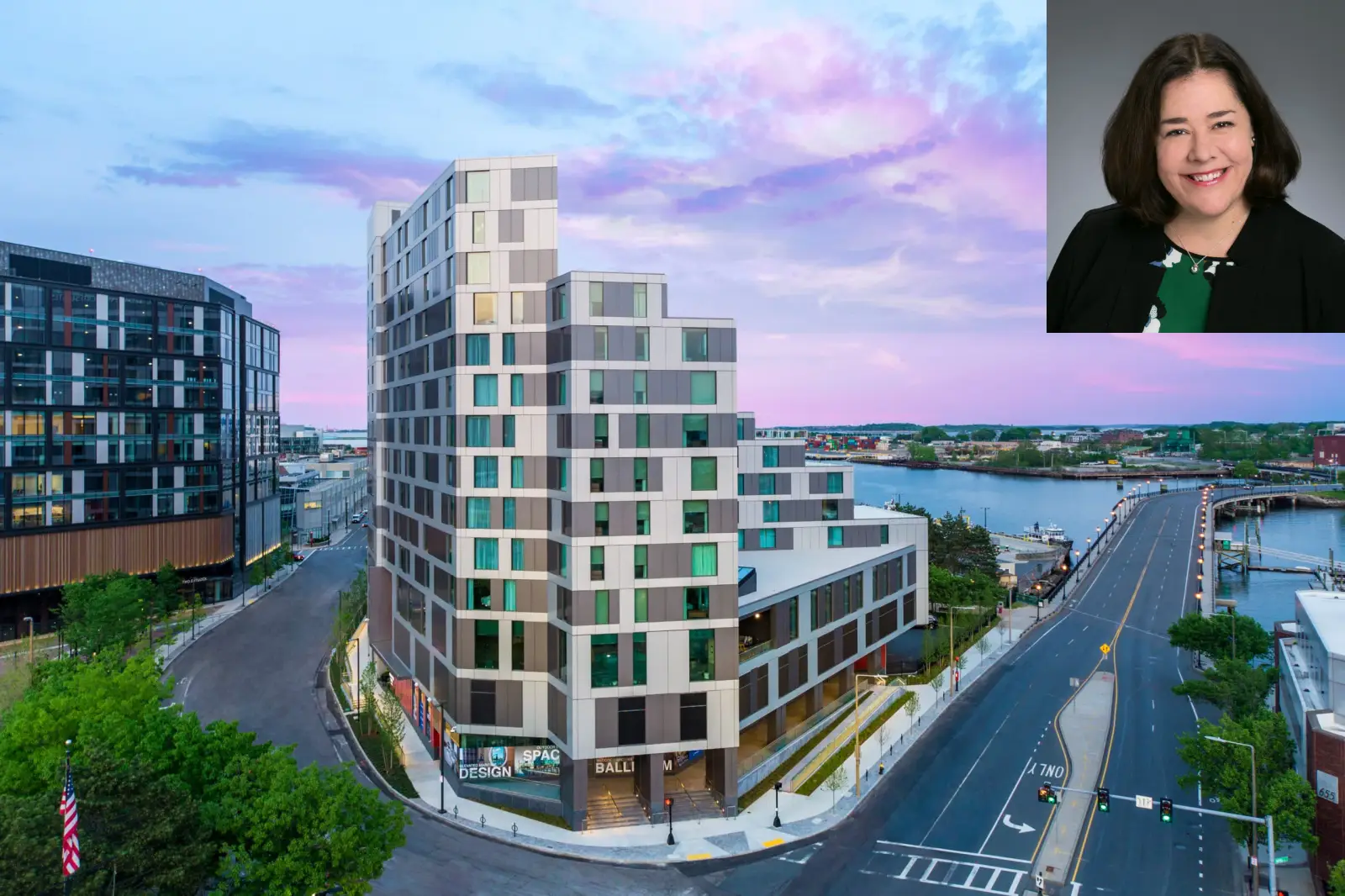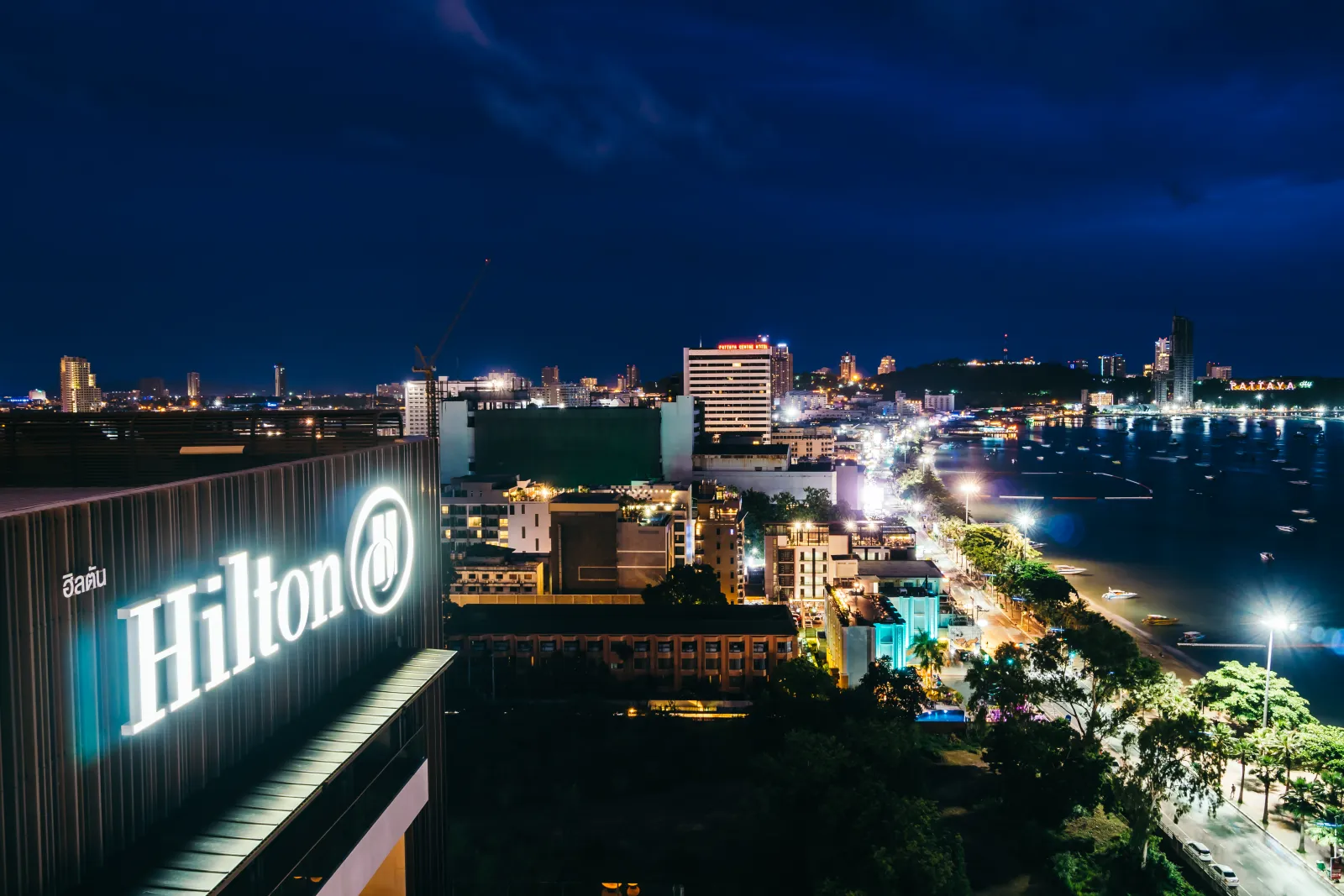
Hilton is named as the most valuable hotel brand in 2025, marking a decade at the top as the global hospitality giant cements its reputation for premium experiences and strategic growth.
For the tenth consecutive year, Hilton holds the crown as the world’s most valuable hotel brand, reflecting a period of remarkable expansion and brand development. With a brand value increase of 30% to USD15.1 billion, Hilton’s dominance highlights the broader recovery and evolution of the global travel industry.
Brand Finance, the leading brand valuation consultancy, released its latest rankings in July 2025, offering a detailed look at the competitive landscape of international hotel brands. The report underscores how Hilton’s expansion across luxury and lifestyle segments is paying dividends, helping the brand capture new markets and elevate its image among discerning travelers. The group now boasts more than 8,600 properties in 139 countries and territories, with nearly half of last year’s additions in the luxury and lifestyle categories.
This surge in high-end offerings demonstrates Hilton’s response to the growing demand for experience-led travel, where guests seek not only accommodation but memorable and personalized stays. From stylish urban lifestyle hotels to serene luxury resorts, the company is positioning itself to serve an increasingly diverse and sophisticated traveler base. This approach has resonated globally, with significant growth in Asia, the Middle East, and other emerging markets driving much of Hilton’s success.
Hyatt and Marriott Compete for Top Spots
While Hilton celebrates its ten-year reign, its rivals are also making significant strides. Hyatt secured the second position with a brand value jump of 32% to USD8 billion. This growth is fueled by impressive net rooms additions, an expanding development pipeline, and major new openings across Asia and South America. Hyatt’s strategy of investing in a mix of premium lifestyle and resort properties aligns with shifting traveler expectations, especially among younger, experience-focused demographics.
Marriott climbed to third place this year, overtaking Hilton-owned Hampton Inn. Marriott’s brand value rose 20% to USD3.8 billion, a testament to a year of record signings, enhanced loyalty program offerings, and technology-driven service upgrades. The brand’s global appeal is bolstered by its vast portfolio spanning luxury icons like The Ritz-Carlton and W Hotels, as well as popular midscale and select-service options.
Hampton Inn, by contrast, saw its brand value drop 25% to USD3.1 billion, reflecting a challenging year for the segment and possibly a shift in consumer preferences toward more experience-oriented or premium-tier options. These competitive dynamics illustrate a broader reshuffling of priorities in the hotel sector, where differentiation and guest experience are increasingly critical.
Industry Trends Driving Brand Value
According to Henry Farr, Director at Brand Finance, the hotel industry is experiencing a robust recovery as leisure and experience-led travel lead the charge. “The global hotel sector is firmly back in growth mode, with the total brand value of the top 50 hotel brands rising 4% this year to USD58.8 billion,” he noted in the report. Key performance indicators such as occupancy rates and RevPAR (Revenue Per Available Room) are on the rise, reflecting pent-up travel demand and improved consumer confidence.
One of the standout regional stories is the resurgence of Asia-Pacific markets, particularly China’s outbound travel. After years of pandemic-related restrictions, Chinese travelers are returning to international destinations in large numbers, providing a critical boost to hotel occupancy and revenue. Major hotel groups have been quick to capitalize, expanding their presence in Chinese cities and popular outbound destinations throughout Asia and beyond.
Experience-led travel continues to define the industry’s future, as travelers increasingly prioritize unique, authentic, and personalized stays over generic accommodations. Hotel brands that invest in design, local partnerships, wellness, and technology-enhanced convenience are capturing this growing demand. This shift is particularly visible in the rapid growth of lifestyle hotel segments, where flexible, social, and design-forward properties appeal to both leisure and business travelers.
Brand Strength Beyond Value: Taj Leads the Pack
While Hilton, Hyatt, and Marriott top the list in terms of sheer brand value, the Brand Finance report also highlights brand strength—a separate measure of consumer perception, loyalty, and reputation. India’s Taj Hotels emerged as the world’s strongest hotel brand, earning a Brand Strength Index (BSI) score of 92.2 out of 100. This result is driven by perfect scores in customer knowledge and selection in its home market, underscoring its deep cultural resonance and service excellence.
Scandic Hotels (BSI 91.3) and Marriott (BSI 90.0) rank second and third respectively in brand strength. Scandic’s rise reflects strong regional loyalty in Scandinavia and Northern Europe, while Marriott’s broad-based recognition and loyalty program enhancements help sustain its global reputation. The UK’s Premier Inn made one of the biggest leaps in the brand strength rankings, jumping from 22nd to fifth, thanks to increased brand awareness and perceived value in its domestic market.
This focus on brand strength is vital for understanding the competitive landscape. While raw brand value measures financial power and market share, brand strength captures the more intangible, long-term assets that drive customer choice, loyalty, and pricing power. For hotel groups, balancing these two aspects is essential for sustainable growth in a highly competitive market.
Leisure & Tourism Sector Growth and Future Outlook
The Brand Finance report also provides a broader perspective on the Leisure & Tourism sector. The total brand value of the world’s top 25 most valuable brands in this space grew 22% to USD71.9 billion over the past year, signaling robust industry-wide recovery. Cruise lines recorded the fastest comeback, with brand value rising 57% year-on-year, reflecting pent-up demand and new vessel launches.
Royal Caribbean International led this resurgence with the high-profile introduction of its Oasis and Icon Class ships, offering innovative amenities and record passenger capacities. Such bold investments in new experiences underscore the sector’s willingness to reinvent itself for post-pandemic travelers hungry for adventure and novelty. At the same time, online travel agencies and booking platforms continue to play an essential role in driving travel demand and consumer choice.
Booking.com retained its position as the most valuable Leisure & Tourism brand globally, with a valuation of USD10.5 billion. Its success underscores the critical importance of digital convenience, price transparency, and global reach. As travelers increasingly rely on online tools to plan, customize, and manage their journeys, brands that can deliver seamless, user-friendly experiences are likely to maintain an edge.
For Hilton and its competitors, this evolving landscape offers both challenges and opportunities. Meeting the rising demand for luxury and lifestyle experiences, ensuring brand consistency across diverse markets, and investing in sustainability and technology will define the next decade of competition. As the travel industry continues its robust recovery, travelers can expect an even greater focus on personalization, design, and memorable experiences at every touchpoint.
Hilton’s achievement in being named the world’s most valuable hotel brand for the tenth consecutive year is more than just a corporate milestone—it’s a reflection of a travel industry in transformation. With a clear strategy focused on premium experiences, global expansion, and brand excellence, Hilton is well-positioned to lead the way as travelers seek richer, more meaningful journeys around the world.
Photo Credit: Lifestyle Travel Photo / Shutterstock.com