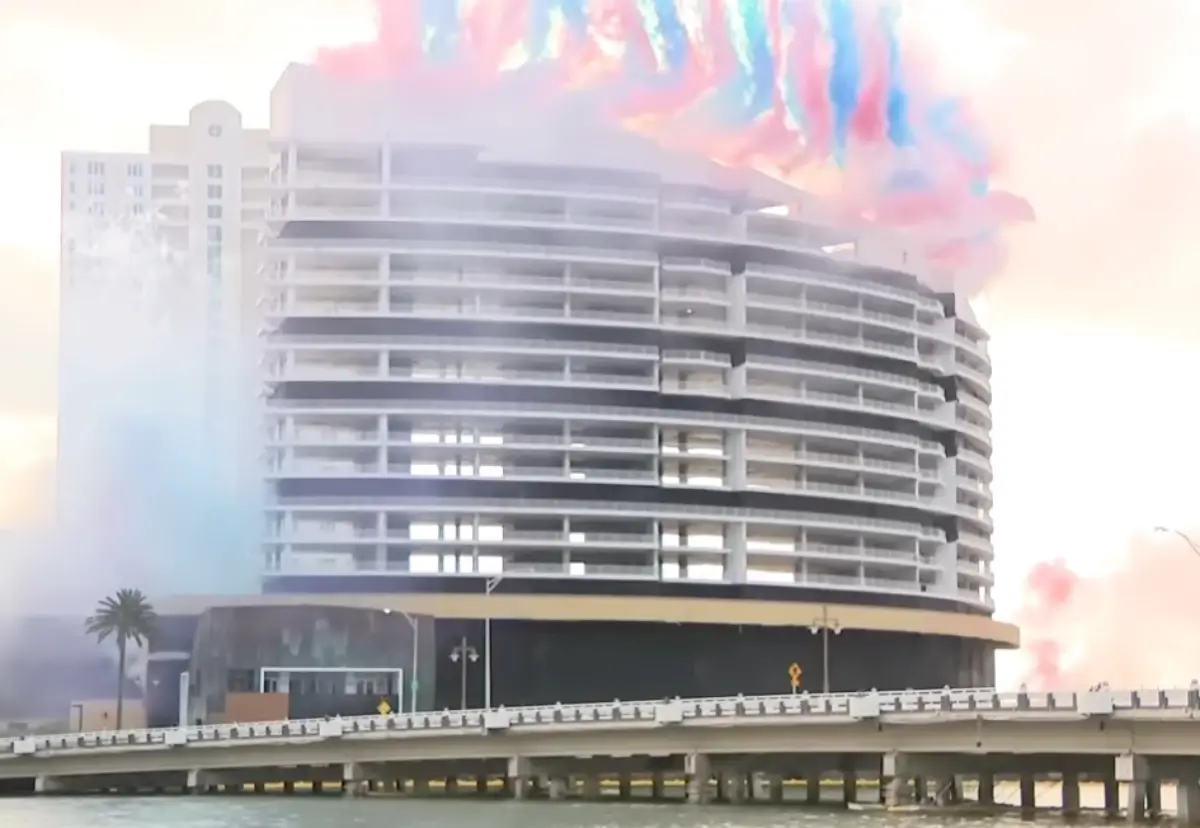
The Mandarin Oriental Miami has been demolished in a controlled implosion on 12 April 2026, clearing the site for a major redevelopment project on Brickell Key.
The 23-storey luxury hotel, which operated for around 25 years, was brought down in under 20 seconds as part of plans to build a new Mandarin Oriental hotel and high-end residences. The redevelopment is expected to exceed $1bn and is scheduled for completion around 2030.
The demolition follows the hotel’s closure in May 2025 as owners prepared the site for redevelopment. The project will replace the former property with a new flagship Mandarin Oriental hotel alongside residential towers, reflecting continued investment in Miami’s luxury hospitality and real estate sectors.
Luxury landmark removed to make way for new development
The former Mandarin Oriental Miami was located on Brickell Key and had been a prominent part of the city’s waterfront skyline since opening in 2000. Its demolition marks one of the largest building implosions in Miami in more than a decade.
The implosion was carried out as a controlled operation, with the structure collapsing rapidly and safely within seconds. The removal of the building allows construction to begin on a new mixed-use development that will combine hospitality and residential components under the Mandarin Oriental brand.
New project to reshape Brickell Key
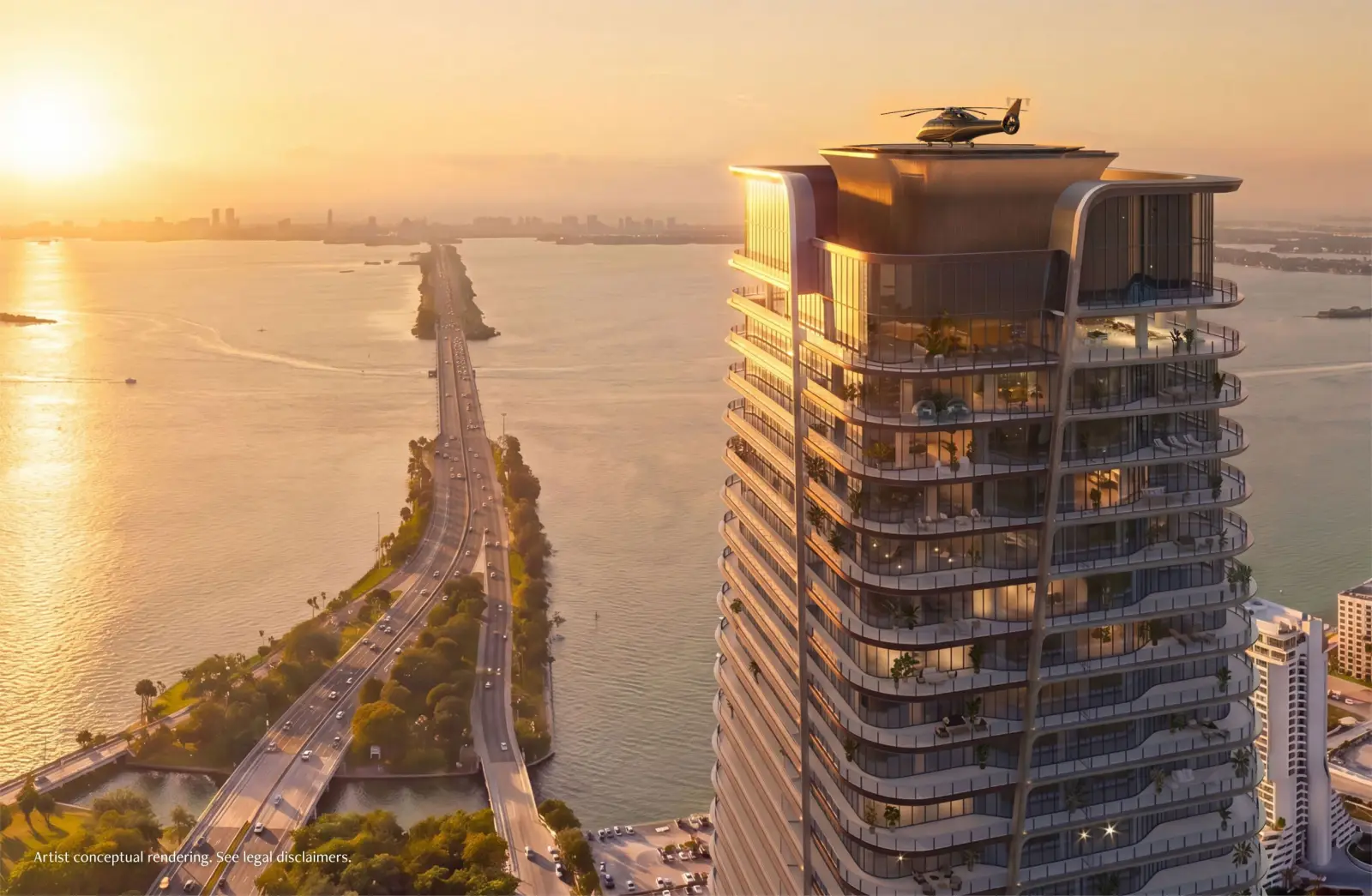
The redevelopment, known as The Residences at Mandarin Oriental, Miami, will include a new hotel as well as branded residential units. The project is positioned as a flagship investment aimed at strengthening Miami’s status as a global luxury destination.
Developers plan to deliver a modern hospitality offering alongside high-end residences, targeting both international buyers and luxury travellers. The timeline for completion is estimated at around 2030, with construction expected to continue over several years.
The closure and demolition of the original hotel temporarily reduce luxury accommodation capacity in the Brickell area. However, the long-term plan is expected to introduce a larger and more contemporary property, reflecting evolving demand in Miami’s tourism and real estate markets.
The project forms part of a broader trend of redevelopment across Miami, where older properties are being replaced with higher-density, mixed-use developments. Industry observers note that such projects are increasingly focused on integrating hotels with residential offerings to maximise land value and attract long-term investment.