The latest review of holiday park operations in Europe details widespread complaints across several countries, highlighting concerns about safety, mis-selling, contract fairness, overcrowding, and environmental damage. The report identifies recurring problems in France, Germany, Italy, Spain and the Netherlands, where guests and buyers raise issues with misleading sales tactics, inadequate facilities, and inconsistent regulatory protections.
The findings follow years of scrutiny of the UK holiday park sector, where media reports have documented health and safety lapses, aggressive sales practices, and contract terms that disadvantage customers. Industry observers note that similar patterns are now being reported across the continent, prompting calls for stronger oversight and clearer consumer protections for people who purchase or use holiday park accommodation.
Shared Issues Across Europe’s Holiday Parks
The report notes that in France, Germany, Italy, Spain and the Netherlands, holiday park units are not classified as real estate, leaving buyers without the legal protections normally associated with property ownership. This creates risks such as steep ground fee increases, vague contracts, and situations in which operators sell or redevelop land, potentially forcing unit owners to relocate their caravans or suffer financial losses.
Customers across these markets have reported unclear maintenance charges, compulsory use of park-controlled utility services priced at a premium, and hidden fees. The reputational fallout has been significant, with mistrust rising among guests and prospective buyers as legal disputes and financial controversies gain media attention.
In France, alongside strong demand for rural and coastal holiday parks, complaints relate to the treatment of guests with disabilities and allegations of discriminatory behaviour toward non-European visitors. Reports claim that some operators do not adequately train staff to support special needs guests and may fall short in providing accessible facilities.
Country-Specific Complaints and Safety Concerns
The Netherlands faces distinct challenges, with some holiday parks reportedly being used by criminal groups for money laundering and illegal activities. While the typical guest is unlikely to encounter these operations directly, overcrowding, poor sanitation, and understaffing are among the more commonly cited problems. Visitors also report neglected facilities and equipment, particularly during peak travel seasons.
In Italy, holiday parks are accused of contributing to environmental degradation. The concerns include pollution, poor recycling practices, and waste mismanagement in parks located in coastal and scenic areas. Guests have raised issues about unsanitary conditions and significant gaps between the luxury experience advertised and the reality of crowded, aging facilities.
Germany and Spain share similar criticisms, particularly among smaller park operators. Health and safety lapses include insufficient fire protection, poor sanitation, and limited recreational infrastructure. The lack of investment in upgrades and compliance has led to calls for stricter regulations to ensure safer conditions for workers and guests.
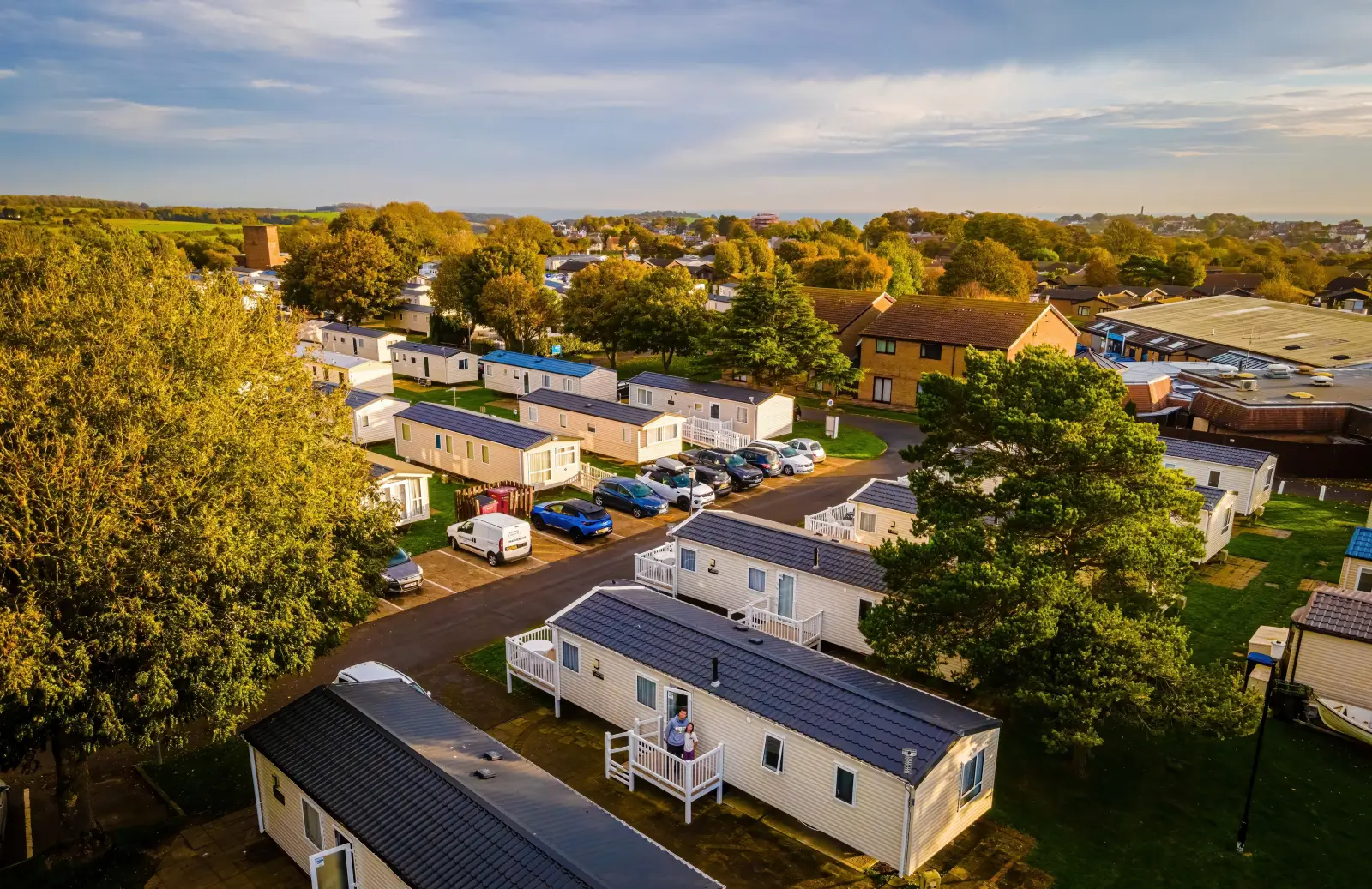
The UK holiday park sector, cited as a reference point for earlier investigations, has been scrutinised for misleading sales claims, including suggestions that buyers could live permanently in units that are not classified as residential accommodation. Complaints have also focused on rapid depreciation of units, high fees, aggressive upselling, and opaque contract terms. These issues mirror many of the cases now being highlighted elsewhere in Europe.
Additional concerns noted in the UK include reports of anti-social behaviour, health and safety failures, and disputes over how park operators spend annual fees. Some customers have described pressure to accept costly upgrades and compulsory service packages, similar to patterns seen in the timeshare industry.
The expansion of these issues across multiple European markets suggests that inconsistent oversight, complex ownership structures, and aggressive commercial practices may be affecting the sector more broadly than previously understood. Industry analysts warn that continued reputational damage could deter investors and impact tourism businesses associated with holiday parks.
Consumers who believe they have been mis-sold holiday park units or treated unfairly are advised to seek guidance. European Consumer Claims notes that its experts are available to support buyers who need help understanding their rights or exploring potential remedies.
Photo Credit: Alexey Fedorenko / Shutterstock.com