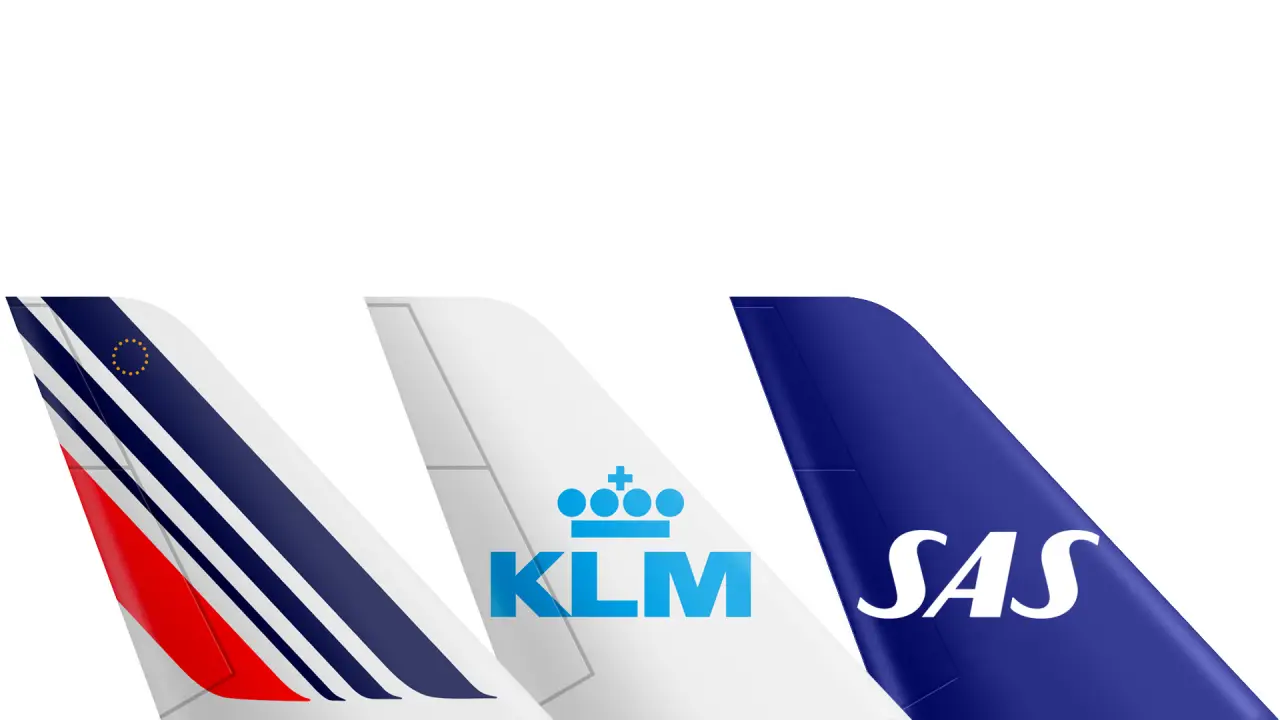
Air France–KLM confirms plan for majority control of SAS, signaling a major shift in European aviation strategy and a landmark partnership that could reshape travel across Scandinavia and beyond.
This move marks a pivotal chapter for both airlines as they aim to deliver a more connected, competitive, and sustainable experience for passengers while securing long-term viability in a challenging industry. Travelers across Europe are watching closely as two major players join forces, promising new routes, upgraded services, and a stronger Scandinavian identity.
Strengthening SAS While Keeping Scandinavian Roots
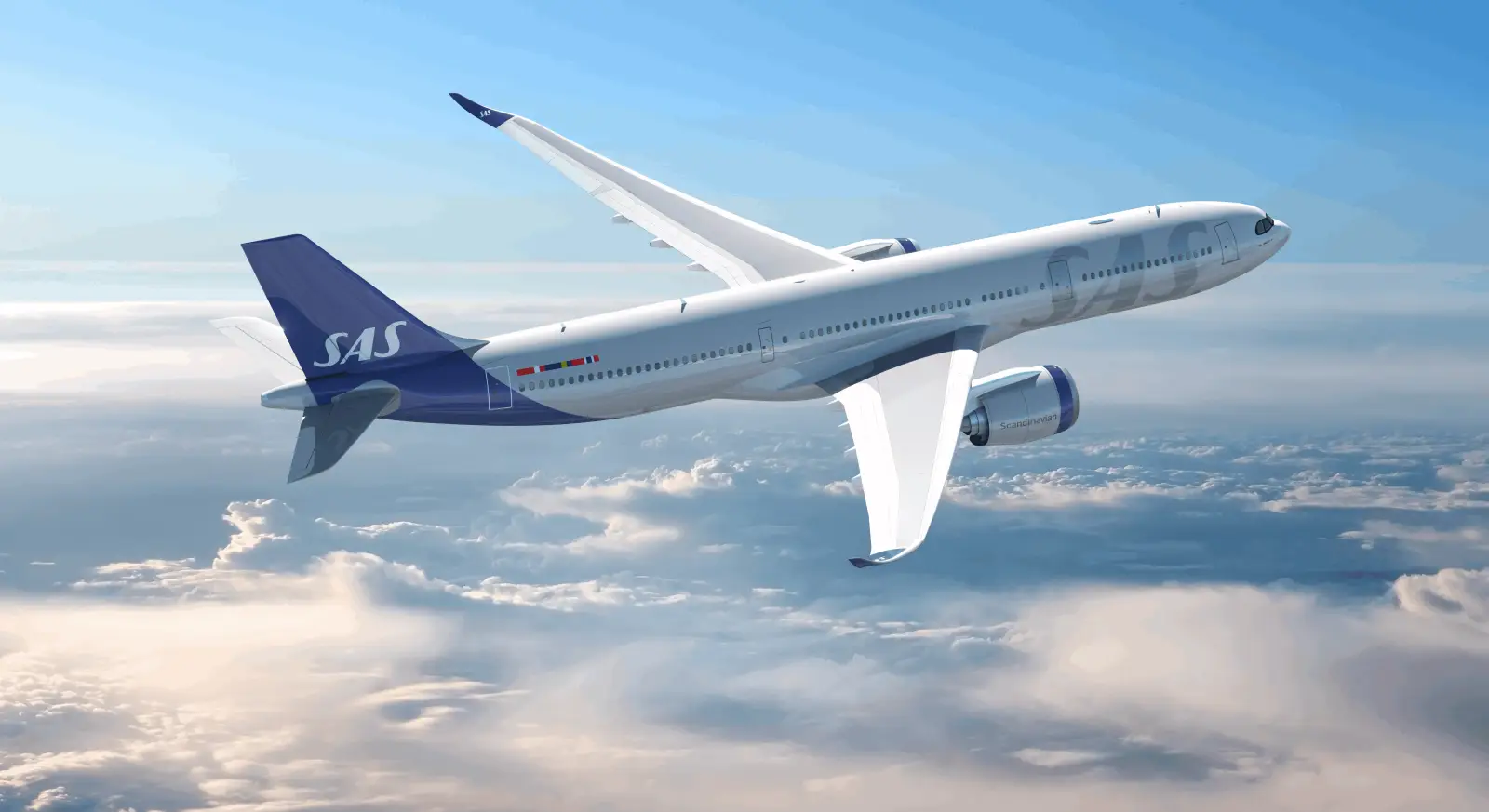
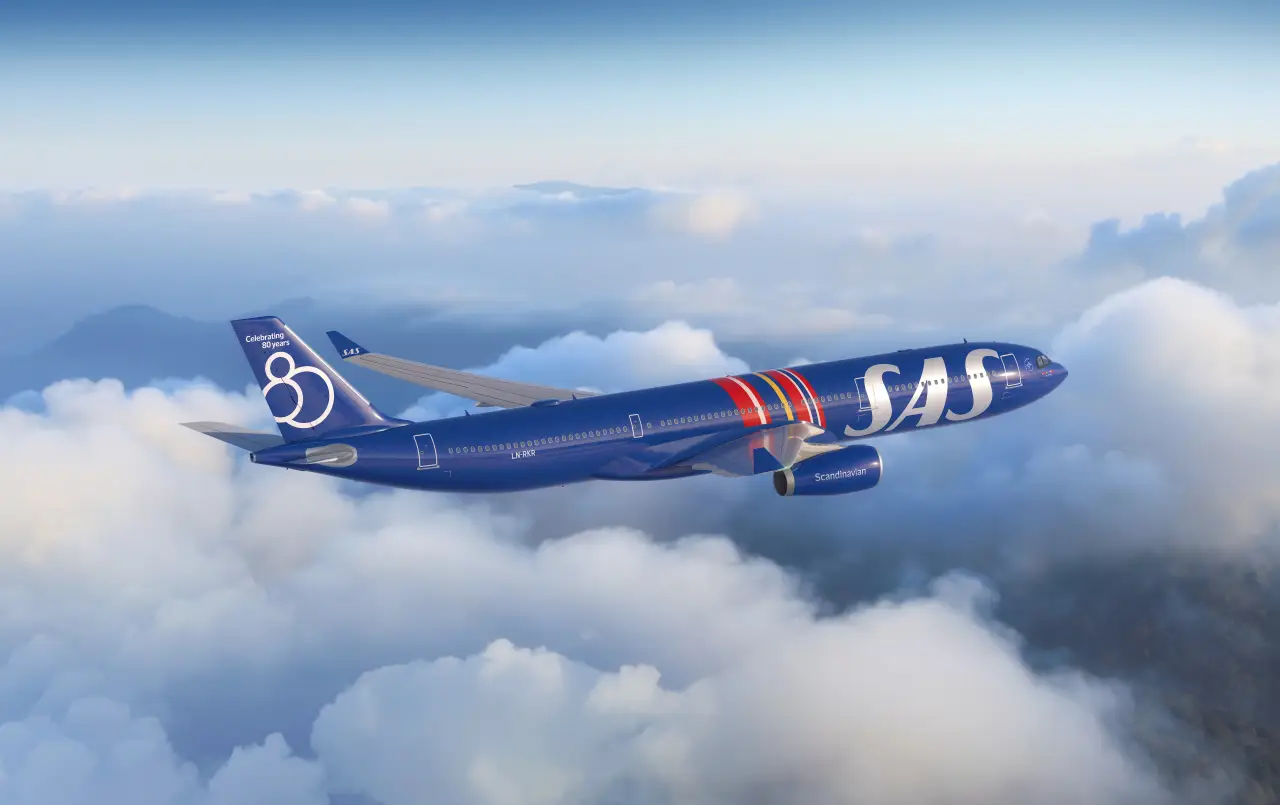
SAS Airlines has long been the flag carrier of Scandinavia, with a proud heritage of linking Nordic capitals to major cities worldwide. Air France–KLM’s decision to pursue majority control reaffirms its commitment to maintaining that regional identity while delivering broader benefits through integration.
According to SAS President & CEO Anko van der Werff, this strategic partnership offers both stability and opportunity. He emphasized that SAS will remain “proudly Scandinavian at heart, look and feel,” even as it gains access to new resources and markets under the Air France–KLM umbrella.
The goal is not to erase SAS’s heritage but to amplify it on a global stage. By leveraging Air France–KLM’s scale and expertise, SAS hopes to better serve passengers while staying true to its local roots. This means maintaining strong operations in Stockholm and Oslo, while also positioning Copenhagen as a central global hub for the region.
Why Air France–KLM Is Investing in SAS
The aviation industry has faced relentless headwinds in recent years, from fluctuating fuel costs and environmental concerns to pandemic disruptions and fierce competition. In this context, consolidation has emerged as a powerful strategy to ensure survival and growth.
Air France–KLM’s move to secure majority control of SAS is not just about expanding market share—it’s about building a more resilient, interconnected, and sustainable airline group capable of meeting these challenges head-on.
For SAS, joining forces with Air France–KLM means access to vital resources, shared technology, and the deep operational experience of one of the world’s leading airline groups. It also provides financial stability, critical for ongoing fleet renewal and network expansion plans designed to make SAS more competitive in the long term.
Enhancing Customer Experience Through Integration
One of the most important aspects of the deal is its potential to improve the passenger experience. By joining a larger airline family, SAS will gain access to Air France–KLM’s extensive route network, loyalty programs, and technology innovations.
This means smoother connections, more convenient scheduling, and better service for travelers. The promise is that Scandinavian customers will enjoy seamless access to Air France and KLM’s hubs in Paris and Amsterdam, unlocking destinations across Europe, Asia, Africa, and the Americas.
At the same time, travelers from around the world will find it easier to reach Nordic destinations, boosting tourism and business links throughout the region.
Such integration also supports the airlines’ sustainability goals. Coordinated scheduling, more efficient aircraft use, and shared best practices can help reduce the carbon footprint of operations while maintaining high standards of safety and reliability.
Air France–KLM confirms plan for majority control of SAS with a shared vision for a greener future in aviation. Both companies have strong track records of investing in new technologies, fuel-efficient aircraft, and alternative energy research to reduce emissions.
SAS has already been recognized as the world’s most punctual airline, showing its dedication to operational excellence. By joining forces with Air France–KLM, it can continue to push the boundaries of sustainable aviation while delivering reliable service for customers.
As global interest in Scandinavia grows, maintaining this level of quality becomes even more important. Business travelers, tourists, and cargo operators alike stand to benefit from a more efficient, integrated network with sustainability at its core.
A Strategic Hub in Copenhagen
Central to this plan is the role of Copenhagen as the key Scandinavian gateway. The Danish capital will serve as a global hub for the combined network, offering easy connections between Europe and long-haul destinations worldwide.
This hub strategy is designed to maximize efficiency, reduce travel times, and streamline operations. It also promises to deliver economic benefits to the region, supporting jobs and infrastructure investment while reinforcing Copenhagen’s status as a world-class aviation center.
Importantly, SAS’s commitment to strong and strategic operations in Oslo and Stockholm will remain unchanged. The goal is a balanced approach that strengthens the entire region’s connectivity without sacrificing local service quality.
Industry Trend Toward Consolidation
This deal reflects a broader trend in the aviation industry: consolidation as a response to globalization and competition. As airlines face growing pressure to keep costs down while maintaining service quality, joining forces has become an attractive solution.
Air France–KLM’s move to secure majority control of SAS is part of this pattern, but with a uniquely Scandinavian flavor. By respecting SAS’s heritage and customer base while providing the resources needed to compete, both airlines aim to create a model for sustainable, customer-focused consolidation in Europe.
Analysts point out that the European aviation landscape has been shifting for years, with alliances and acquisitions changing the competitive balance. The Air France–KLM and SAS partnership is just the latest example of how carriers must adapt to survive and thrive in a rapidly evolving marketplace.
What Passengers Can Expect Next
For travelers, the most important question is simple: what does this mean for my flight? The good news is that the partnership promises improvements rather than disruptions.
Passengers can expect better connectivity, with more direct flights and easier transfers across Europe and beyond. Loyalty program integration could deliver added benefits for frequent flyers, while shared technology investments may lead to smoother booking experiences and more personalized service.
SAS customers should not fear losing the Scandinavian character they value. Both airlines have emphasized their commitment to preserving the cultural identity and customer focus that have defined SAS for decades.
As the regulatory process moves forward, the industry will be watching carefully to see how this partnership unfolds. For now, it represents a bold and thoughtful approach to modern aviation challenges—one that could set the standard for other carriers navigating a complex, competitive, and environmentally conscious future.