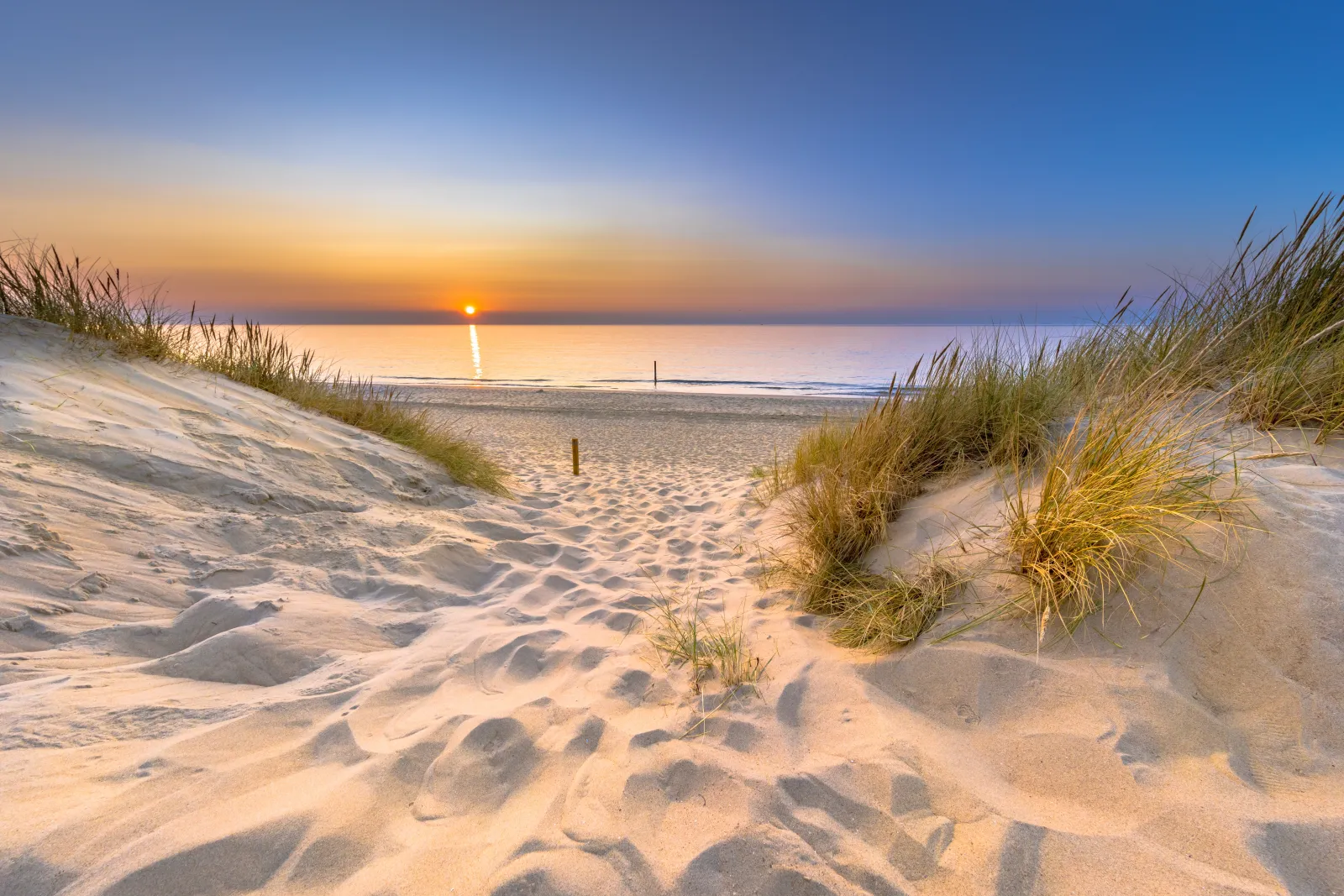
The Netherlands is developing new strategies to quietly attract US tourists this summer. Instead of relying solely on crowded Amsterdam, tourism officials are marketing lesser-known destinations, sustainable travel options, and tailored experiences that appeal directly to American visitors.
With a targeted approach, the Netherlands is working to balance growth with responsible tourism. This new strategy is designed to reduce pressure on Amsterdam while spreading the benefits of tourism across the country.
How Is the Netherlands Secretly Luring US Tourists?
The answer lies in a coordinated campaign launched just before the busy American Independence Day holiday. The Netherlands joined seven other countries—including Canada, France, Spain, and Greece—to attract US travelers in the peak summer months. This coalition aims to highlight Europe as a safe, diverse, and welcoming destination.
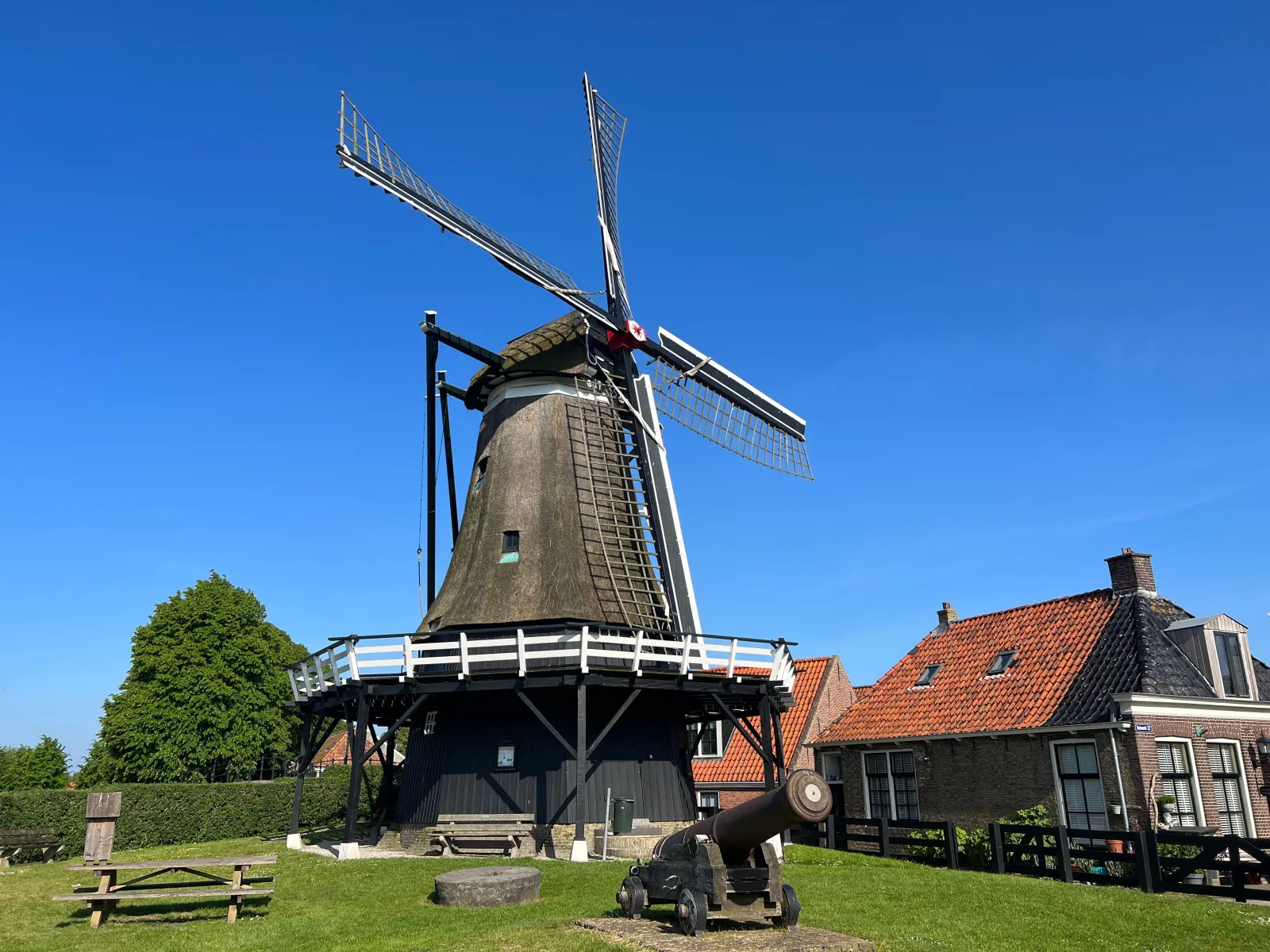
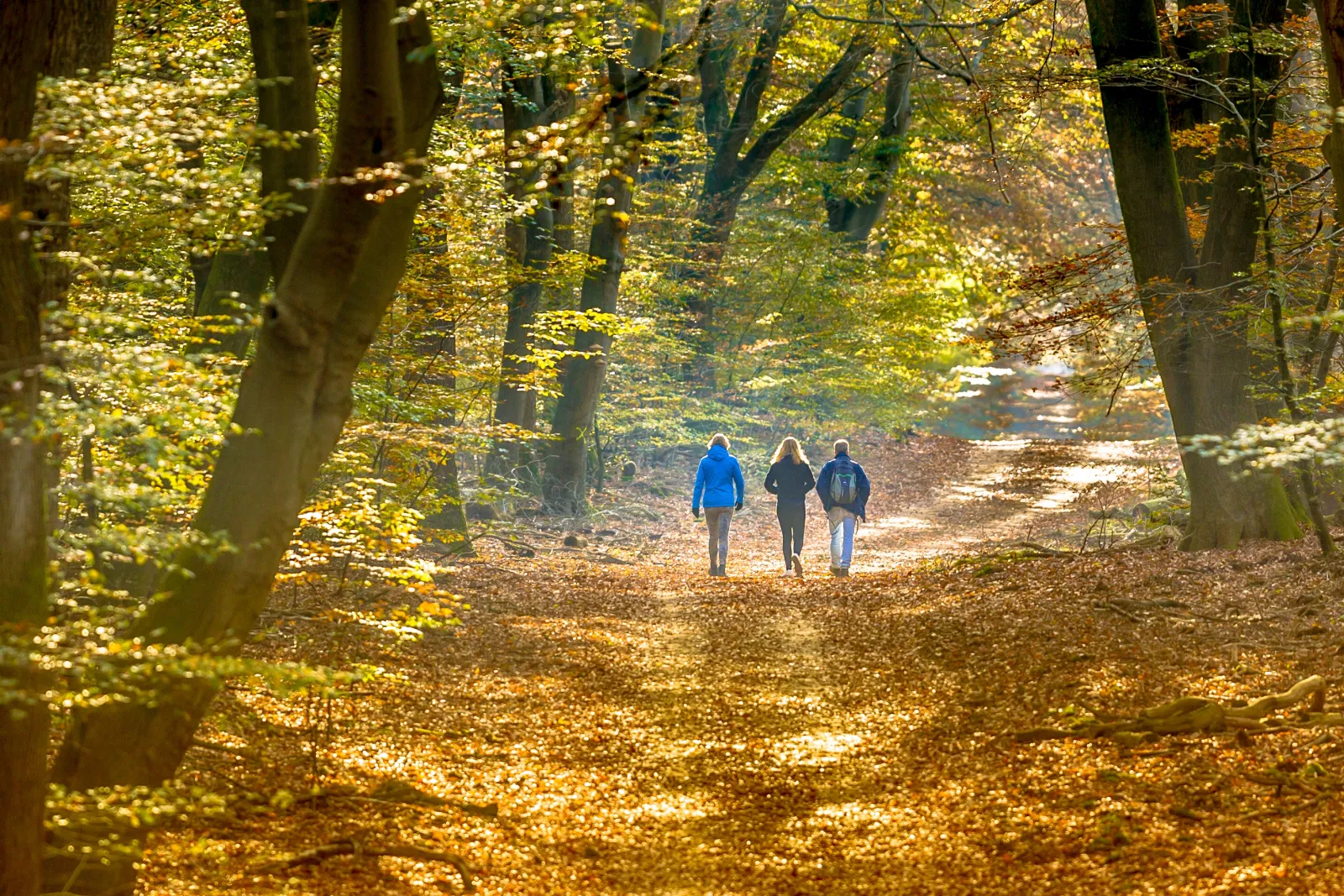
For its part, the Netherlands is spotlighting “hidden Dutch gems,” sustainable itineraries, and regional culture. American tourists are being encouraged to look beyond Amsterdam and discover places like Zeeland’s coast, the Veluwe forests, Friesland’s lakes, and historic cities such as The Hague and Utrecht.
- Hidden Dutch gems: Promoting authentic, less crowded destinations that showcase the country’s natural beauty and cultural heritage.
- Sustainable travel: Encouraging train travel, cycling, and eco-friendly accommodations that align with American travelers’ growing environmental awareness.
- Targeted digital marketing: Using data-driven ads to reach specific US audiences with tailored deals and experiences.
Shifting Demand Away from Amsterdam
Amsterdam has seen short-term rental nights fall from 2.5 million in 2019 to 1.4 million in 2024 as local regulations tighten, according to DutchNews.nl. In contrast, the Netherlands as a whole surpassed 11 million rental nights last year—a new record that shows the success of promoting other regions.
This strategy is intentional. By limiting rentals in Amsterdam, the country is nudging tourists toward lesser-known areas. It’s an approach designed to manage crowds while boosting local economies outside the capital.
Hidden Dutch Gems Getting the Spotlight
Places like Zeeland, the Veluwe, and Friesland are experiencing growth in short-term bookings. These regions offer coastal towns, national parks, and historic villages that appeal to Americans seeking authentic experiences. In The Hague, for example, new hotels such as the art-deco De Plesman are positioning the city as a stylish alternative to Amsterdam, with beach access and cultural attractions at a fraction of the price.
Domestic travel data backs up the trend. Dutch holiday spending rose to €15.3 billion last year, averaging around €1,500 per person, with many travelers choosing to explore their own country rather than go abroad. This trend supports a tourism strategy that spreads visitors more evenly across the country.
Smart Partnerships and Digital Strategies
The Netherlands Board of Tourism & Conventions (NBTC) is leveraging partnerships with companies like Amadeus to deliver targeted marketing campaigns. These campaigns use location-based advertising and analytics to reach US travelers searching for European summer trips. Building on success in Germany, NBTC is now applying these data-driven techniques to the American market.
Part of this effort includes promoting sustainable travel. Messaging emphasizes train-based itineraries, carbon-neutral stays, and local experiences that align with the values of eco-conscious US travelers.
Insights and Takeaways for US Travelers
| What Travelers Gain | Why It Matters |
|---|---|
| Explore beyond Amsterdam | Fewer crowds, more authentic experiences, and better value. |
| Travel sustainably | Align with personal values while supporting local economies. |
| Seasonal timing | Off-peak and shoulder-season travel saves money and reduces impact. |
Timing the Campaign for Maximum Impact
Launching this joint tourism push before July 4 is no accident. American travelers often book international trips around this time, making it an ideal window to influence their decisions. The partnership with other popular European destinations amplifies the message: Europe is open, diverse, and ready to welcome US visitors.
At the same time, changes in US-Dutch travel patterns are influencing the strategy. Fewer Dutch travelers are visiting the United States this summer, according to ANWB reports. This creates an opportunity to reverse the flow by bringing more Americans to the Netherlands instead.
Balancing Growth with Responsible Tourism
While the Netherlands is eager to attract American travelers, it’s equally committed to avoiding the pitfalls of overtourism. Amsterdam’s rental restrictions, “stay away” campaigns, and tighter local policies remain in force. The idea is to grow tourism in a way that’s sustainable for residents and appealing to visitors.
By promoting hidden gems and sustainable travel, the Netherlands is rewriting its tourism playbook. For American travelers looking for something beyond the usual European hotspots, this strategy offers a chance to experience the country’s authentic charm while supporting responsible tourism practices.
Zeeland – Main Photo Credit: Rudmer Zwerver / Shutterstock.com