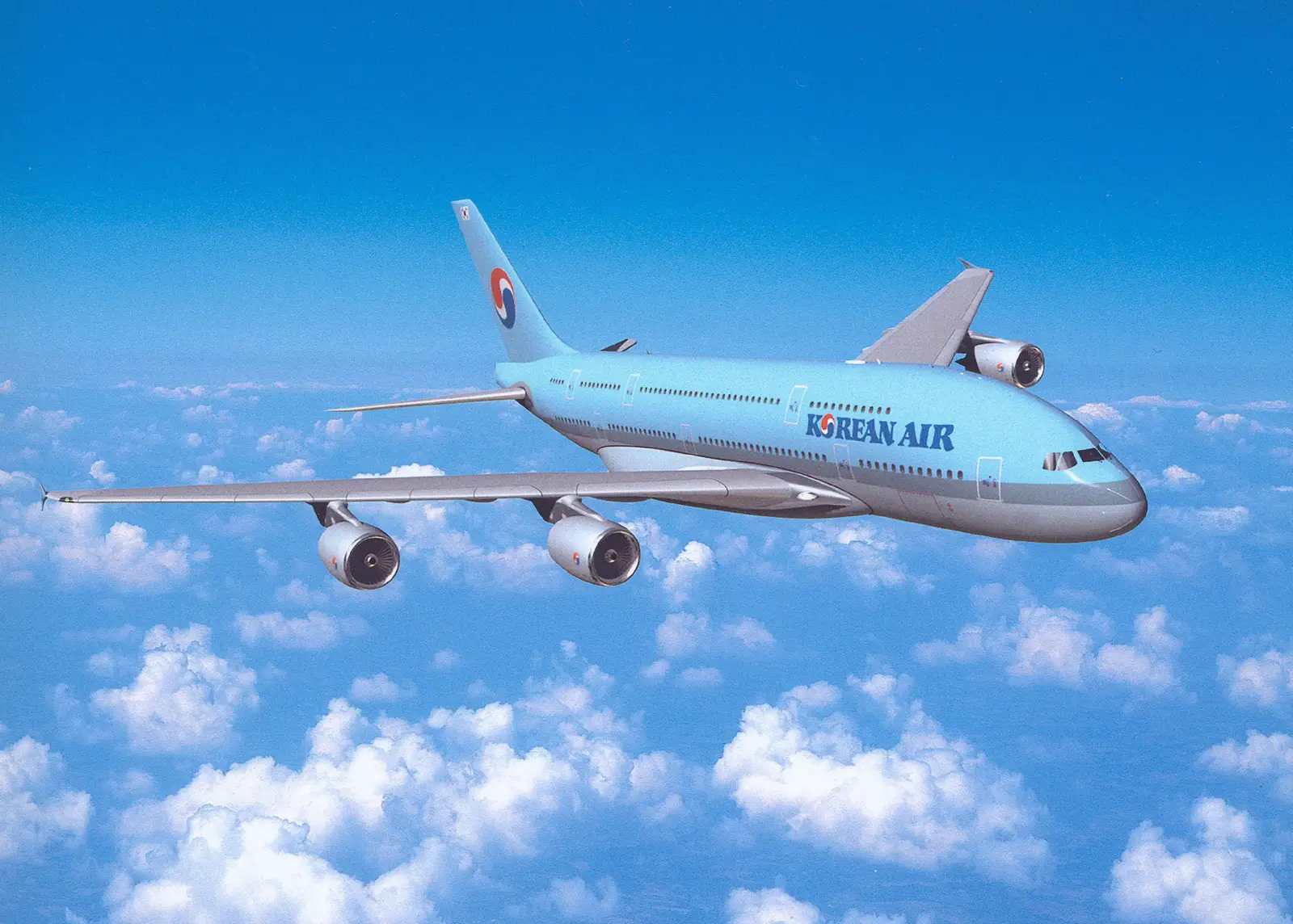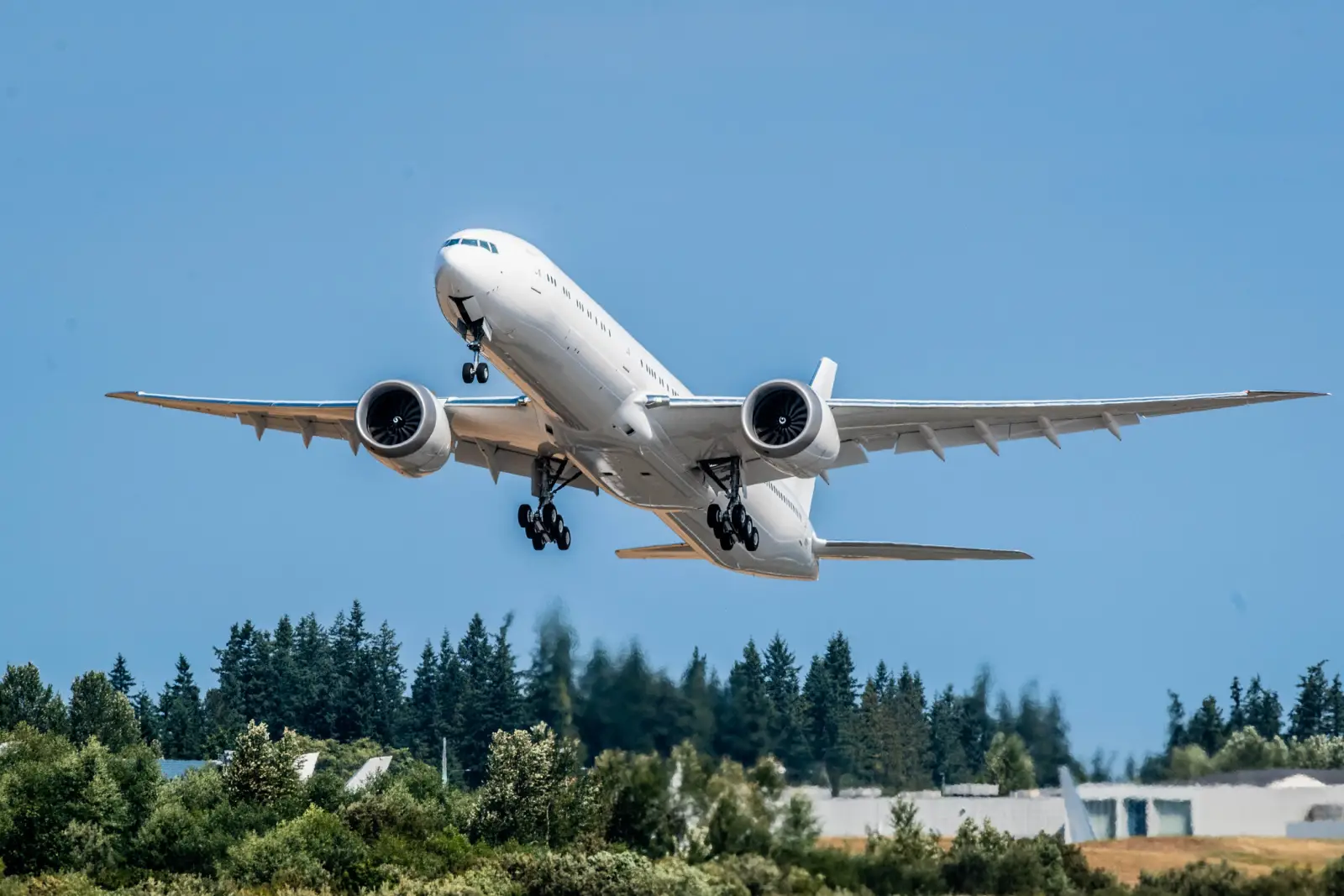
Boeing [NYSE:BA] and Korean Air announced an agreement for the airline to purchase 103 new fuel-efficient aircraft, marking the largest order in Korean Air’s history and Boeing’s biggest widebody deal from an Asian carrier. The order includes passenger and freighter aircraft and is intended to support fleet modernization as Korean Air prepares for its merger with Asiana Airlines.
The purchase plan was unveiled at the Korea-U.S. Business Roundtable “Partnership for a Manufacturing Renaissance,” with officials from both governments present. Once finalized, the commitment will support an estimated 135,000 U.S. jobs and add to Korean Air’s earlier 2025 order for 40 Boeing widebody jets, raising the airline’s total Boeing commitments this year to more than 150 units.
Details of the Aircraft Order
| Aircraft Model | Quantity | Key Features |
|---|---|---|
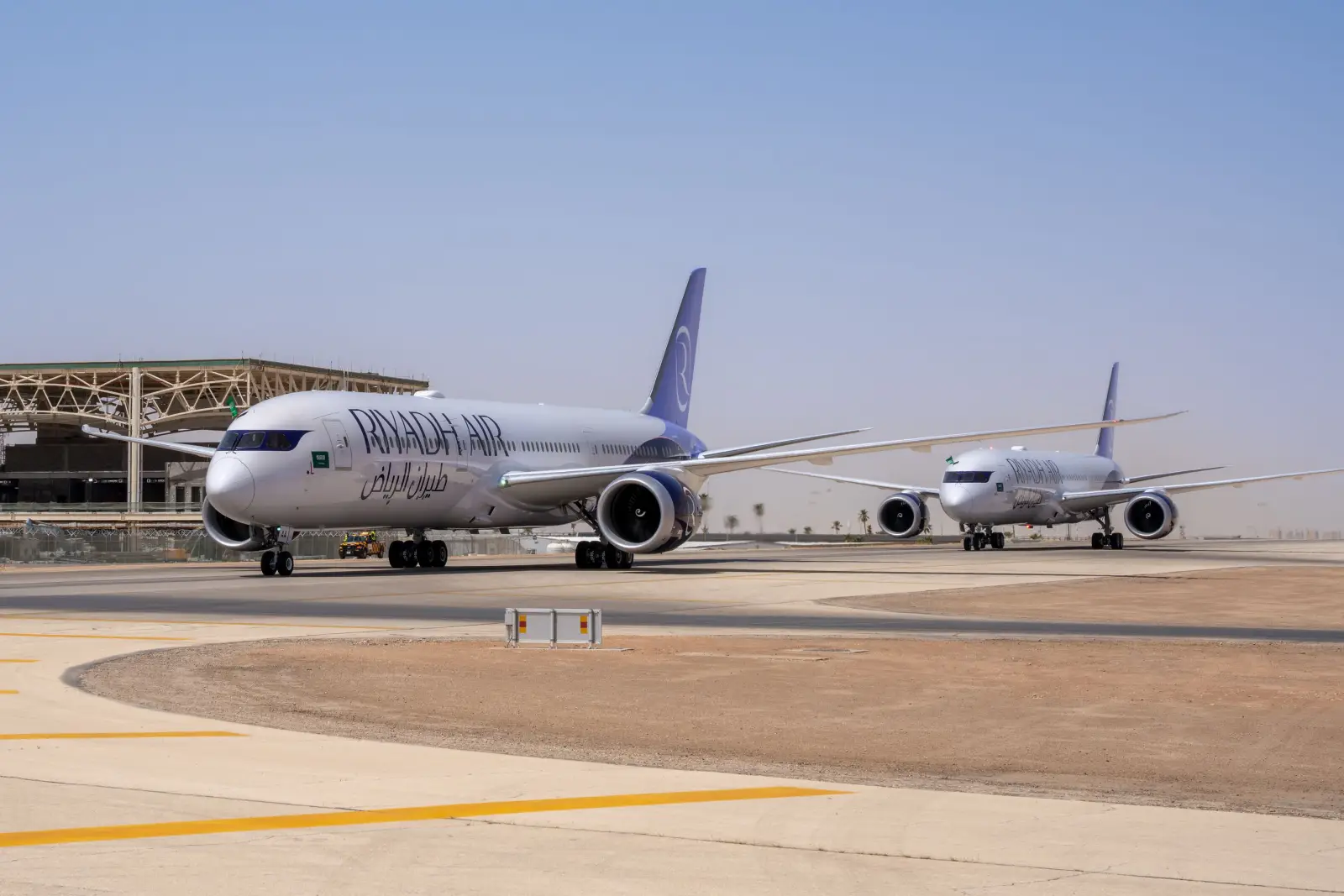
| Boeing 777-9 | 20 | Seats 426 passengers, 13,510 km range, 20% lower fuel use and emissions |
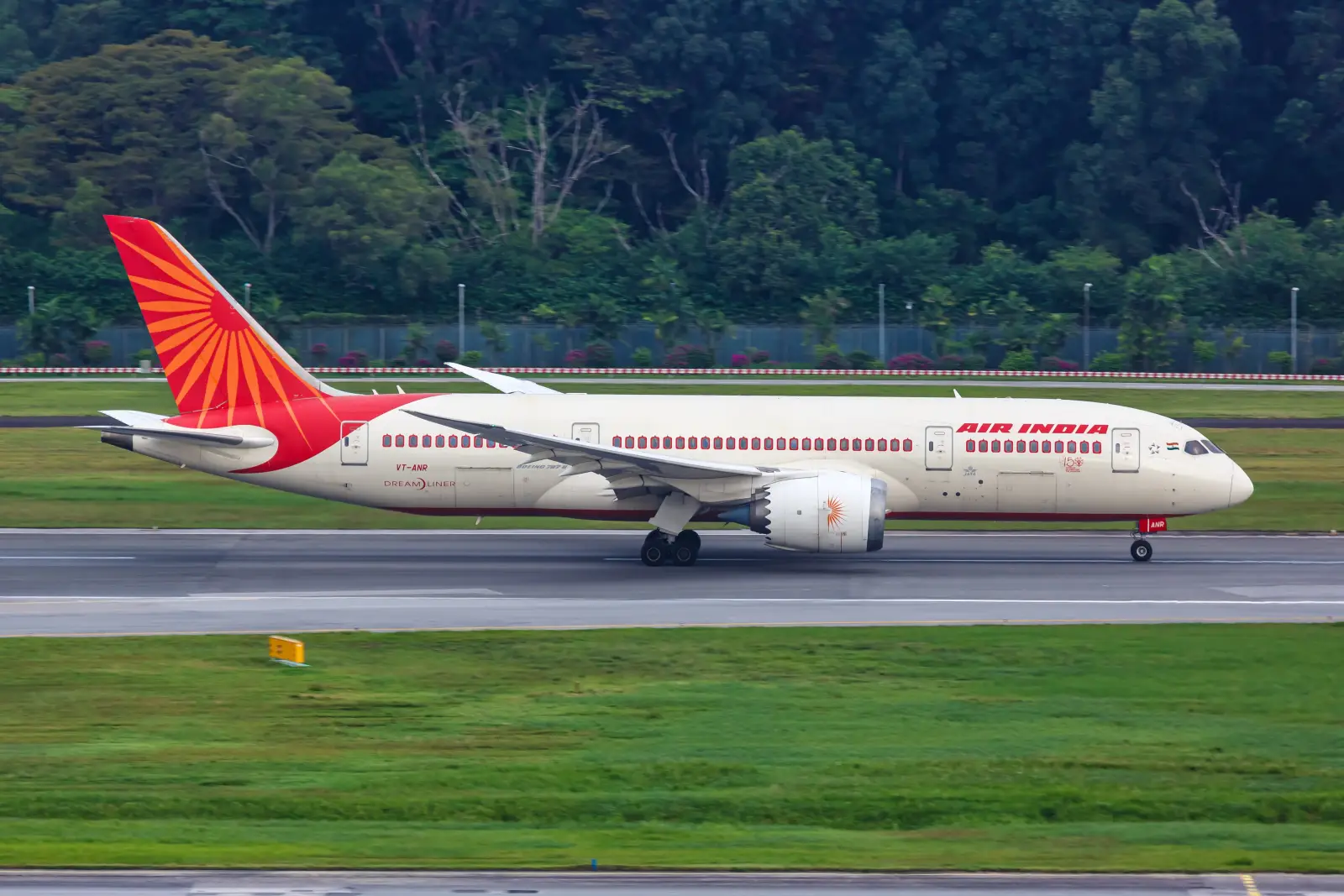
| Boeing 787-10 | 25 | Seats up to 336 passengers, 11,730 km range |
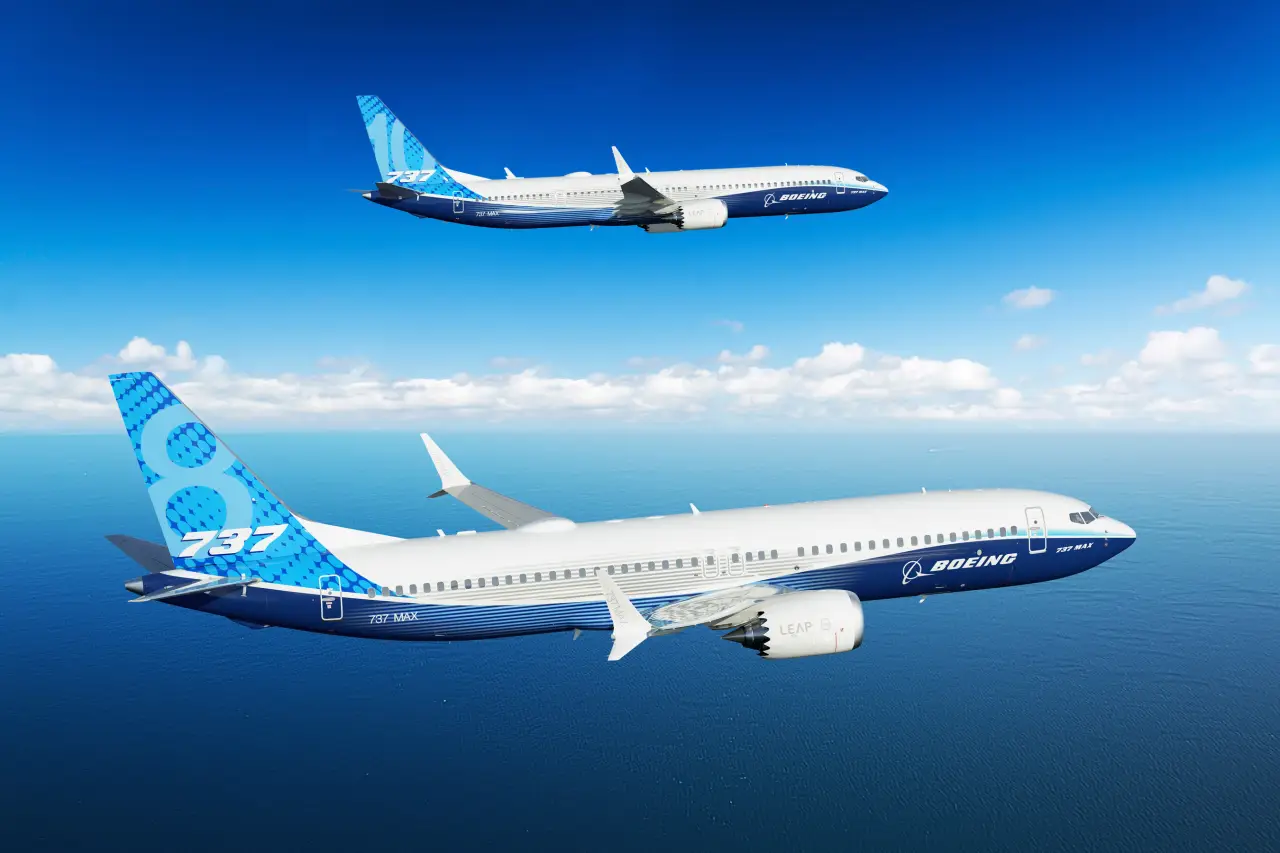
| Boeing 737-10 | 50 | Seats up to 230 passengers, 5,740 km range, lowest cost per seat in single-aisle category |
| Boeing 777-8 Freighter | 8 | Largest twin-engine freighter, 30% better fuel efficiency and emissions reduction |
Fleet Modernization Strategy
Korean Air said the order is a cornerstone of its modernization efforts. The aircraft are expected to replace older models while improving fuel efficiency and passenger services. “This agreement with our long-standing partners, Boeing and GE, marks a pivotal moment for Korean Air,” said Walter Cho, Chairman and CEO of Korean Air. “Acquiring these next-generation aircraft is the core of our fleet modernization strategy, delivering significant gains in fuel efficiency and enhancing the passenger experience across our global network.”
The deal also marks Korean Air’s first order for the Boeing 777-8 Freighter, strengthening its cargo operations as it integrates with Asiana Airlines. The combined fleet is positioned to expand Korean Air’s role in both passenger and cargo markets in Asia and beyond.
Boeing’s Commitment
Boeing executives emphasized the significance of the order for both the manufacturer and the airline. “We are honored to strengthen our partnership with Korean Air through this landmark agreement, which reflects the value and capabilities of Boeing’s market-leading airplane family,” said Stephanie Pope, President and CEO of Boeing Commercial Airplanes. “As Korean Air transitions to a larger unified carrier, we are committed to supporting the airline’s growth with one of the world’s most efficient fleets.”
The order will be recorded on Boeing’s Orders & Deliveries website once it is finalized. Korean Air’s total Boeing fleet currently stands at 108 aircraft, including 737s, 747s, 777s and 787s. With 72 jets already on order and the new commitment, its order book will expand to 175 airplanes.
Impact and Industry Significance
The agreement was signed with the participation of Howard Lutnick, U.S. Secretary of Commerce, and Kim Jung-kwan, South Korea’s Minister of Trade, Industry and Energy. The contract reflects growing cooperation between the U.S. and South Korea in advanced manufacturing and aerospace. The expansion is expected to enhance Korean Air’s competitiveness in international markets as the airline completes its merger with Asiana Airlines.
Boeing noted that the 777-9 will offer long-haul capacity and reduced emissions, the 787-10 will optimize mid- to long-haul operations, and the 737-10 will provide efficiency on high-demand regional routes. The addition of the 777-8 Freighter is expected to improve cargo efficiency, with the lowest operating cost per tonne among large freighters.
Korean Air’s Aerospace Division also contributes to Boeing aircraft production by supplying components such as the raked wingtips for the 787 Dreamliner and parts for the 737 MAX, 767, and 777 families. The new order further deepens the manufacturing ties between the companies.
With this latest commitment, Korean Air is positioned to operate one of the most fuel-efficient and modern fleets in Asia, supporting both its passenger and cargo operations while advancing sustainability goals in global aviation.