Missile threat from Yemen shuts down Tel Aviv Airport operations temporarily as Israeli authorities respond to regional security concerns.
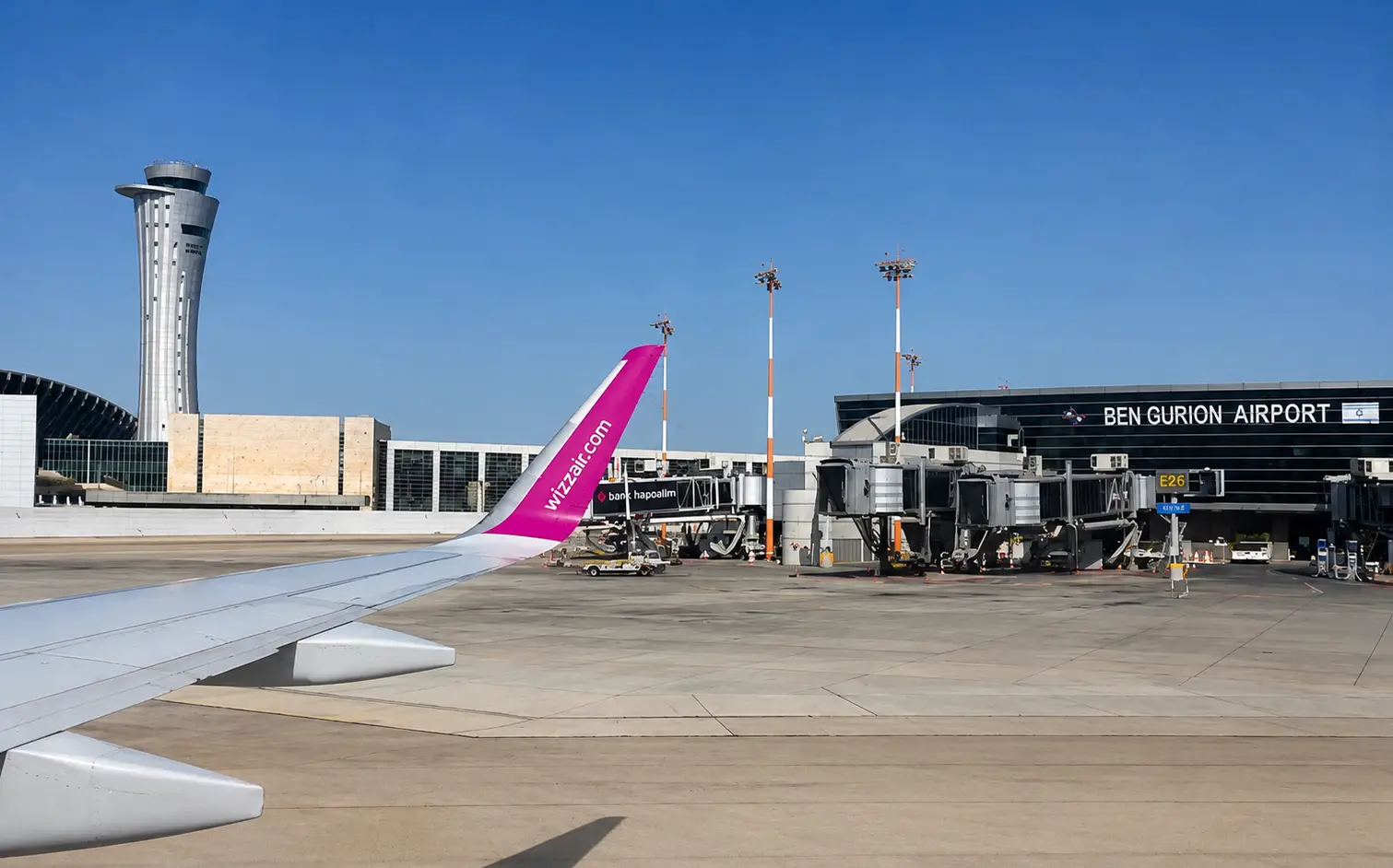
On Tuesday, Ben Gurion Airport suspended all incoming and outgoing flights following the interception of two missiles fired from Yemen, according to local media reports.
Flights Suspended as Precaution
The Israeli public broadcaster KAN reported that the suspension was implemented as a “precautionary measure.” The decision led to delays in the landing of several flights scheduled to arrive at Ben Gurion Airport, Israel’s primary international gateway.
The disruption occurred after the Israeli military confirmed that two missiles launched from Yemen were intercepted. Air-raid sirens were activated in multiple regions across Israel, signaling the perceived threat and prompting immediate defensive action.
While no direct impact or injuries were reported at the airport, the temporary halt highlights growing regional tensions and their impact on civilian aviation infrastructure.
Escalating Regional Conflict
The missile launch is part of a broader pattern of hostilities that have intensified in the region in recent months. Yemen’s Houthi group, which has not issued a statement on the latest incident, has escalated its involvement in the conflict following Israel’s renewed military offensive in Gaza.
Since November 2023, the Houthis have targeted commercial and military interests in the Red Sea, Gulf of Aden, and Arabian Sea. These attacks are framed as a show of solidarity with Palestinians in Gaza, where recent violence has resulted in the deaths of nearly 54,000 people according to regional sources.
In retaliation, Israel has carried out airstrikes on targets within Yemen, including infrastructure like Sanaa International Airport. The pattern of reciprocal military actions between the two parties has raised alarms in both diplomatic and travel sectors, especially regarding civilian safety and air navigation security.
Implications for Travel and Tourism
Ben Gurion Airport is a major hub for international travel in the Middle East. Any disruption to its operations—whether brief or extended—has significant implications for airlines, travelers, and tourism operators alike. Tuesday’s shutdown underscores the vulnerability of critical infrastructure during escalating regional conflicts.
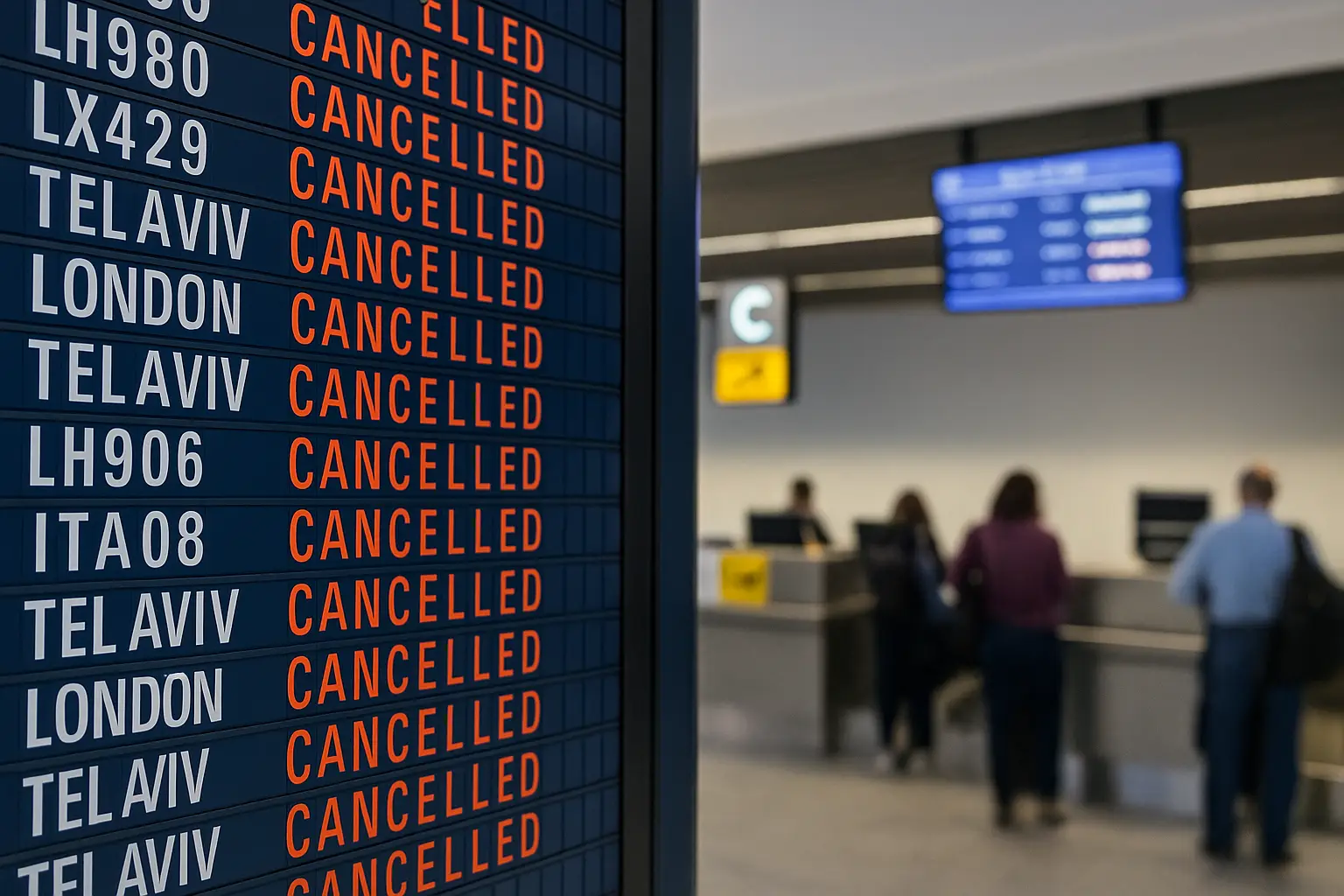
The precautionary closure affected a number of inbound international flights, which were either delayed, rerouted, or placed in holding patterns until clearance was granted. Departures were similarly postponed until Israeli authorities deemed conditions secure.
Travelers Urged to Stay Informed
Airline passengers with flights scheduled through Ben Gurion Airport are advised to check with their carriers for updates and monitor alerts from the Israel Airports Authority. Due to the unpredictable nature of geopolitical developments, airlines may adjust operations on short notice.
Security analysts suggest that as tensions continue, air travel in and around Israel may remain subject to intermittent delays and increased military monitoring. Although missile interception systems like the Iron Dome offer strong defensive capabilities, the psychological and logistical impact on travelers cannot be ignored.
The latest shutdown serves as a reminder of how quickly regional conflict can spill over into global mobility and international tourism. With tensions ongoing in Gaza and Yemen, travelers and operators should prepare for further disruptions, even as safety remains a top priority.