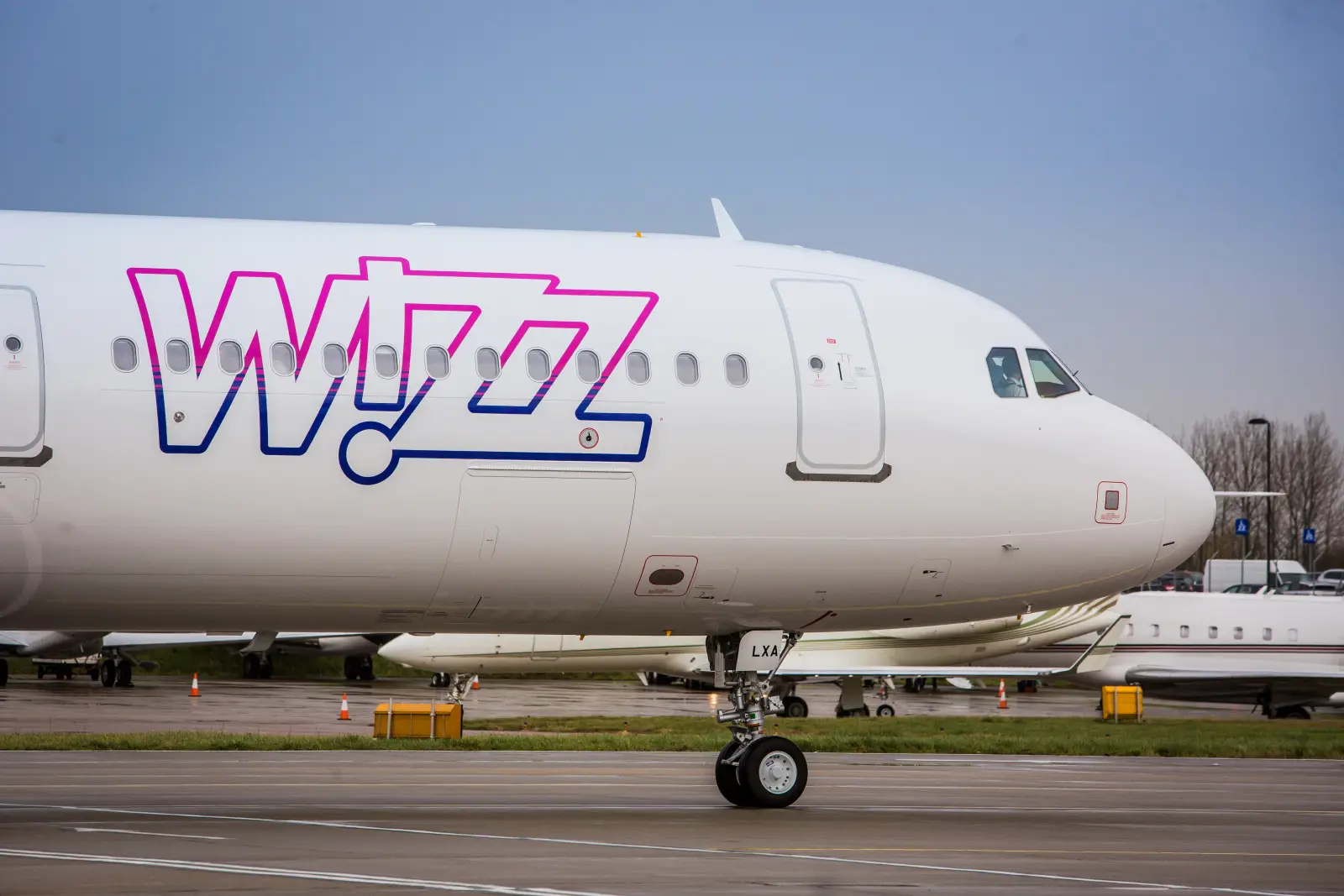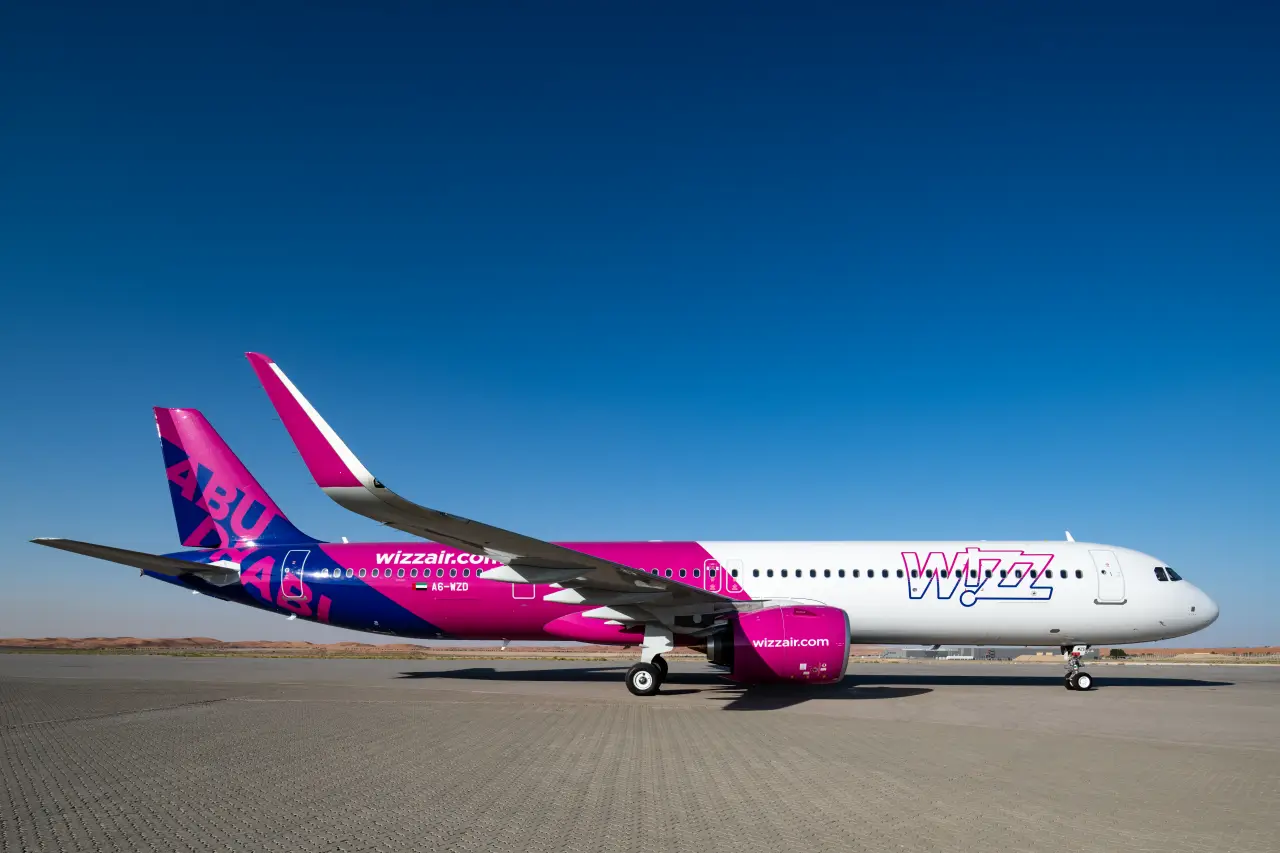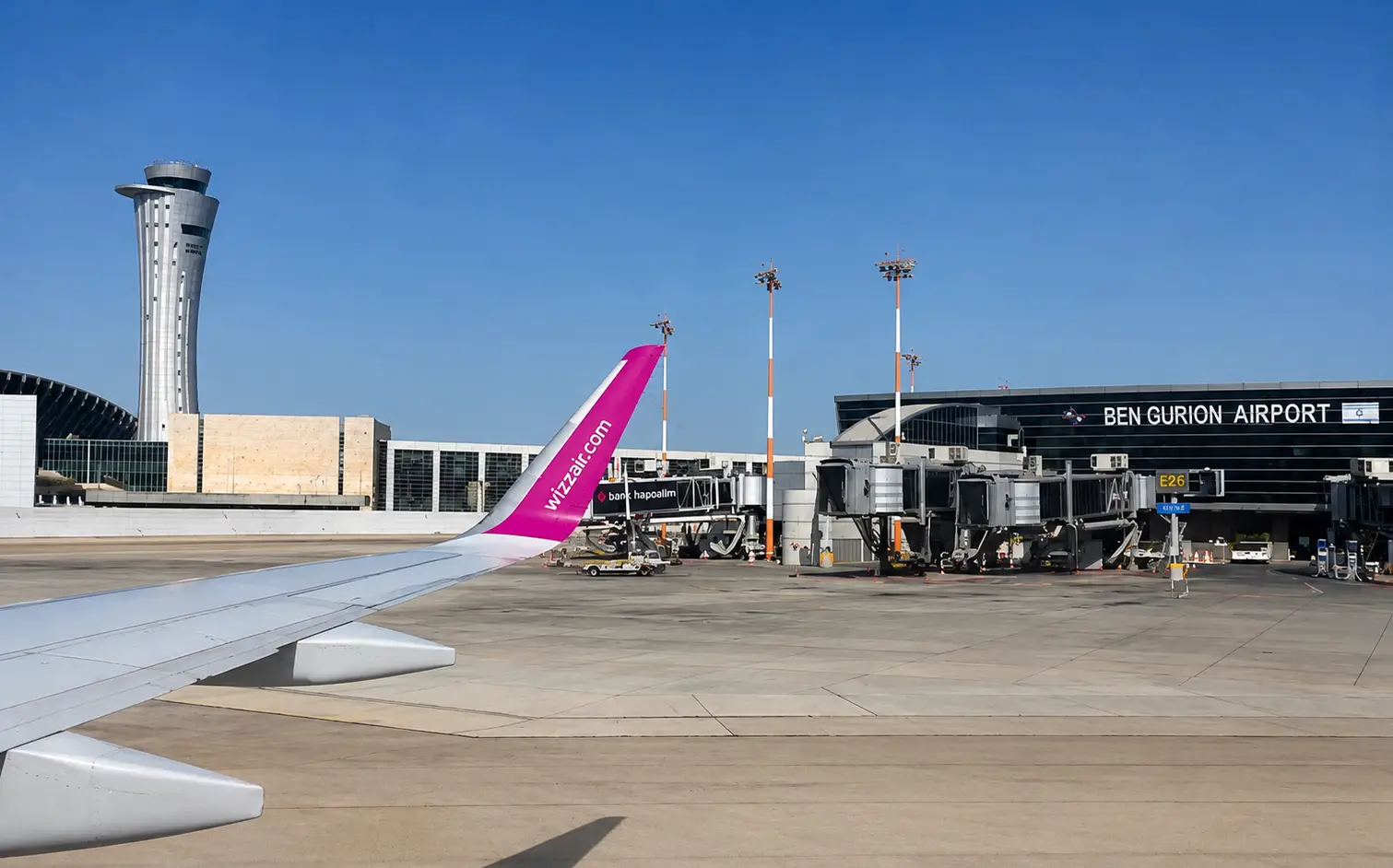
Israel’s Transport Ministry has frozen negotiations with Wizz Air over the airline’s planned hub at Ben Gurion Airport, after the Hungarian low-cost carrier continued to extend its suspension of flights to Tel Aviv. The decision effectively puts on hold a deal that had been 18 months in the making and threatened to reshape the country’s aviation market.
Wizz Air has postponed its return to Tel Aviv until at least 19 May, with the EU Aviation Safety Agency (EASA) advisory to avoid Israeli airspace cited as the primary obstacle to resuming operations. The airline had been the largest foreign carrier operating in Israel by passenger volume before the war with Iran.
A billion-dollar deal now on ice
The proposed hub represented one of the most ambitious foreign aviation investments in Israel’s history. Under the plan, Wizz Air would have invested approximately $1 billion over three years, stationed 10 aircraft permanently at Ben Gurion Airport, added around 50 new routes on top of its existing roughly 20, and created thousands of jobs.
Wizz Air chief executive József Váradi visited Israel in November 2025 for talks with Transport Minister Miri Regev, at which point the airline confirmed its intention to establish the hub in 2026. The Israeli government viewed the plan as a way to increase competition and drive down airfares, which have risen sharply since most international carriers suspended services following the outbreak of the war with Iran on 28 February.
A key regulatory hurdle had already been cleared ahead of the announcement. In February, an interministerial committee approved lifting a longstanding ban on foreign airlines parking aircraft overnight at Ben Gurion Airport, a basic requirement for any permanent base operation, despite strong opposition from Israeli carriers and threats of legal action.
EASA advisory the sticking point
Despite the regulatory progress, Wizz Air continued to extend its flight cancellations. The EASA safety advisory covering Israeli airspace, which has been repeatedly renewed, has left the airline unable to commit to a restart date. Regev contacted Váradi directly to request a gradual resumption of flights as a show of commitment to the Israeli market, but the appeal produced no change in the airline’s position.
The Transport Ministry said it still supports efforts to bring low-cost carriers to Israel but made clear that any future agreement must ensure fair conditions for Israeli airlines. “The delay in establishing Wizz’s base could hurt competition and limit the expansion of flight availability, but any future agreement must ensure that increased competition takes place under fair and equal conditions for Israeli airlines, so they can maintain long-term operations while also allowing the Israeli public to benefit from better prices and a wider range of flights,” the ministry said.
Wider disruption to Israel’s aviation sector
The collapse of the hub talks comes as Israel’s aviation sector continues to operate well below normal capacity. While around a dozen foreign carriers have resumed service to Tel Aviv, including two Emirati airlines, the major American and European carriers have not. The Lufthansa Group has cancelled flights to Ben Gurion through June, while easyJet has said it will not return until autumn.
Only Israeli carriers, including El Al, Arkia, Israir, and Air Haifa, have been operating regular services since the airport partially reopened following the ceasefire, with El Al running around a fifth of its usual schedule at the height of the disruption.
Industry observers have noted that the freeze does not amount to a permanent cancellation. Mark Feldman, chief executive of Jerusalem-based Ziontours, said: “One hopes that once normalcy returns, the negotiations will continue. Suspended does not mean the deal is canceled.”