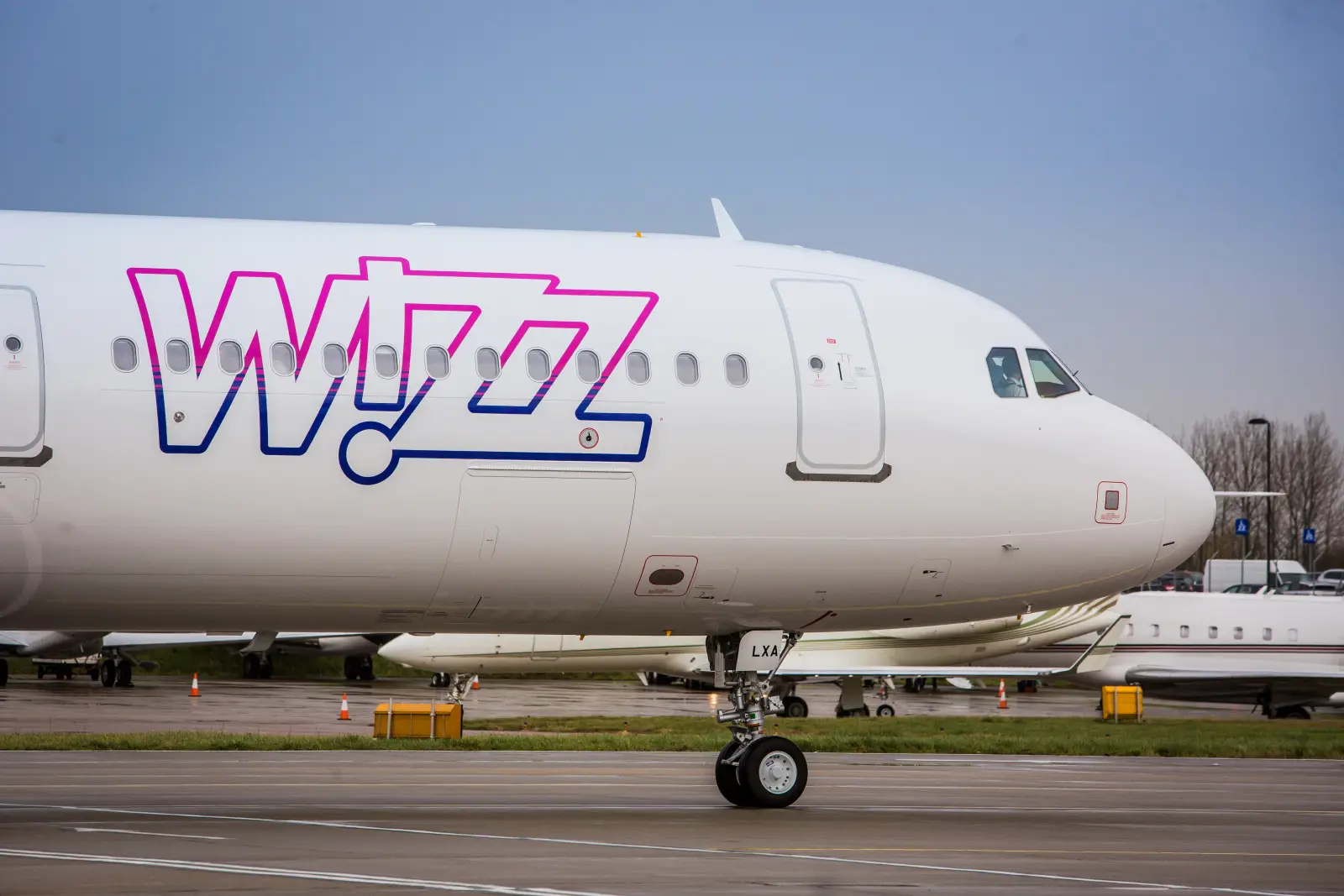
European flight prices are falling in the short term as airlines try to win back travellers worried about the economic fallout from the war in Iran, the boss of Wizz Air has said.
Wizz Air chief executive Jozsef Varadi said carriers could cut fares because many had bought fuel before the conflict pushed jet fuel prices sharply higher. His comments came as Spain’s industry and tourism minister urged people to book sooner rather than later to avoid potentially higher ticket costs.
Varadi said the market was reacting to passenger hesitancy, with some travellers delaying bookings because they were unsure how the conflict could affect jobs, inflation and wider spending. He said airlines could respond with price stimulation, adding: “So, short term, you are actually seeing prices dropping.”
The comments contrast with warnings from other airlines, which have said higher fuel costs linked to the conflict are pushing up fares or forcing them to cut flights. Jet fuel prices in Europe have risen sharply since 28 February, when the US and Israel began attacking Iran, climbing from $831 per metric tonne to a peak of $1800 before easing to around $1500.
Europe depends heavily on imported jet fuel, and more than half of normal supplies usually come from the Gulf region. Those flows have been blocked for the past eight weeks because the Strait of Hormuz has been effectively closed by the war, raising concerns about shortages, summer disruption and possible cancellations.
Varadi said those fears had been overplayed. “I don’t think we’ll be running out of fuel,” he told reporters. “Jet fuel is currently $1500 per metric tonne… and that creates a lot of room to be creative. I know for a fact that tankers are going to the United States to pick up fuel and bring that to Europe.”
He said Europe’s reliance on Middle Eastern fuel was “kind of crazy” and needed to be addressed. But he said the aviation industry had room to cope in the short term because many airlines hedge fuel purchases, fixing prices in advance to reduce the impact of sudden jumps.
Even so, he warned that if shortages did happen, the result would be a “complete mess”, with some airports or suppliers having fuel while others did not. “Ultimately, if there is not fuel anywhere, then you will have to cancel [flights],” he said.
The Wizz Air chief said fuel prices would probably remain above pre-war levels for some time, even if the conflict ended soon. “I don’t know whether that is nine months, 12 months or 18 months, but I don’t think this is going to go away very quickly,” he said.
Spain’s industry and tourism minister, Jordi Hereu, said higher fuel costs risked pushing up airfares and slowing demand. He told the newspaper Expansion: “What we’re recommending is that people buy their tickets now because it’s true that [airlines] are currently using kerosene that was purchased some time ago, and therefore there’s an element of price fluctuations involved,” and added: “It’s already clear that prices have risen and this could affect demand.”
Mark Tanzer, chief executive of the association for British travel agents, said travellers should be reassured by existing protections. “We remain in close contact with airline bodies, who are not currently seeing disruption to jet fuel supply,” he said.
The situation has left airlines balancing two competing pressures: higher fuel costs on one side, and weaker demand on the other. For passengers, that has created a mixed picture, with some routes and carriers offering lower fares in the short term while others warn that prices could rise again if the conflict drags on or fuel supply tightens.
Industry watchers say the biggest immediate risk is not just price rises but uncertainty. If airlines cannot secure fuel consistently across different airports and suppliers, some routes could face disruption even if overall supply remains stable. For now, however, Wizz Air’s message is that the market is soft enough for airlines to use lower fares to fill seats.
That could be welcome news for summer travellers across Europe, especially those planning last-minute trips. But the wider picture remains volatile, with fuel markets, booking trends and geopolitical risks all likely to shape what passengers pay in the coming months.