Lufthansa Group is cancelling 20,000 short-haul flights from its summer schedule through October, equivalent to approximately 40,000 metric tons of jet fuel, the price of which has doubled since the outbreak of the Iran conflict.
The Group capacity is decreased by less than one percent in available seat kilometers (ASK) through the cancellation of unprofitable routes in Frankfurt and Munich, while simultaneously expanding existing routes in Zurich, Vienna and Brussels.
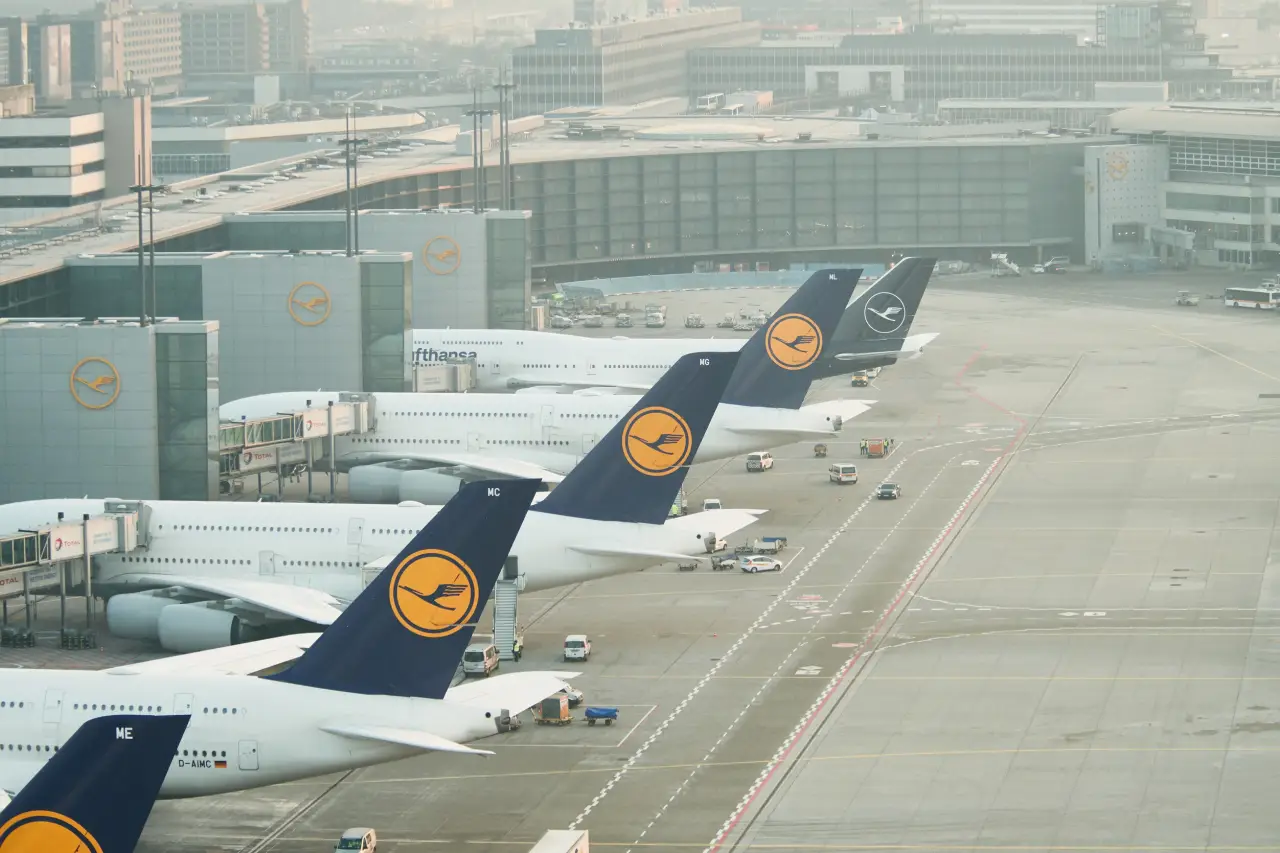
The planned consolidation of the European network is being carried out across Lufthansa Group’s six hubs in Frankfurt, Munich, Zurich, Vienna, Brussels, and Rome.
Passengers will therefore continue to have access to the global route network, particularly long-haul connections. However, due to the increase in jet fuel prices, this will be achieved significantly more efficiently than before.
Consolidation of European networks, 3 destinations temporarily removed
Lufthansa Group is also accelerating a further key strategic step in the consolidation of European networks within its hub airlines — Lufthansa Airlines, SWISS, Austrian Airlines, Brussels Airlines, and ITA Airways.
Following this approach, the first 120 daily flight cancellations were implemented on 20 April, effective through the end of May, and affected passengers have been notified. With the cancellation of routes from Frankfurt to Bydgoszcz and Rzeszów (Poland) as well as Stavanger (Norway), at least three destinations have been temporarily removed from the current flight schedule.
Ten connections are being consolidated within the Group via other hubs which are Heringsdorf, Cork, Gdańsk, Ljubljana, Rijeka, Sibiu, Stuttgart, Trondheim, Tivat and Wrocław.
Flight schedule from June to be published in late April
The medium-term route planning from June is being revised considering the capacity reduction and will be published in late April or early May. This will include optimisations to the short-haul offering for the entire summer season, thereby ensuring schedule stability for the flight plan period.
For the flights scheduled in the summer timetable, the Group expects a largely stable fuel supply. Lufthansa is pursuing a range of measures to this end, including the physical procurement of jet fuel as well as price hedging, and the Group’s jet fuel supply has been secured for the coming weeks.