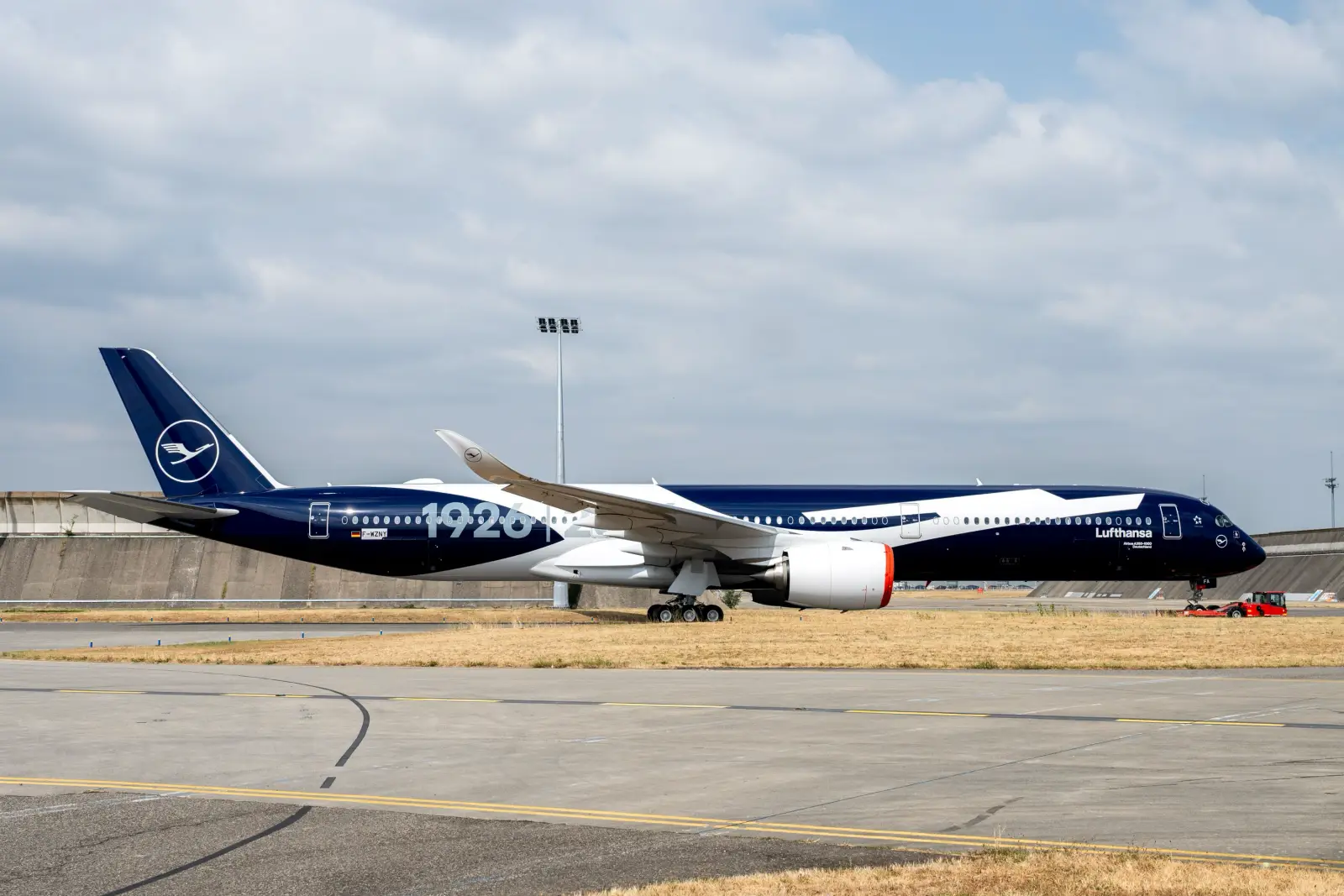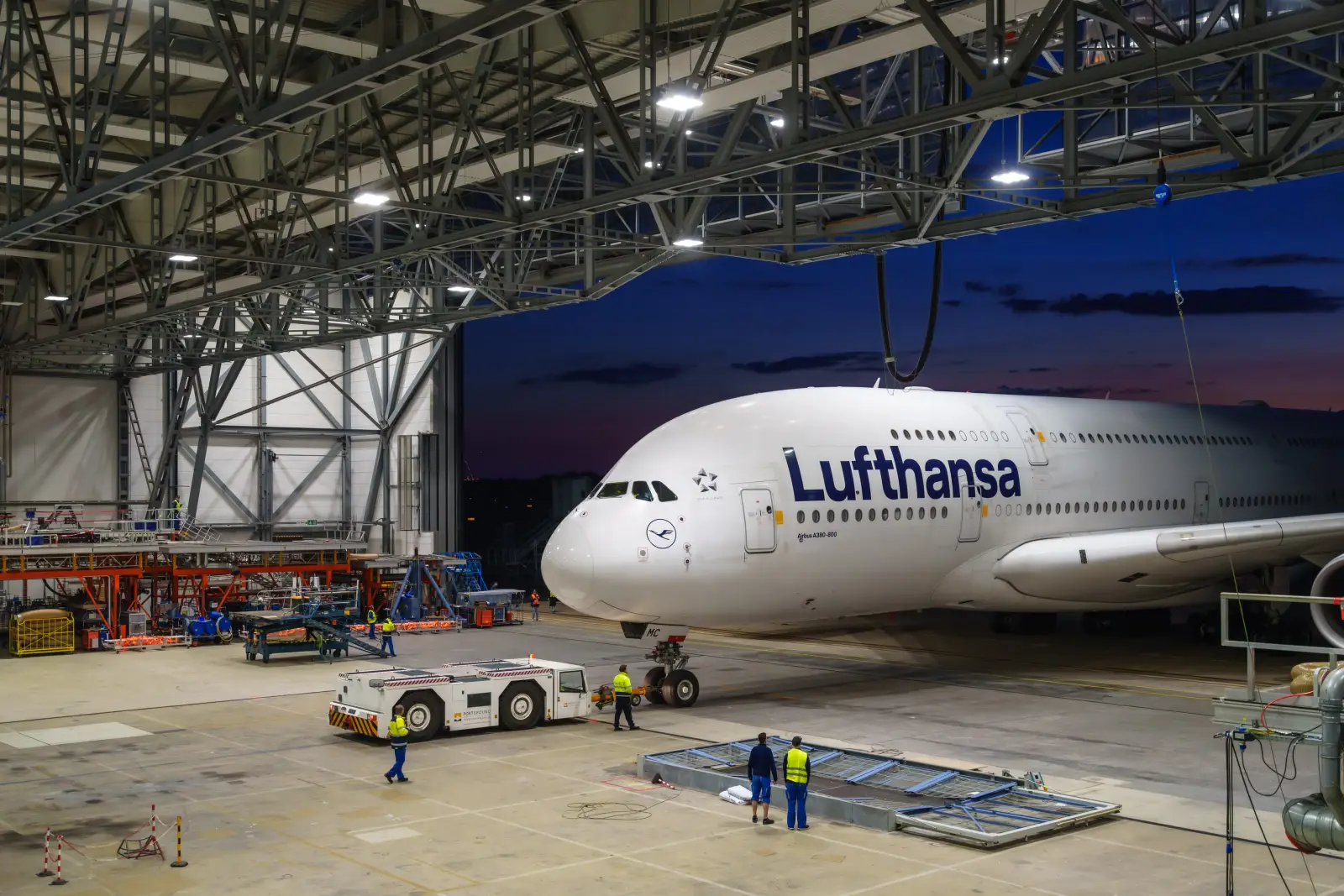
Some airports are already running out of jet fuel warned Carsten Spohr, CEO of Lufthansa, He revealed that one of the planes flying to Cape Town was unable to refuel on landing last week and had to fly 900 miles north to Namibia to fill up before returning to South Africa.
Lufthansa CFO Till Streichert said the airline is not facing imminent fuel shortages and should be secure until June. But if the conflict in the Middle East is not resolved and global supply runs low, he added, the carrier will have to consider new measures, including adding refuelling stops on certain connections, most likely to Asia and Africa.
The stops may be needed because destination airports could be depleted. Spohr noted that there are rare occasions when a destination airport runs out of fuel such as the case in Cape Town, making it necessary for flights to stop elsewhere.
The carrier is also considering loading up its aircraft with enough fuel for their outgoing and return journeys. This practice, known as tankering, is limited under European law, but Spohr said he will encourage regulators to temporarily ease those rules.
Lufthansa has already cut 20,000 short-haul flights from its summer timetable through to October and is grounding older aircraft.
In April, the carrier accelerated the shutdown of Munich-based Lufthansa CityLine in an effort to contain the subsidiary’s longstanding losses.
Two million airline seats cancelled in May
Globally, airlines have already cut two million seats from May’s schedules within the past two weeks.
The number of flights fell by more than 13,000 over the same period – from 859,167 to 846,162 – with Gulf airlines such as Qatar Airways, Etihad and Emirates worst hit by the war causing airspace closures and airport disruption, as well as rising fuel costs.
Now, the situation could worsen – with one expert saying 10 per cent of flights could be at risk in June if supplies continue to be squeezed, equating to about 85,000.
Price hikes hit the World Cup
There are also fears fans travelling to the World Cup could be hit by price hikes and travel uncertainty.
The threat of higher fares is another blow to fans who are already facing having their bank accounts clobbered by the ‘most expensive World Cup in history’.
Amid fears the crisis could hit fans travelling to North America for the World Cup FIFA are charging supporters up to $10,990 for the privilege of watching the World Cup final at the MetLife Stadium on Sunday, 19 July.
Meanwhile, hotel prices in host cities have been upped by as much as 300 per cent, while fares for a train from New York to the MetLife Stadium in New Jersey will cost $150 – up from the usual $12.90.