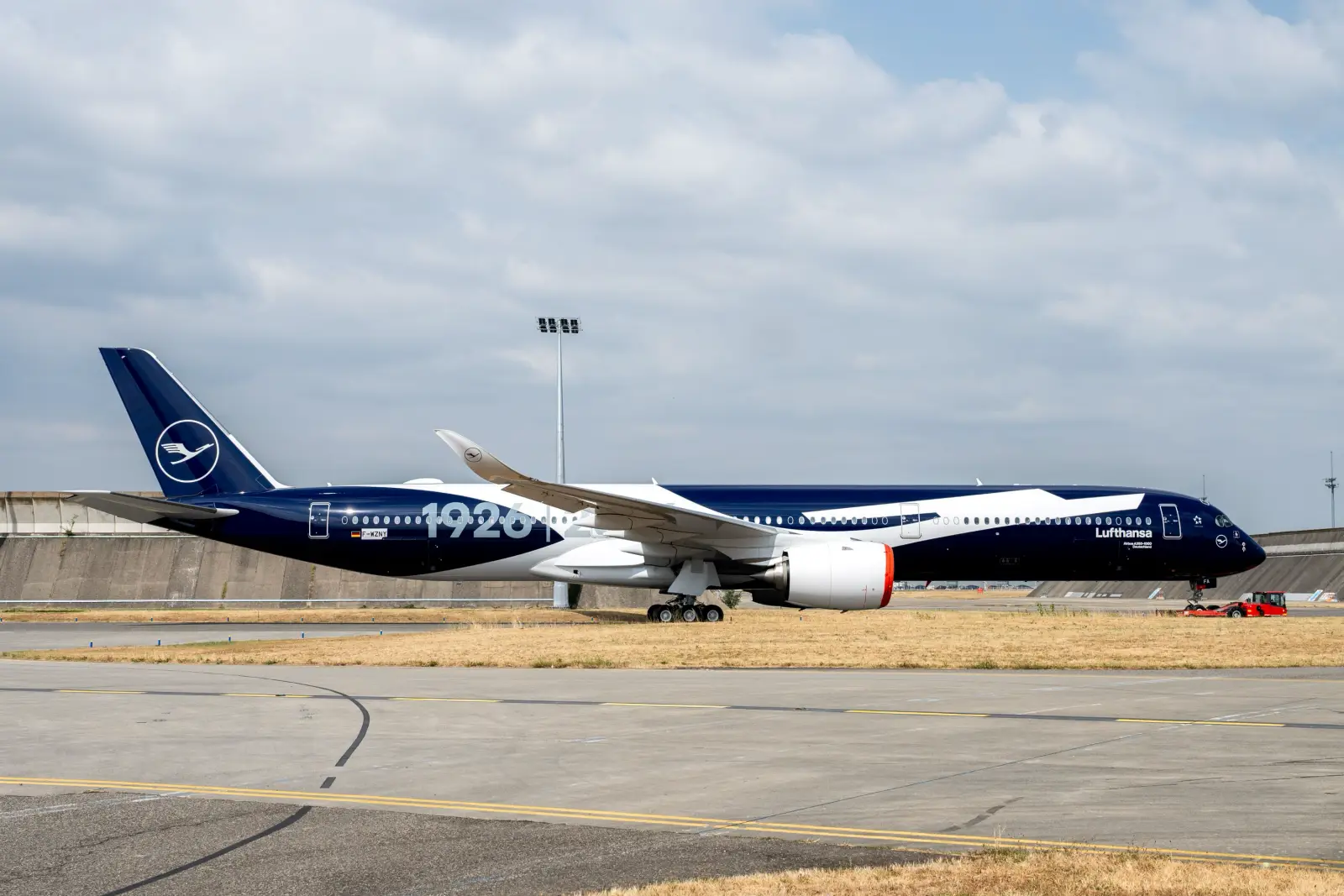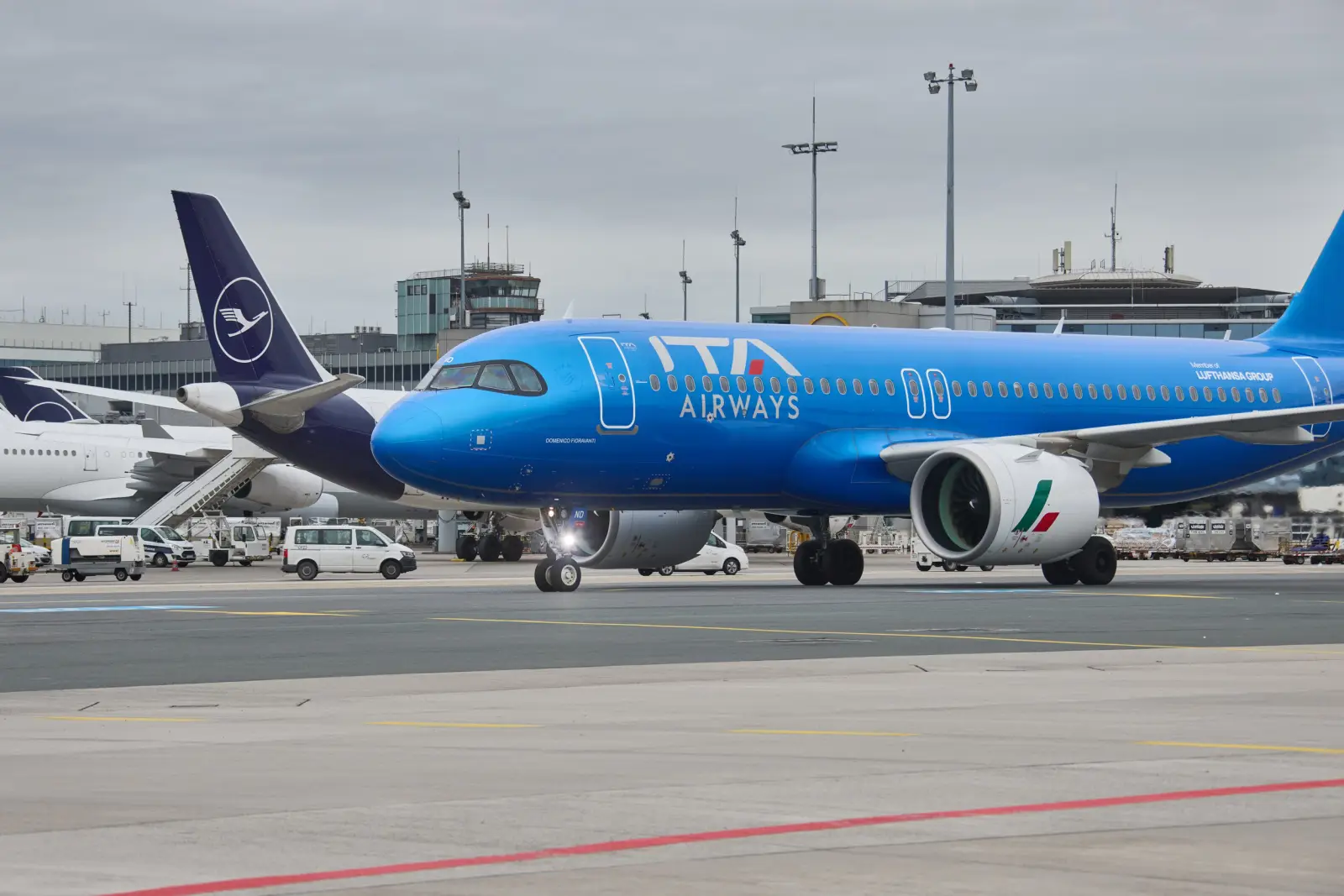
Lufthansa is preparing to ground up to 40 aircraft and cut as much as 5% of its total flight capacity as the ongoing Gulf War drives jet fuel prices to record highs and threatens kerosene availability at airports across Asia and Europe.
CEO Carsten Spohr acknowledged that the war’s impact has exceeded earlier expectations, warning staff that the airline faces a deepening operational and financial crisis. The Strait of Hormuz, a critical maritime passage for roughly 20% of global oil trade, has been largely blocked since late February, sending kerosene prices from approximately $0.50 per liter before the conflict to $1.20 per liter.
Europe’s largest airline group had budgeted €7 billion for fuel in 2026, with 80% hedged at fixed prices. The unhedged 20% — approximately €1.4 billion — could double to €2.8 billion if oil prices remain elevated. Fuel accounts for roughly 22% of Lufthansa’s total operating costs, meaning the surge threatens margins across passenger, cargo, and maintenance divisions alike.
Capacity Cuts and Fleet Decisions
Spohr outlined two contingency scenarios to staff: a near-term reduction of 20 aircraft, cutting seat capacity by 2.5%, or a more severe grounding of 40 aircraft, representing a 5% capacity reduction. The aircraft most likely to be retired early include older, less fuel-efficient models such as the Airbus A340-600, Boeing 747-400, and Canadair Regional Jets. Lufthansa had previously planned 4% capacity growth in 2026; Spohr indicated that target is now unlikely to be met.
Two internal teams have been assigned to develop cost-cutting proposals, with findings expected in May and implementation unlikely before the third quarter at the earliest. Short-time work arrangements across German operations are also under consideration, and the crisis may influence Lufthansa’s ongoing bid to acquire Portuguese carrier TAP, with final bids due from both Lufthansa and Air France-KLM by the end of this week.
Fuel Rationing Spreads Across Asian and European Hubs
Airports in Singapore, Bangkok, and several cities across India have already begun restricting additional flights to conserve fuel for existing routes, said Carsten Spohr, Chief Executive Officer, Lufthansa. European airports source around 40% of their kerosene from the Gulf region, and the near-total halt of tanker traffic from the area has made rationing a realistic near-term risk on the continent.
“Availability is already difficult at some airports in Asia,” said Grazia Vittadini, Head of Technology, IT and Innovation, Lufthansa, speaking to German newspaper Die Welt. “The longer the Strait of Hormuz is blocked, the more critical the supply situation can become.” Several Italian airports — including Bologna, Milan-Linate, Treviso, and Venice — have published advisories warning of limited fuel resupply, with current measures prioritising emergency medical and state flights.
Analysts at J.P. Morgan have forecast a critical oil shortage for Europe beginning April 10, the date on which the final shipments dispatched before the recent escalation in the region are expected to arrive. Markets in Asia and South Africa have already been experiencing supply shortfalls since the start of April.
Airlines operating routes between Europe and Asia are also burning additional fuel to avoid Gulf airspace restrictions — compounding existing diversions already in place over Russia and Ukraine — which increases both fuel consumption and crew costs on each flight. In the United States, Lufthansa’s Star Alliance partner United Airlines said it could also reduce seat capacity; United CEO Scott Kirby estimated that sustained increases in jet fuel prices could cost the carrier up to $11 billion in 2026.
Despite the mounting pressures, Spohr signalled that the crisis could ultimately accelerate a long-planned restructuring. The airline has been operating several hundred marginally profitable or loss-making flights to keep pilots employed; the current environment makes it significantly easier to retire unprofitable routes and aircraft ahead of schedule. Spohr said the arrival of more fuel-efficient aircraft and structural reforms could leave the airline stronger once the crisis subsides.