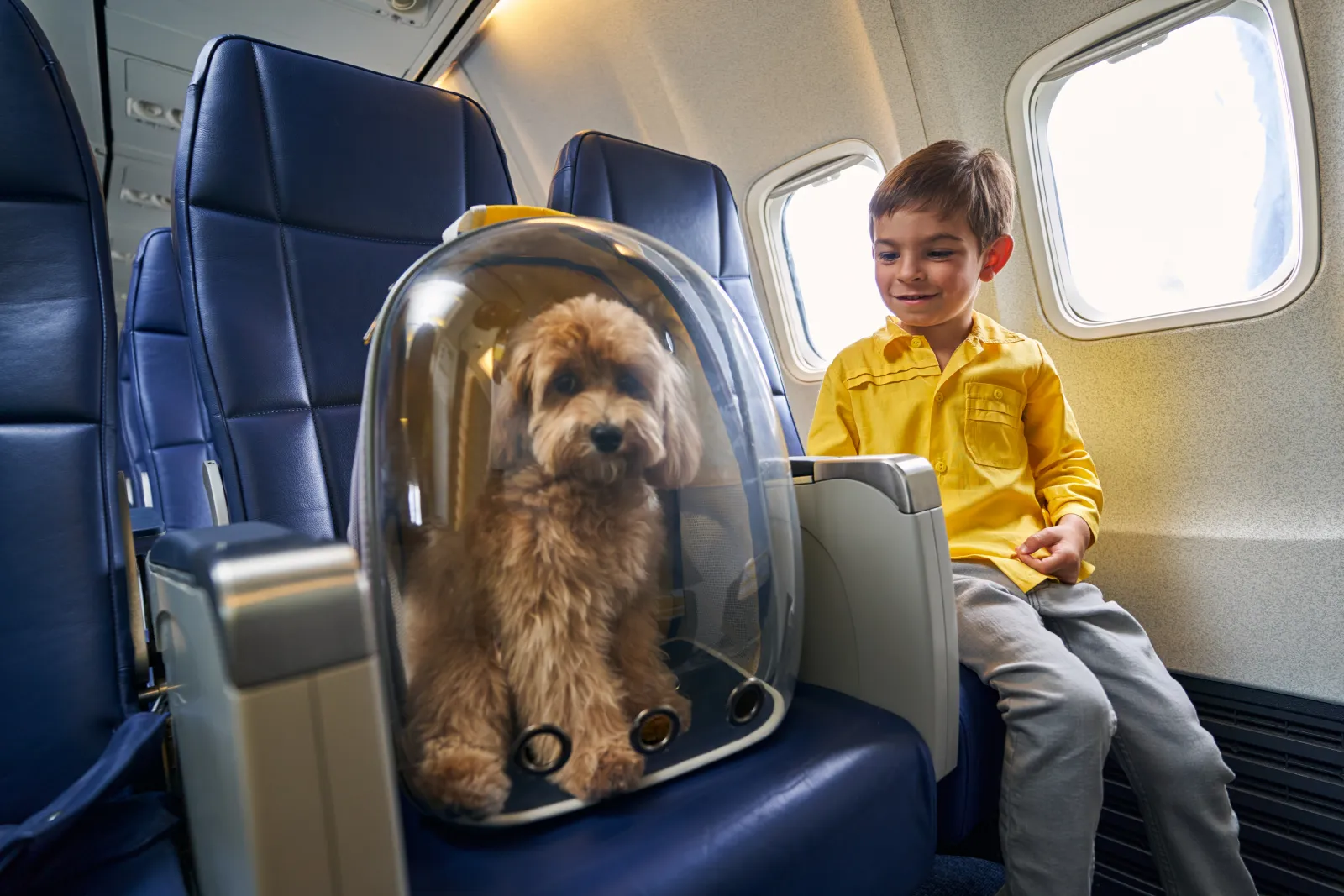
The European Union introduces stricter rules for travelling with pets, requiring all dogs and cats moving between member states to carry an individual European pet passport from April 22. The measure applies to non-commercial travel and aims to improve safety, health monitoring and oversight of animal movements across borders.
The new requirement comes as more pet owners travel with animals for holidays, relocations and family visits. Authorities say the updated framework will standardise rules across EU countries, strengthen health checks and help prevent illegal animal trafficking and document fraud.
The European pet passport is a comprehensive document that records key information about the animal. It includes the microchip number, the owner’s identity, vaccination history and details of veterinary treatments, all validated by an authorised veterinarian.
The regulation forms part of Regulation (EU) 2016/429, which has been updated to harmonise pet travel rules across the bloc. By aligning requirements, the EU aims to close gaps between national systems that could be exploited for illegal activities involving animals.
Health control is another central element of the new rules. Authorities will be able to verify more easily that animals meet health requirements before travel, reducing the risk of diseases spreading between animals and, in some cases, to humans.
In Spain, the impact is expected to be limited, as most dogs and cats already have a pet passport issued by veterinary clinics when they are microchipped, a legal requirement in the country. However, pet owners are still advised to check all conditions before travelling.
Among the key requirements is a valid rabies vaccination, which must be administered at least 21 days before travel. Animals must also undergo deworming treatment shortly before departure, be at least 12 weeks old and be certified by a veterinarian as fit to travel.
The EU says the updated rules reflect the growing trend of pet travel across Europe and are designed to ensure safer, more transparent and more consistent conditions for both animals and their owners.