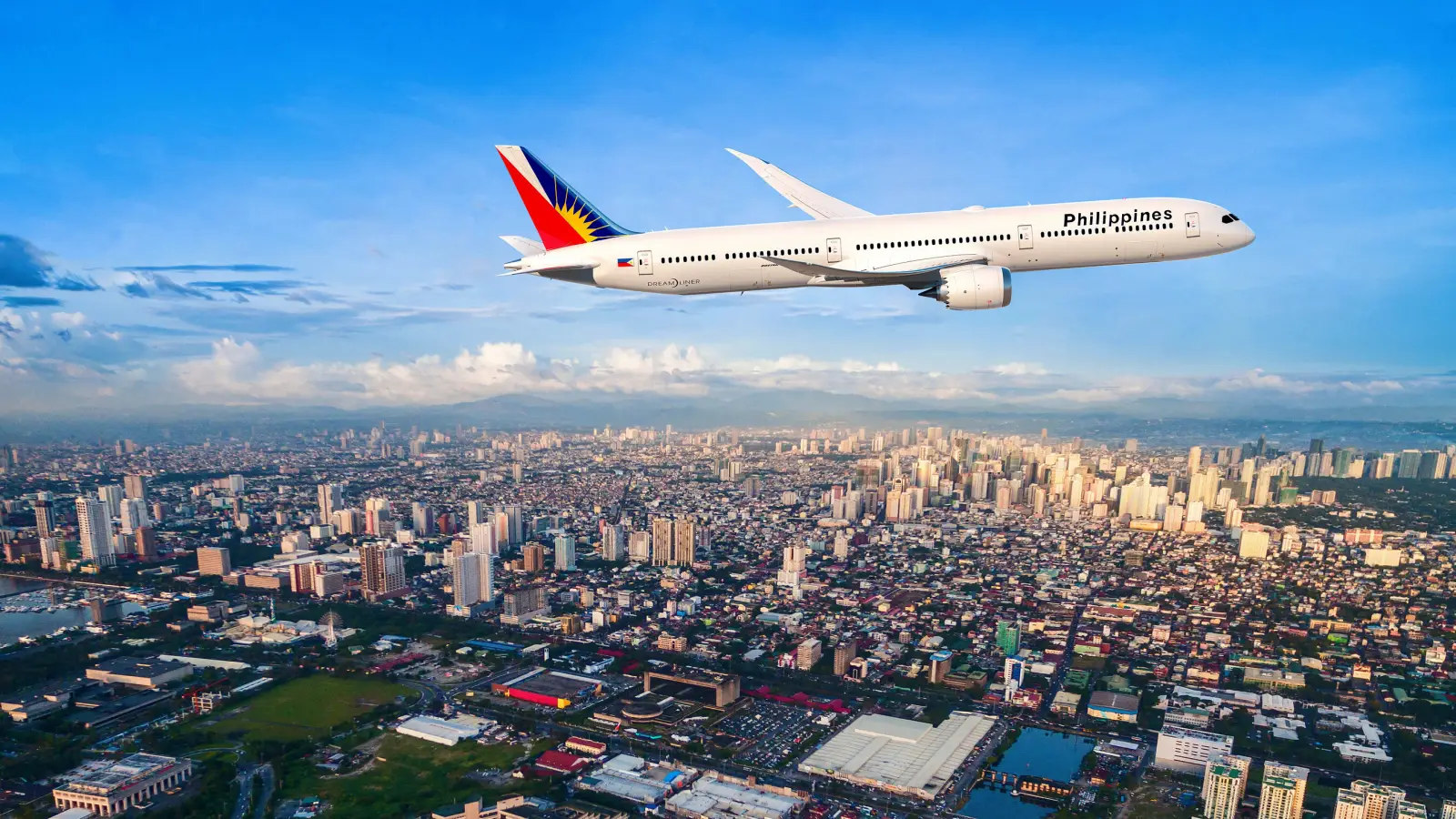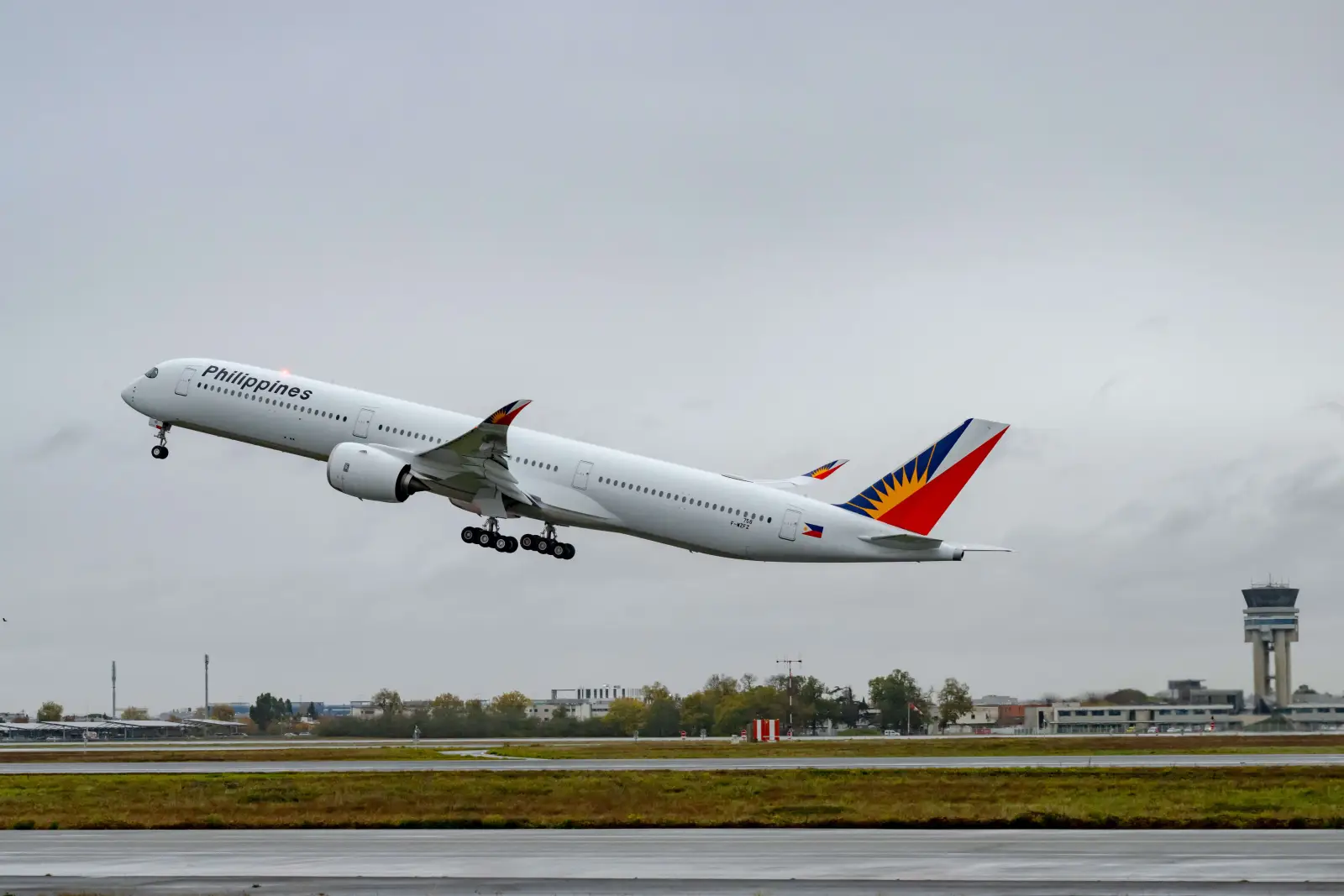
Philippine Airlines has taken delivery of its first Airbus A350-1000, marking a major step in its plans to operate longer non-stop flights between the Philippines and North America.
The aircraft was handed over in Toulouse, France, and makes the flag carrier the 10th airline worldwide to fly the largest variant of Airbus’s A350 family. Configured in a three-class layout with 382 seats, the new jet is designed for long-haul routes across the Pacific.
The delivery is the first of nine A350-1000 aircraft that Philippine Airlines will receive as part of a wider fleet expansion programme. The airline plans to deploy the jet on transpacific services, expanding capacity and enabling new non-stop connections to major destinations in the United States. The aircraft joins the airline’s existing A350-900 fleet already serving long-haul routes.
A new flagship for transpacific travel
For travellers, the arrival of the A350-1000 signals a shift in how Philippine Airlines approaches its longest routes. The aircraft is currently the largest and longest-range model in the A350 family, built specifically for intercontinental flights that demand both efficiency and comfort. Its extended range allows airlines to fly further without stopping, a key advantage on Pacific crossings where non-stop services are increasingly popular with passengers.
Philippine Airlines has positioned the A350-1000 as a cornerstone of its future US network. By adding a larger and more capable aircraft, the airline can increase seat capacity while maintaining non-stop schedules, reducing travel time and avoiding layovers. For many passengers travelling between Southeast Asia and North America, this translates into fewer connections and a more straightforward journey.
The aircraft’s 382-seat configuration reflects a premium-focused approach to long-haul flying. While details of cabin layouts and onboard amenities were not disclosed, the three-class setup typically balances business, premium economy and economy cabins. This allows the airline to cater to a broad range of travellers, from business passengers seeking comfort on ultra-long flights to leisure travellers looking for competitive fares.
The addition of the A350-1000 also strengthens the airline’s operational resilience on long routes. Larger aircraft offer flexibility during peak travel periods, while modern systems improve reliability on flights that can last more than 12 hours. For an airline operating across vast ocean distances, these factors play a crucial role in maintaining punctuality and customer satisfaction.
Efficiency, sustainability and the passenger experience
The A350 is widely regarded as one of the most technologically advanced widebody aircraft currently in service. Its design combines advanced aerodynamics, lightweight materials and new-generation engines, all aimed at reducing fuel consumption. Compared with older aircraft of a similar size, the A350 delivers a 25 per cent reduction in fuel burn, operating costs and carbon dioxide emissions.
This efficiency is particularly important on long-haul routes, where fuel accounts for a significant share of operating expenses. For airlines, lower fuel burn can help manage costs in an industry exposed to fluctuating fuel prices. For passengers, it supports the long-term viability of non-stop routes that might otherwise be difficult to sustain.
Sustainability is also part of the aircraft’s appeal. Like all Airbus aircraft currently in production, the A350 is capable of operating with up to 50 per cent Sustainable Aviation Fuel. Airbus has set a target for its aircraft to be capable of flying on up to 100 per cent SAF by 2030, aligning with industry-wide efforts to reduce aviation’s environmental impact.
Inside the cabin, the A350 is designed to make long journeys more comfortable. The Airspace cabin features higher ceilings, wider seats and ambient lighting intended to reduce fatigue on extended flights. Improved air quality and lower cabin noise levels are also central to the aircraft’s design, creating a quieter and more relaxed environment for passengers spending many hours in the air.
For Philippine Airlines, these features support a broader strategy to enhance the overall travel experience while expanding long-haul capacity. The A350-1000 complements the airline’s existing A350-900 fleet, allowing it to standardise operations while deploying different variants depending on route demand. This approach helps streamline maintenance and training while offering flexibility across the network.
The delivery comes at a time when global demand for long-haul travel continues to recover, particularly on routes linking Asia and North America. At the end of November 2025, the A350 family had secured nearly 1,500 orders from 66 customers worldwide, underlining its popularity among airlines planning for the next generation of long-distance travel.
As Philippine Airlines prepares to introduce its remaining A350-1000 aircraft over the coming years, travellers can expect to see gradual changes across its Pacific services. Longer non-stop routes, increased capacity and a renewed focus on comfort suggest that the airline is betting on modern aircraft to compete in one of the world’s most demanding long-haul markets.
Photo credit: Airbus SAS 2025