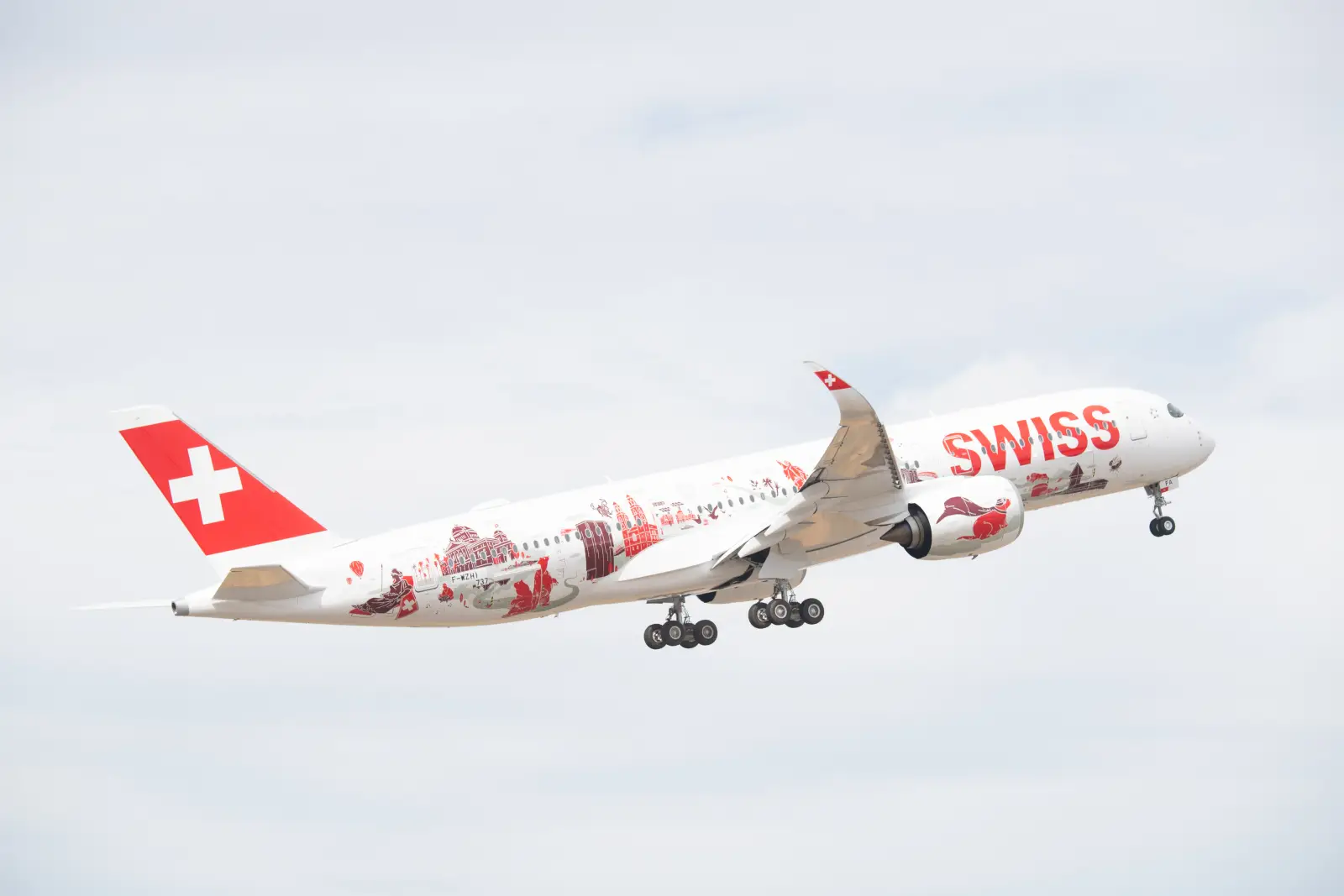
Swiss International Air Lines (SWISS), a member of the Lufthansa Group, has taken delivery of its first Airbus A350-900, marking a significant step in the airline’s long-haul fleet renewal programme. The new aircraft will serve as the carrier’s flagship, supporting operations from Zurich on key intercontinental routes, including its initial deployment to Boston.
The delivery represents the first of ten A350-900s ordered by SWISS as part of its strategy to modernise its widebody fleet and enhance efficiency across long-haul operations. The airline plans to use the next-generation aircraft to replace older models while improving passenger comfort and reducing environmental impact. The aircraft was handed over during a delivery ceremony in Toulouse, France, attended by representatives from SWISS and Airbus.
New Generation Flagship with SWISS Senses Cabin
The A350-900 introduces the airline’s new “SWISS Senses” cabin concept, designed to offer a more personalised and comfortable experience across all classes. The aircraft features a four-class configuration, including up to four suites in First Class, 45 seats in Business, 38 in Premium Economy, and 156 in Economy. The design incorporates warm tones, ambient lighting, and ergonomic seating layouts aimed at improving well-being on long-haul flights.
The new flagship aircraft is equipped with the latest-generation Airspace cabin by Airbus, featuring wider seats, higher ceilings, and advanced lighting designed to reduce jet lag and enhance passenger comfort. The A350’s quiet cabin environment further contributes to a more relaxed travel experience, while upgraded air filtration systems ensure improved air quality throughout the flight.
“The A350-900 will redefine our long-haul experience and set new benchmarks in comfort and efficiency for our passengers,” said Swiss International Air Lines in a statement. “It will play a central role in our sustainability efforts and in offering a premium experience that reflects the SWISS brand.”
Efficiency and Environmental Performance
The Airbus A350-900 is one of the most fuel-efficient widebody aircraft in operation. Its lightweight structure, new-generation Rolls-Royce Trent XWB engines, and advanced aerodynamics contribute to a 25 percent reduction in fuel burn, operating costs, and carbon dioxide (CO₂) emissions compared with older aircraft models. The A350’s design also reduces noise emissions, supporting quieter airport operations and compliance with global environmental standards.
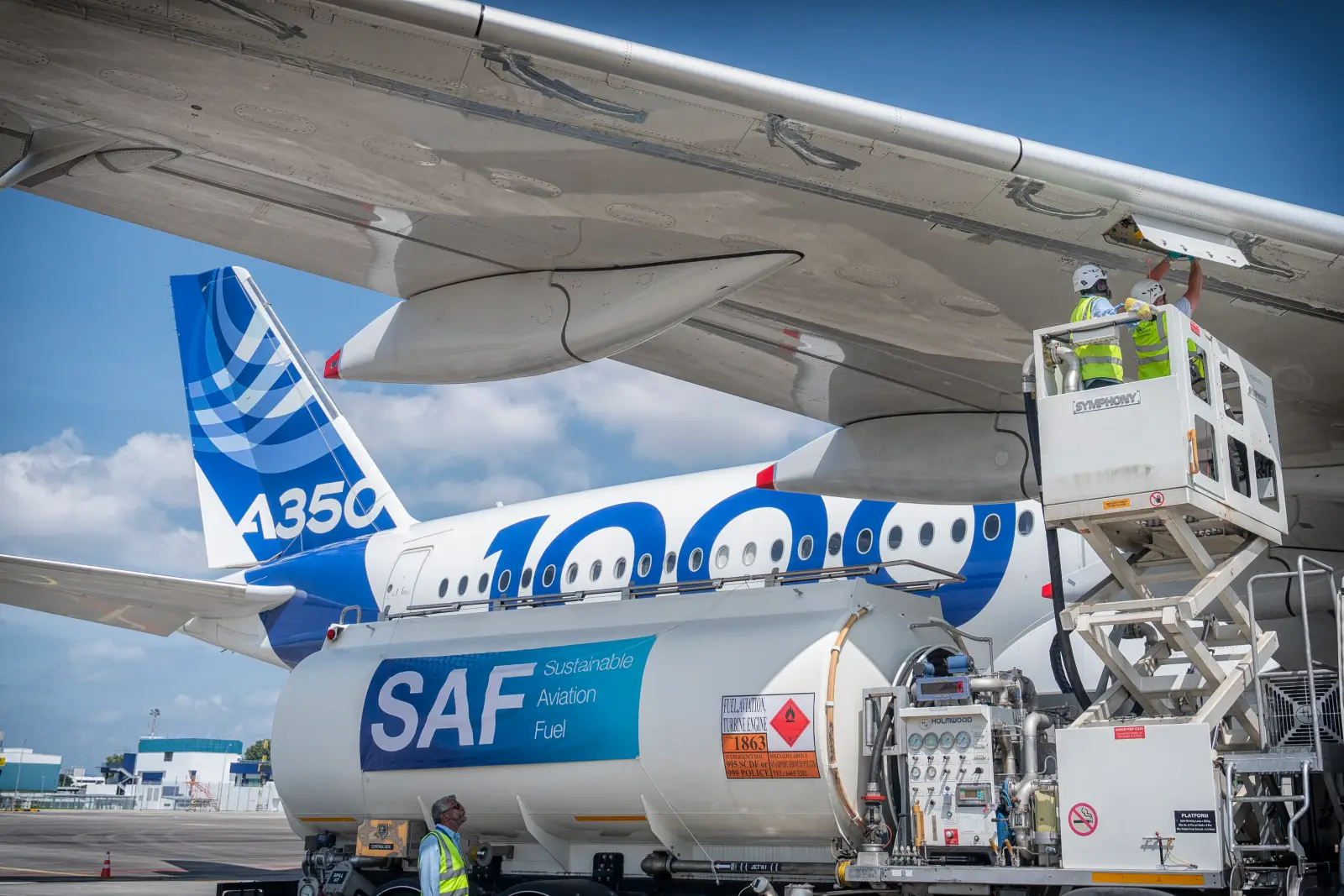
Airbus reports that the A350 is capable of operating with up to 50 percent Sustainable Aviation Fuel (SAF) today, with a goal of becoming 100 percent SAF-capable by 2030. This capability aligns with SWISS and the Lufthansa Group’s commitment to reducing lifecycle emissions and investing in sustainable fuel technologies as part of their broader decarbonisation strategy.
The A350-900 will also contribute to the airline’s long-term fleet simplification and cost efficiency goals. Its range and fuel economy make it suitable for transatlantic and Asia-Pacific operations, while commonality within the Lufthansa Group’s Airbus fleet will enhance training and maintenance synergies.
Fleet Modernisation and Market Growth
SWISS is positioning the A350-900 as a cornerstone of its future growth strategy, complementing ongoing fleet renewal efforts across the Lufthansa Group. The introduction of the aircraft comes amid a steady rebound in long-haul air travel and increased demand for more sustainable, next-generation aircraft. The airline’s decision to invest in the A350 follows a global trend among major carriers seeking to modernise fleets with fuel-efficient, passenger-focused widebodies.
The A350-900’s introduction strengthens SWISS’s position within the European long-haul market and enhances Zurich’s role as a major intercontinental hub. The aircraft will initially serve routes to North America, with Boston confirmed as one of the first destinations. Additional deployments are expected to follow as more aircraft join the fleet through 2026 and beyond.
According to Airbus, the A350 programme continues to gain momentum globally, with more than 1,400 orders placed by 63 customers as of the end of September 2025. The aircraft family, which includes the A350-900 and the larger A350-1000, is widely used by international airlines seeking to reduce emissions while maintaining long-range performance.
“The A350 is the world’s most modern widebody aircraft and has set new standards for intercontinental travel,” Airbus said in its announcement. “Its new-generation engines and use of lightweight materials bring a 25 percent advantage in fuel burn, operating costs and CO₂ emissions, compared to previous-generation competitor aircraft.”
Passenger Comfort and Connectivity
Onboard, passengers can expect advanced inflight technology, including improved cabin connectivity and entertainment systems across all classes. The SWISS Senses design enhances privacy in premium cabins, while Business Class includes sliding doors for suites and direct aisle access. Premium Economy offers upgraded legroom and seating comfort, reflecting growing demand for mid-tier travel options.
The introduction of SWISS’s A350 fleet marks a pivotal step in the airline’s sustainability and service evolution strategy. The carrier continues to focus on improving fuel efficiency, reducing noise, and introducing more digital and customer-centric enhancements across its network. As the A350 enters service, it will gradually replace older long-haul models, allowing SWISS to reduce its environmental footprint while expanding global reach.
With its first Airbus A350-900 now in service preparation, SWISS joins other Lufthansa Group airlines—such as Lufthansa, Austrian Airlines, and Brussels Airlines—in integrating the type into their operations. The aircraft will become a visible symbol of the group’s broader investment in sustainable aviation technology and innovation.
For Airbus, the delivery strengthens its partnership with European carriers and reinforces the A350 family’s reputation as a leading aircraft for global long-haul operations. As airlines worldwide accelerate fleet renewal plans to meet efficiency and emissions targets, the A350 continues to play a central role in shaping the next generation of intercontinental air travel.
Photo © Airbus SAS 2025