Severe storms and flash flooding disrupted road and air travel across the Dallas–Fort Worth region on March 5 after heavy rainfall inundated highways, stranded vehicles and raised the risk of flight delays at one of the busiest aviation hubs in the United States.
Authorities issued flash flood warnings across parts of North Texas as thunderstorms moved through the region, bringing several inches of rain and forcing road closures across Dallas County and nearby cities.
The storms are part of a broader severe weather system affecting the central United States, with meteorologists warning that additional rainfall, damaging winds and possible tornadoes could follow. Transportation officials and emergency services reported flooded highways, traffic disruptions and hazardous driving conditions across the Dallas metropolitan area while airlines monitored potential delays at Dallas–Fort Worth International Airport.
Flooded highways disrupt road travel
Flash flooding affected multiple roadways across Dallas and surrounding communities as heavy rainfall accumulated in low-lying areas and drainage systems overflowed. Authorities reported water rescues after vehicles became trapped in rising floodwaters in several locations.
Parts of Interstate 20 and other major routes experienced flooding during the storms, forcing drivers to slow traffic or avoid certain corridors altogether. Local officials warned motorists not to drive through standing water, which can hide submerged hazards and strong currents.
Eastbound lanes of U.S. Highway 80 near the city of Forney were closed after pooled water covered the roadway and vehicles became stranded. Traffic cameras and local media reports showed cars partially submerged as emergency crews worked to clear the route.
Additional flooding was reported in suburbs including Mesquite and Rowlett as the storms moved through the Dallas metropolitan area. Emergency responders conducted water rescues after drivers attempted to cross flooded streets.
Transportation authorities advised residents and travelers to monitor road conditions before driving, particularly during periods of heavy rainfall when flash flooding can develop rapidly.
Air travel disruptions possible at major hub
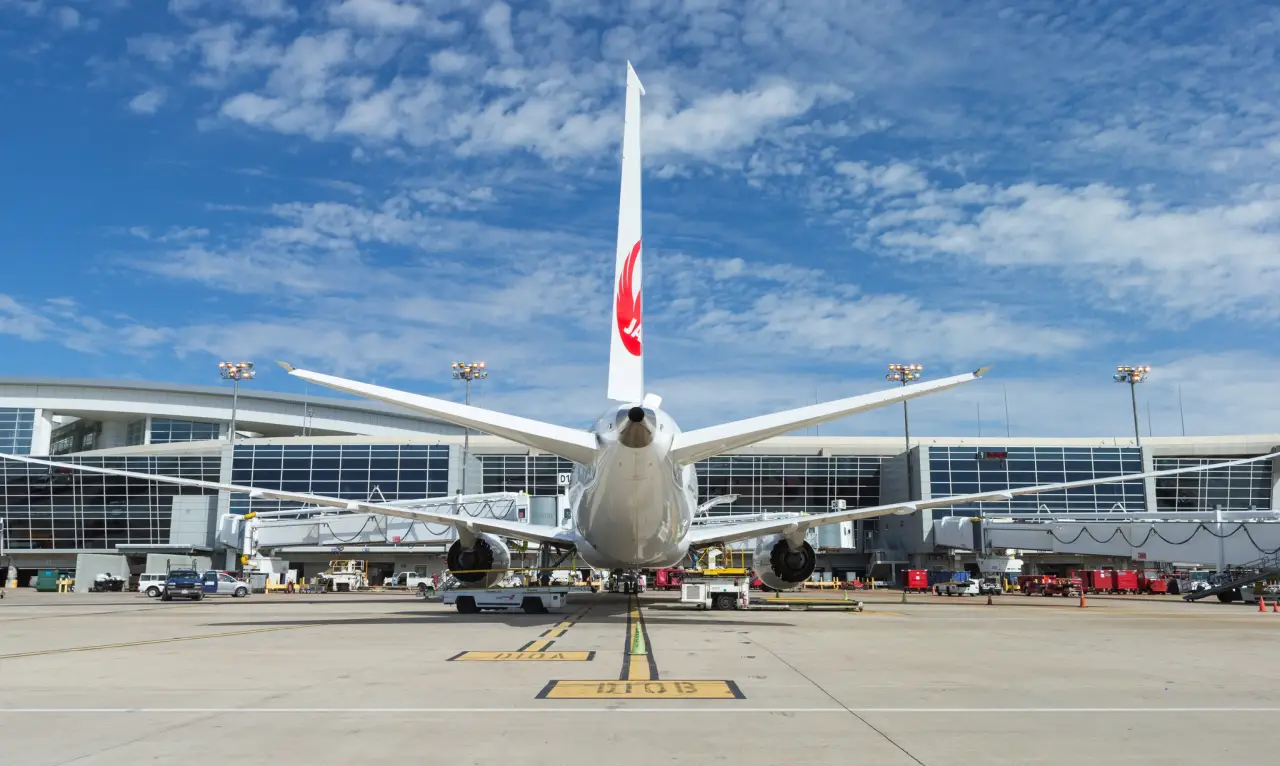
The storms also raised concerns about disruptions to air travel at Dallas–Fort Worth International Airport, one of the largest airline hubs in North America. Severe weather in the region can affect aircraft arrivals and departures, causing delays that ripple across the national aviation network.
Airlines operating through Dallas–Fort Worth and Dallas Love Field monitored the storm system as it passed through North Texas. Thunderstorms, heavy rain and strong winds can force air traffic controllers to reduce runway operations or temporarily halt flights for safety reasons.
Dallas–Fort Worth International Airport serves as a key hub for domestic and international flights, connecting travelers across the United States and to destinations worldwide. Disruptions at the airport can affect flight schedules across multiple airline networks.
The storms followed a day of heavy rainfall that set a daily precipitation record at Dallas–Fort Worth International Airport earlier in the week. Meteorologists recorded more than an inch of rain in a single day, surpassing a previous record that dated back decades.
Weather forecasters warned that additional rounds of storms could affect North Texas in the coming days as the broader system moves east across the central United States. The same system has prompted severe weather alerts in multiple states due to the risk of tornadoes, large hail and damaging winds.
Authorities across Texas urged residents and travelers to remain alert to rapidly changing weather conditions, particularly in areas prone to flash flooding. Emergency officials said even small amounts of moving water can sweep vehicles off roadways and create dangerous conditions for drivers.
The Dallas–Fort Worth metropolitan area is one of the largest transportation hubs in the United States, with extensive highway networks and two major commercial airports serving tens of millions of passengers each year. Severe weather events in the region often affect both local transportation and broader national travel networks.
Photo Credit: max.ku / Shutterstock.com