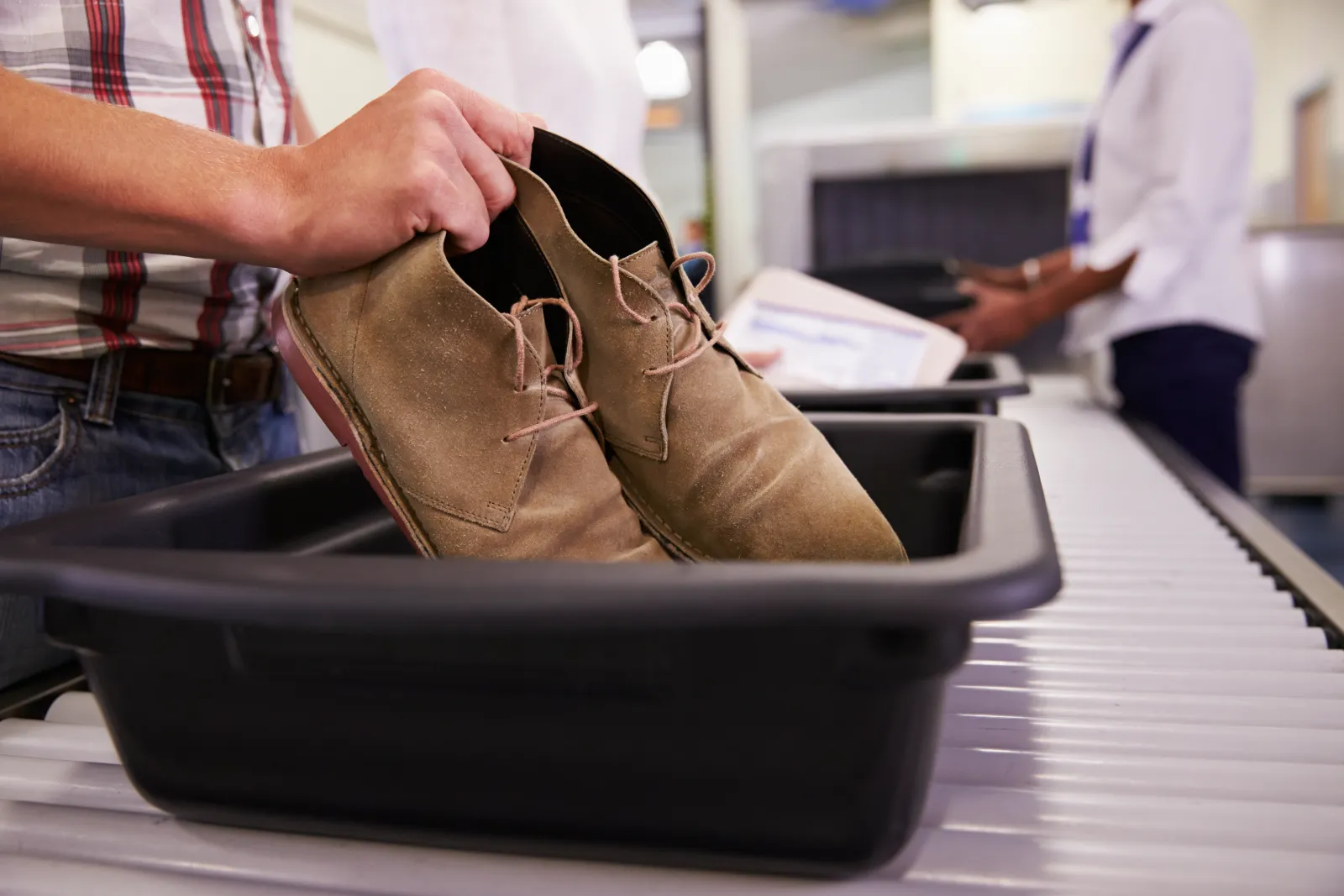
Good news for travelers heading through American airports: the TSA is ending its long-standing shoes-off requirement at security checkpoints. For nearly two decades, this rule added time and hassle to airport lines, but new screening technology now promises the same safety with less inconvenience—a small but meaningful improvement for smart, prepared travelers looking to make their journey smoother.
For many, removing shoes at security was the most frustrating part of flying, a routine that felt unnecessary and time-consuming. The policy dated back to 2006, when the TSA introduced it following the attempted attack by Richard Reid, the so-called “shoe bomber.” It was one of many security measures layered on in the post-9/11 years, designed to address real threats but creating bottlenecks at airports across the United States. Now, with better technology in place, the TSA says it’s time to modernize this process and keep things moving.
Streamlining Security Without Sacrificing Safety
Department of Homeland Security Secretary Kristi Noem announced the change this week, promising that it will help shorten wait times at TSA checkpoints. She explained that while the general shoes-off requirement is ending, travelers should know that officers may still ask individuals to remove their shoes if extra screening is needed. In other words, it’s not a free pass for everyone every time—but it does eliminate the universal rule that added stress for most travelers.
New screening equipment can now detect explosives and banned items without needing people to untie their shoes or balance on one foot. These systems use advanced imaging and trace detection technology to identify threats more reliably and efficiently. It’s a shift toward smarter, risk-based security that tailors the process to actual threats rather than blanket rules for everyone.
More than a billion passengers traveled through U.S. airports in 2023 alone. Even small improvements in efficiency can make a big difference. Cutting just a few seconds from each passenger’s screening time can mean shorter lines, fewer missed flights, and a more relaxed atmosphere throughout the airport.
How PreCheck Still Matters
Many travelers might wonder what this means for TSA PreCheck, the trusted traveler program that’s offered faster screening since 2013. PreCheck members have long enjoyed the perk of keeping their shoes on, along with belts and jackets, and leaving laptops and liquids in their bags. Secretary Noem emphasized that these benefits remain important and will continue to make PreCheck worthwhile for frequent flyers.
Travelers with PreCheck can expect their lines to remain even faster, while the end of the shoes-off rule should improve the experience in standard lanes. For those who fly often, the value of predictability and less hassle will still make PreCheck a smart investment. And remember, kids under 12 and adults 75 and older were already exempt from removing their shoes—so the new policy simply brings everyone else closer to those exemptions.
This layered approach is key to how TSA plans to maintain security without the hassle. Officers can focus on potential risks rather than applying the same rules to every passenger. It’s a more sensible way to keep us safe while respecting travelers’ time and comfort.
Technology’s Role in Changing Travel
For years, the TSA has been moving toward more sophisticated, less intrusive security processes. 3D computed tomography scanners, advanced imaging technology, and chemical trace detectors make it possible to spot hidden threats without disrupting every traveler. This change is just one part of a larger shift toward smarter security that balances safety with convenience.
Passengers will still clear identity verification and Secure Flight vetting before they even reach the checkpoint. By layering these systems—vetting passengers in advance, screening bags with new scanners, and using chemical detection—TSA can maintain high security standards while making the physical screening process smoother. The goal isn’t to lower the bar on safety but to tailor it intelligently to risk.
For travelers, that means less time fumbling with shoes and more time to get to your gate, grab a coffee, or simply relax. For families with young kids, older travelers, and those with mobility issues, it’s a small but welcome change that makes the airport feel a little more navigable.
Airport and Airline Benefits
Airports themselves stand to gain from the policy shift. Fewer delays at security mean smoother operations overall, with less congestion at checkpoints and better passenger flow throughout terminals. Airports can use these efficiencies to improve other services, whether that’s better signage, cleaner facilities, or more staff helping travelers find their way.
Airlines will benefit as well. Faster security screening reduces the chance of missed flights or delayed boarding. Passengers arriving at the gate less frazzled are more likely to be in a good mood, ready to start their journey. And, of course, smoother experiences make customers more likely to choose air travel in the first place, supporting the entire industry’s recovery from the pandemic’s challenges.
Even retail and dining outlets in airports stand to benefit. When travelers spend less time waiting in line, they have more time—and more inclination—to shop, dine, or grab a snack. That supports local jobs and adds to the overall airport economy.
What Travelers Should Expect Next
While the end of the shoes-off rule is welcome news, it doesn’t mean security screening is going away. Passengers will still need to clear identification checks, have their bags screened, and follow other TSA rules. Officers will retain the authority to require shoe removal when needed, especially in cases where additional screening is called for.
For now, the policy change reflects a move toward smarter, risk-based screening that matches the technology and threats of today. Instead of one-size-fits-all rules, TSA can focus on those who pose genuine risks while making life easier for the majority of travelers who don’t.
It’s also a sign of more changes to come. As screening technology improves, travelers can expect further streamlining, from faster lines to biometric ID checks and automated lanes. The goal is a safer, more convenient airport experience that keeps pace with the expectations of modern travelers.
For those planning trips, it’s one less thing to worry about: no more rushing to untie your shoes while juggling bags, kids, or boarding passes. A small change? Maybe. But for anyone who’s traveled through U.S. airports in the last twenty years, it feels like progress.
Photo Credit: Monkey Business Images / Shutterstock.com