The U.S. Transportation Security Administration is expanding its TSA PreCheck Touchless ID program to dozens of additional airports, with deployments scheduled to begin in 2026 and reach up to about 65 U.S. airports by spring 2026.
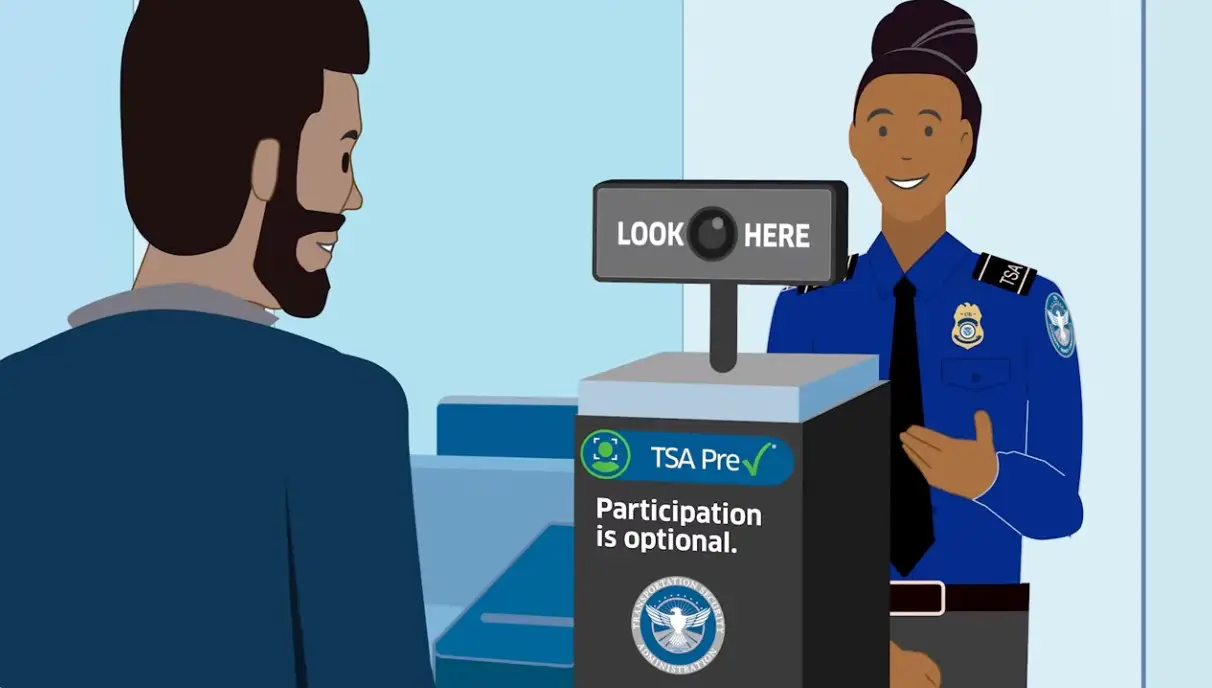
The expansion adds roughly 45 new locations to the biometric identity verification program, allowing eligible passengers to verify their identity via facial recognition without presenting a physical ID or boarding pass at participating security checkpoints.
The rollout aims to increase checkpoint throughput and reduce identity verification time, which the agency estimates can take about 10 seconds or less per passenger in Touchless ID lanes. The expansion will extend beyond the largest hub airports to include a mix of regional and medium-sized airports, broadening access to the technology across multiple U.S. travel markets.
Nationwide expansion of biometric screening
TSA currently operates Touchless ID at a limited number of major airports, primarily in high-volume hubs where passenger flows benefit most from faster identity verification. The upcoming phase adds approximately 45 new airports, bringing the total footprint to as many as 65 locations nationwide once deployment is complete in 2026.
The technology integrates biometric facial matching with airline reservation data and TSA PreCheck eligibility records. Participating passengers opt in through airline or trusted traveler profiles, allowing the system to confirm identity at the checkpoint without manual document inspection. The process does not eliminate physical screening requirements, but it replaces the document check step for eligible travelers in designated lanes.
Initial expansion markets include airports across California, Texas, Florida, the Northeast, and the Midwest. Among the airports expected to gain Touchless ID capability are Miami International Airport, Orlando International Airport, San Jose Mineta International Airport, Washington-area airports, and selected secondary hubs that support high volumes of domestic travel. The full list of participating airports will be finalized as infrastructure readiness, vendor installation schedules, and local operational approvals are completed.
According to industry reporting, the expansion supports TSA’s broader modernization strategy, which prioritizes automation, biometric identity verification, and digital credential integration to manage long-term passenger growth. The program aligns with other initiatives under the agency’s technology roadmap, including computed tomography scanners, automated screening lanes, and digital identity pilots.
More information on TSA PreCheck eligibility and enrollment is available through the agency’s official site at https://www.tsa.gov/precheck. or watch TSA’s video on YouTube for the Touchless ID program.
Operational impact for airports and airlines
The expansion requires coordination among TSA, airport authorities, airlines, and biometric technology vendors. Airports must modify checkpoint layouts, install camera systems and network infrastructure, and integrate the biometric platform with existing passenger flow systems. Airlines participating in the program enable passengers to opt in through loyalty accounts or mobile applications, linking biometric credentials to confirmed reservations.
Major U.S. carriers participating in the Touchless ID ecosystem include American Airlines, Alaska Airlines, Delta Air Lines, Southwest Airlines, and United Airlines. These carriers support enrollment through digital channels and provide passenger data connections that allow identity matching at TSA checkpoints. Airline participation is essential for scaling the program because biometric verification relies on accurate reservation and traveler profile data.
For airport operators, the primary benefit is throughput optimization at peak periods. Faster identity verification reduces congestion at document check podiums and improves lane utilization, particularly during morning departure banks and holiday travel peaks. Airports with constrained terminal footprints can gain incremental capacity without major construction by reallocating staffing and lane resources.
From a staffing perspective, Touchless ID does not eliminate the need for Transportation Security Officers but allows them to focus on screening functions rather than document inspection. TSA continues to maintain manual identity verification as a fallback option for passengers who choose not to opt in, encounter biometric mismatches, or travel on airlines that have not enabled the service.
Privacy safeguards remain a central operational consideration. TSA states that biometric images used for Touchless ID are typically deleted after identity verification for most passengers and that participation is voluntary. Travelers can decline biometric processing and proceed through standard identity verification without penalty. The agency also publishes privacy impact assessments and system-of-record notices to document data handling practices.
Travel industry groups view the expansion as part of a broader shift toward digital identity in aviation, which includes mobile driver’s licenses, biometric boarding gates, and paperless travel initiatives. While Touchless ID currently applies only to TSA PreCheck passengers at select U.S. airports, similar biometric programs operate in international markets for border control and airline boarding processes.
Implementation timelines will vary by airport based on construction schedules, vendor availability, and local testing requirements. TSA expects phased activations throughout 2026 rather than a single nationwide launch date. Airports with existing biometric infrastructure may activate earlier, while new installations could extend into late 2026 depending on permitting and integration complexity.
The expansion also reflects projected growth in U.S. air travel volumes. Industry forecasts anticipate continued increases in domestic passenger traffic over the next decade, placing pressure on checkpoint capacity and staffing models. Automation and biometric tools are positioned as scalable solutions to maintain throughput without proportional increases in labor and physical infrastructure.
For travelers, Touchless ID provides a streamlined experience limited to participating airports, airlines, and TSA PreCheck lanes. Passengers must still comply with standard screening requirements for carry-on items, liquids, electronics, and prohibited items. The technology affects only the identity verification step of the security process.
As deployment expands, TSA plans to monitor system performance, passenger adoption rates, privacy compliance, and operational reliability. Feedback from airports and airlines will inform future phases, including potential expansion beyond PreCheck lanes or integration with additional digital identity credentials.
The 2026 rollout positions Touchless ID as one of the largest biometric implementations in U.S. aviation security to date. If adoption targets are met, a majority of high-volume U.S. airports will support biometric identity verification for eligible travelers within the next year, reshaping how passengers move through security checkpoints while maintaining existing regulatory and safety standards.