It used to be that the only thing you had to worry about at the airport was losing your socks to the TSA scanner or getting trapped in a conversation with someone who thought you needed to hear their entire cruise itinerary. But recently, a string of baffling detentions at U.S. airports has added a new layer of drama to transatlantic travel. European travelers are being pulled aside, questioned, and—rather astonishingly—sent back home with barely a stamp to show for their efforts. It’s all very odd, a bit alarming, and yet weirdly bureaucratic in that uniquely American way, involving rules no one knew existed, applied inconsistently by people who may or may not know why they’re doing it.
Welcome to the 2025 travel season, where sunshine, sightseeing, and sudden airport detentions now seem to be part of the itinerary. Reports are growing of travelers from Europe—especially from Spain, Germany, and France—being detained at major U.S. entry points, including New York’s JFK, Miami International, and Los Angeles. In some cases, they’ve been denied entry, placed in holding rooms, and told to take the next flight back across the Atlantic. In others, they’ve been allowed in—but only after hours of interrogation that make a full-body scan look positively relaxing.
Is This Normal, or Just the New Normal?
The short answer: it’s complicated. The U.S. Customs and Border Protection (CBP) agency has always had broad discretion when admitting travelers into the country. Unlike with a visa (which is pre-approved through consular processes), the Visa Waiver Program (used by most Europeans) allows travelers to come in with an approved ESTA form—but final approval still rests with the border agent.
Think of it like being invited to a dinner party, arriving with flowers and wine, only to have the host glare at you and say, “Not tonight.” You’ve technically done nothing wrong, but you’re still standing on the porch with your suitcase and no explanation.
Several embassies, including those of Germany and the Netherlands, have quietly issued travel advisories urging citizens to carry documentation proving the purpose of their trip—particularly for digital nomads, freelancers, and remote workers, who may blur the lines between tourism and employment. And yes, if you have more than one laptop in your bag, that might suddenly raise questions no one thought to ask before.
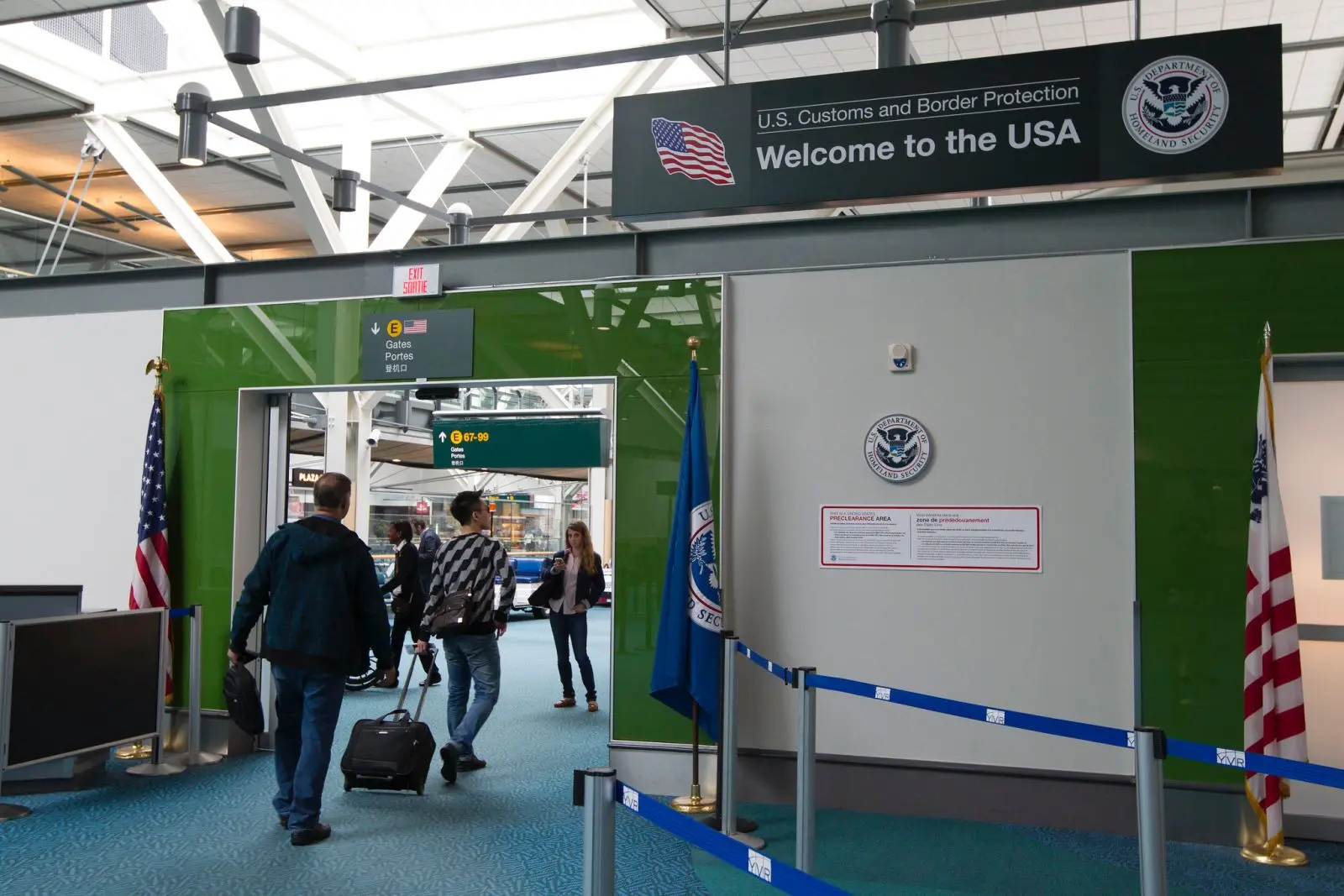
The Rise of Detentions: A Mystery Wrapped in a Regulation
While no official figures have been released, anecdotal evidence suggests a marked increase in detentions and denials at U.S. airports since late 2024. Online forums are peppered with firsthand accounts: a French student detained at Boston Logan for allegedly “intending to work remotely,” a Spanish couple questioned about their Airbnb bookings, a German retiree grilled over how she planned to afford her two-month stay in California.
The reasons offered—when any are given—often include vague phrases like “immigration intent,” “suspicion of unauthorized work,” or “insufficient ties to home country.” These aren’t criminal charges. They’re guesses, really. And that’s part of the problem. They depend more on the agent’s interpretation than on any clear standard.
Europe Pushes Back
In response to these cases, several European governments have begun collecting reports and contacting U.S. authorities for clarification. Spain’s Foreign Ministry released a statement in May noting “a pattern of increasing scrutiny” and reminding citizens that entry to the United States “is not guaranteed, even with a valid ESTA.”
Meanwhile, the European Union’s long-planned ETIAS (European Travel Information and Authorization System)—a reciprocal digital entry requirement for U.S. travelers to Europe—has quietly resurfaced in public conversations. While it will start operations in the last quarter of 2026, several EU officials have hinted that such measures may now feel more appropriate than ever.
Who’s at Risk—and How to Prepare
Most European travelers to the U.S. still breeze through passport control with little more than a polite smile and a quick stamp. But certain travelers may now face more questions than before, including:
- Remote workers or freelancers who mention working from the U.S.
- Travelers with one-way tickets or long stays
- Those without clear proof of accommodation or return plans
- People carrying work tools, gear, or multiple electronic devices
To minimize your chances of being turned away—or worse, detained—bring the following:
- Proof of return travel (a flight ticket or itinerary)
- Hotel reservations or a signed invitation letter from a U.S. resident
- A clear explanation for your visit: tourism, family, business meeting, etc.
- Evidence that you are employed or enrolled in school in your home country
And no, this isn’t overkill. If anything, it’s your survival kit. Because as anyone who’s been stuck in secondary screening will tell you, time moves differently in a room with fluorescent lighting and no clocks.
From Kafka to Customs: What It Feels Like
For those who have gone through it, the experience is somewhere between a bureaucratic puzzle and a very bad dream. Phones are often confiscated or disabled. There’s little opportunity to call a lawyer, and the process is opaque at best. Travelers report being interviewed for hours, denied basic comforts like water or access to luggage, and treated with suspicion even when no laws were broken.
One German traveler described it as “Kafka at the airport,” after being asked—repeatedly—why he had a U.S. SIM card already activated. Another said she was refused entry because she mentioned attending a professional networking event. “I didn’t know it counted as work,” she later wrote.
And therein lies the trouble. The line between tourist and worker, between visitor and threat, is blurry—and growing blurrier in an age of laptops, remote offices, and border security theater.
Will This Affect Your Next Trip?
If you’re a European citizen with nothing to hide, your odds of a smooth entry into the U.S. are still overwhelmingly good. But the mood at the border has changed. There’s more caution, more questioning, and more stories that don’t quite make the news but quietly ripple through embassies and travel blogs.
So yes, travel to America is still possible. It’s just a little more… American now. A bit louder, more suspicious, and filled with forms you didn’t know you needed. Pack your documents, smile at the agent, and maybe—just maybe—leave the second laptop at home.
Or at least, be ready to explain why you brought it. Twice.