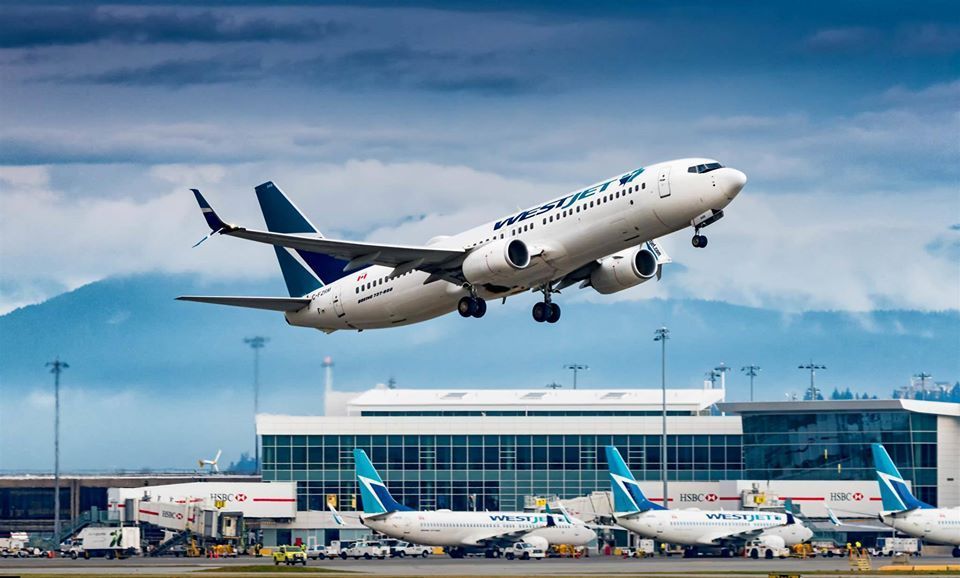
Flying could soon feel a little tighter. A major North American carrier has decided that reclining your seat will no longer be a standard feature, making what was once routine a paid upgrade for travelers seeking extra comfort.
WestJet has announced a new “modern cabin experience” that limits reclining seats to its premium section. Starting in late 2025, only passengers who pay for the higher fare class will be able to tilt their seatbacks, while those in standard economy will sit in fixed, non-reclining seats. The change marks one of the most visible shifts yet in how airlines are redefining comfort — and what passengers must pay for it.
Recline for a Price
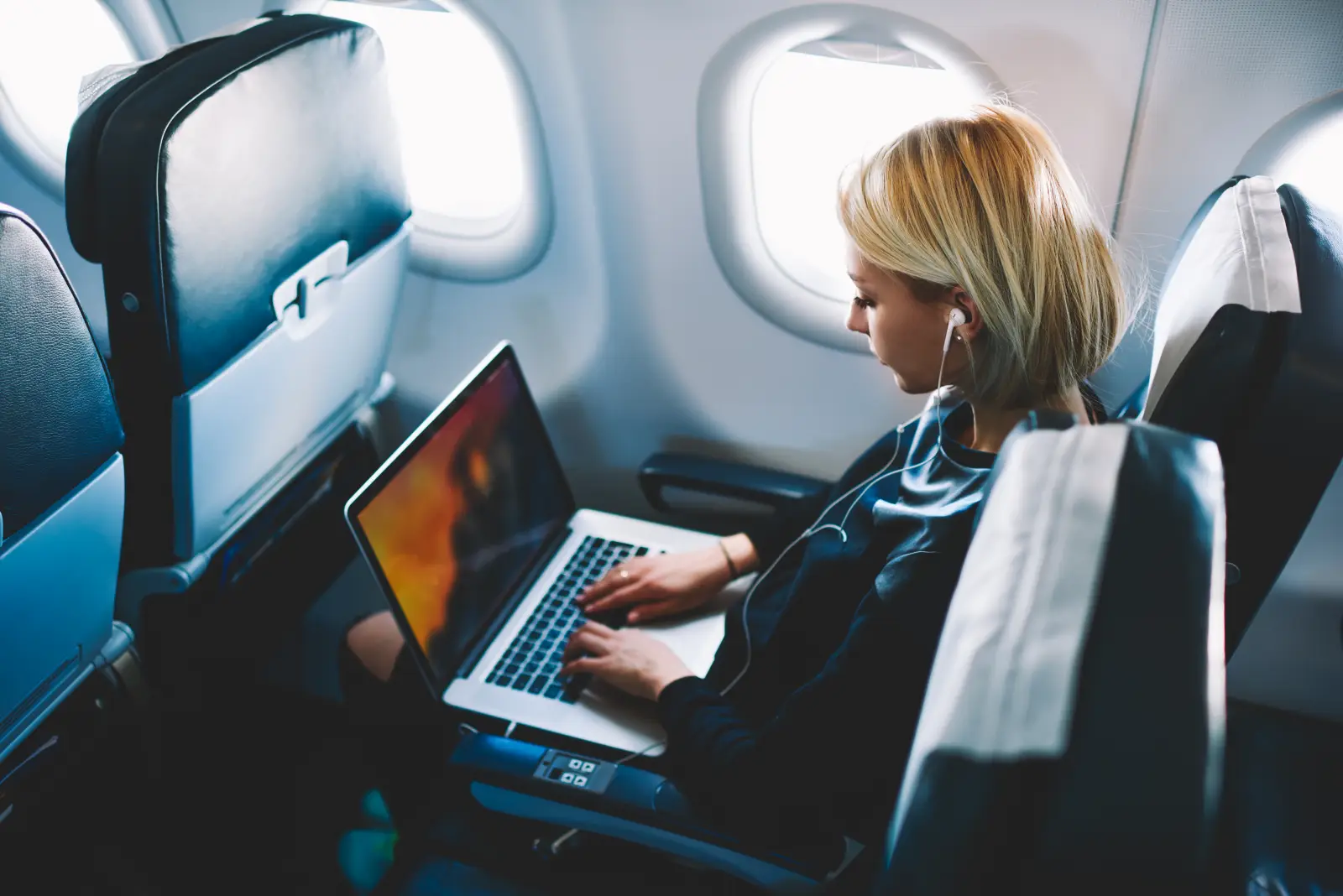
Under WestJet’s new layout, just 12 premium seats on each Boeing 737 aircraft will include reclining capability and larger, ergonomic headrests. Behind them, an “Extended Comfort” section will feature slightly more legroom but fixed seatbacks. The remainder of the economy cabin will be non-reclining, enabling the airline to add an extra row of seats and increase overall capacity.
WestJet says the goal is to give passengers more choice and control over what they pay for. “The layout for our refreshed cabin caters to our guests’ diverse preferences,” said Samantha Taylor, WestJet’s Executive Vice President and Chief Experience Officer. “Whether travelers want extra amenities and legroom or more affordable ticket prices with less space, we’re excited to introduce this new range of options.”
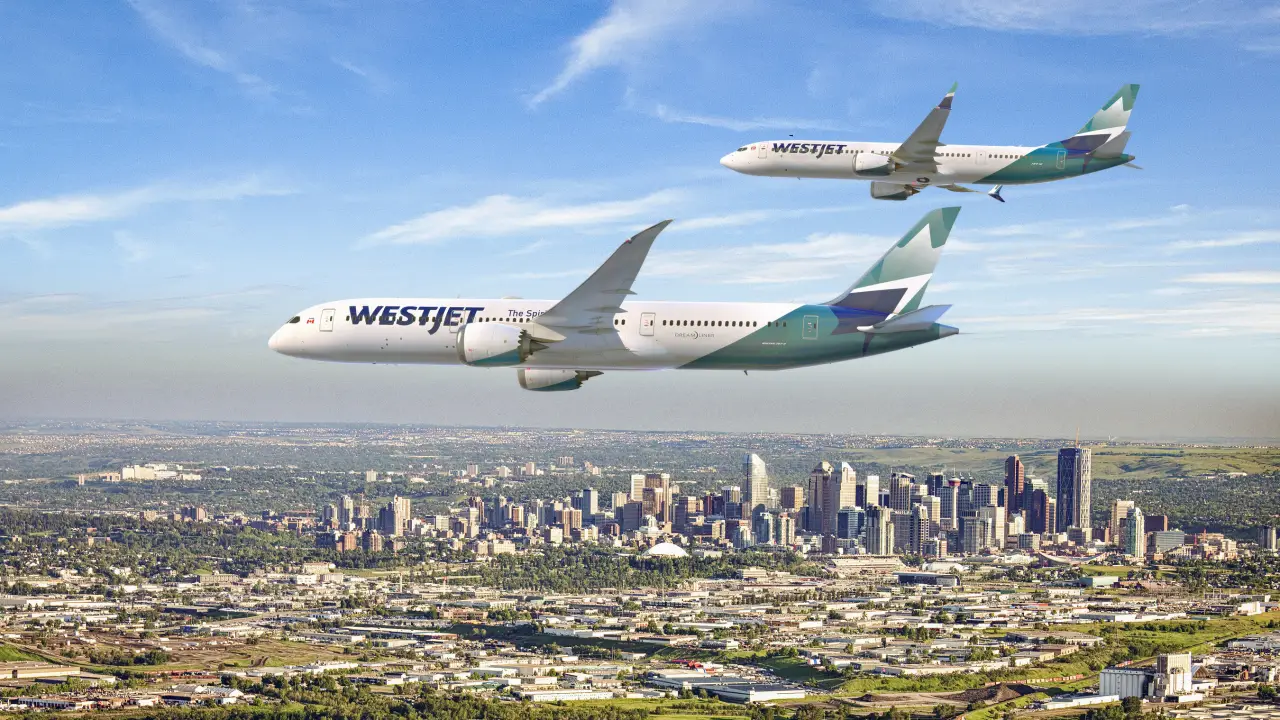
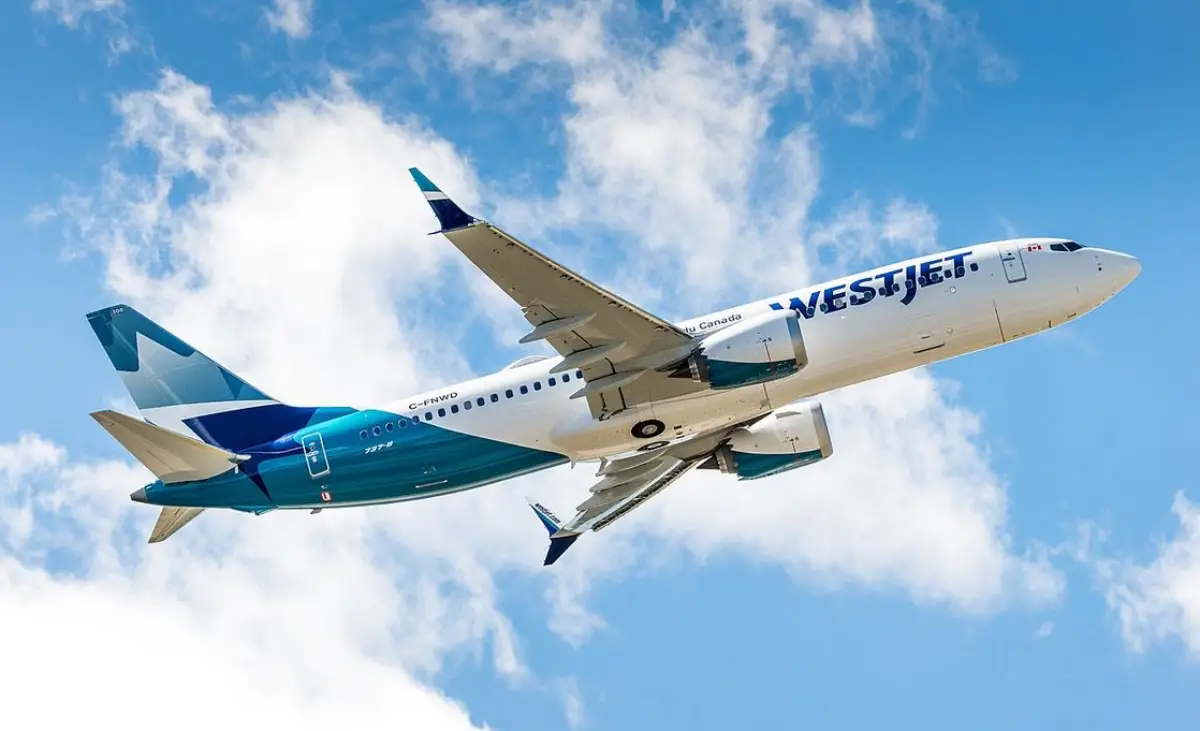
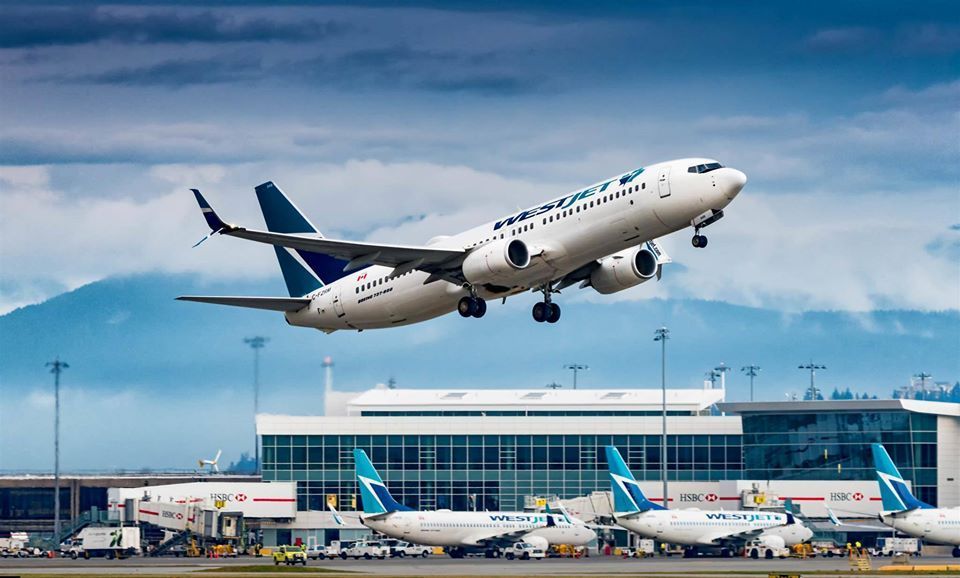
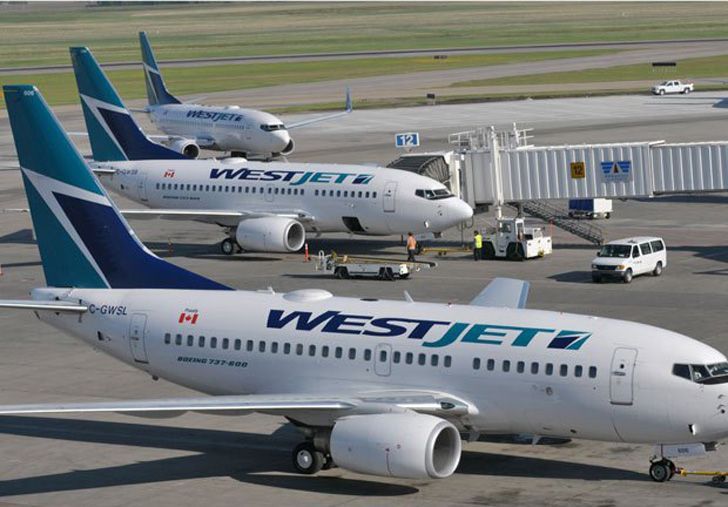
The first reconfigured aircraft will enter service in October 2025, with the rollout expected across 43 Boeing 737-8 MAX and 737-800 aircraft by early 2026. The redesign is expected to increase seat count by one row per plane while maintaining similar weight and efficiency.
Mixed Reactions to a “Modern” Cabin
Reactions from travelers and aviation experts have been mixed. Some see WestJet’s decision as a practical adjustment that allows passengers to choose between price and comfort. Others view it as another step in the unbundling of air travel, where features once considered standard — from checked bags to snacks — now come with a price tag.
“It’s like paying more to get what you already had,” said John Gradek, an aviation lecturer interviewed by Canadian media. Passenger rights groups have raised similar concerns, arguing that the move could pressure travelers into upgrading just to maintain comfort levels on longer flights.
Supporters say there may be a hidden benefit: fewer mid-flight disputes over seat reclining. Fixed seats, they argue, could make flights more peaceful by eliminating disagreements about how far a seat should lean back. Still, for many passengers, the symbolism of paying to recline feels like a step too far.
WestJet insists the cabin redesign will include other improvements beyond seat movement. All seats, including standard economy, will have new cushions, adjustable headrests, USB-C ports, and access to Wi-Fi — free for WestJet Rewards members. The airline says the overhaul will create a consistent, refreshed look across its fleet and align with its premium branding on long-haul routes.
A Trend That May Spread
Analysts say WestJet’s model could influence competitors as airlines face rising costs and tighter margins. Fixed or limited-recline seats are already common among low-cost carriers in Europe, but WestJet is the first major North American airline to make reclining seats a paid feature.
“We’re seeing a shift toward greater segmentation in economy class,” said an aviation consultant quoted by industry outlet Skift. “Airlines are experimenting with how far they can go before passengers push back.”
For WestJet, the move supports its effort to simplify cabin design and maximize revenue per flight. But for travelers, it may mean thinking twice about what level of comfort they’re willing to pay for — even for something as simple as leaning back during a long journey.
As the industry continues to balance comfort and cost, WestJet’s decision could mark the start of a new phase in air travel, where reclining your seat isn’t just a choice — it’s a privilege that comes with a price.
Photo Credit: GaudiLab / Shutterstock.com