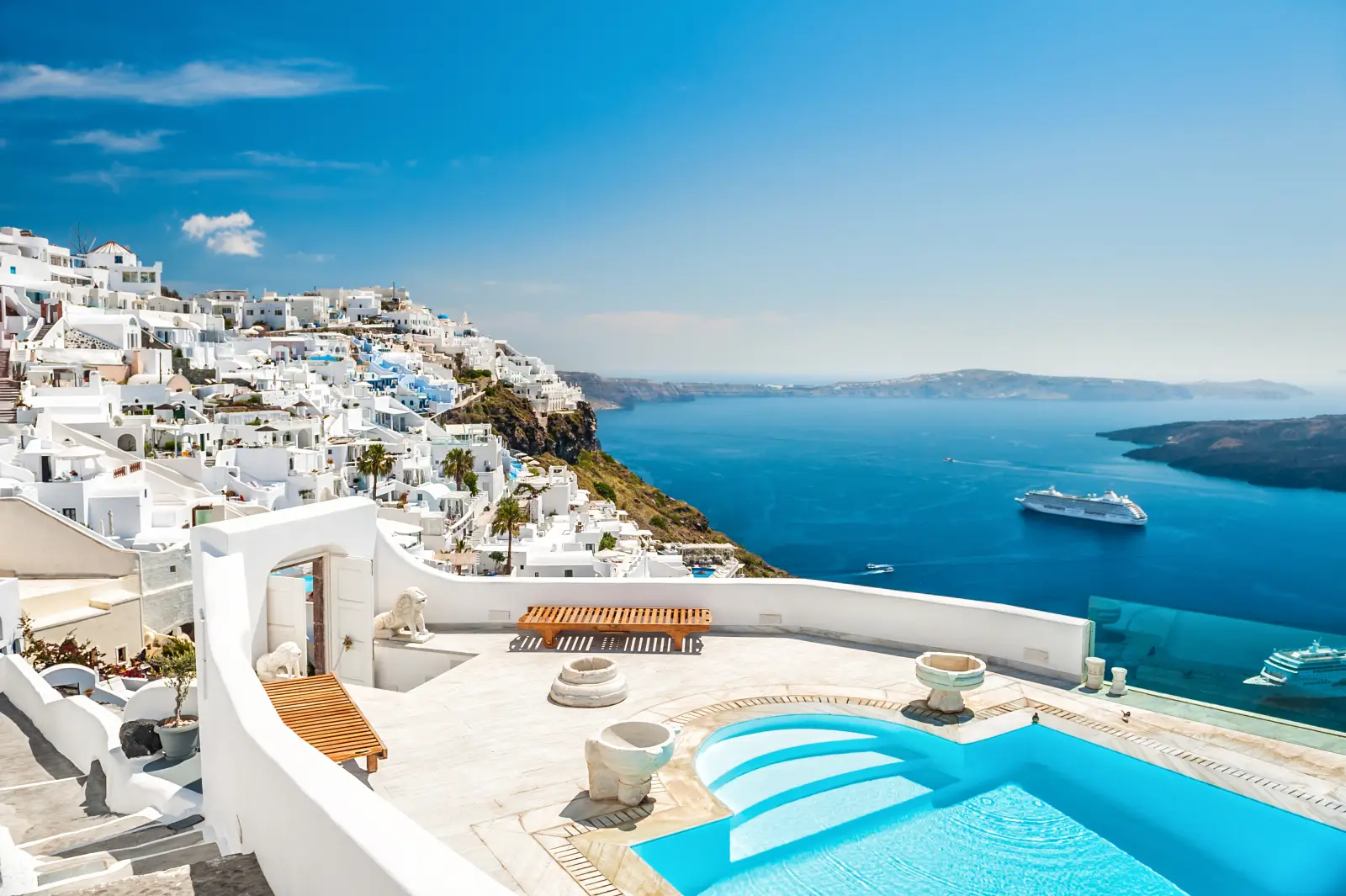
Greece on Monday has introduced a seasonal fee on cruise passengers disembarking at its ports, part of a broader effort to manage soaring tourism numbers and generate new revenue to support infrastructure and environmental protections.
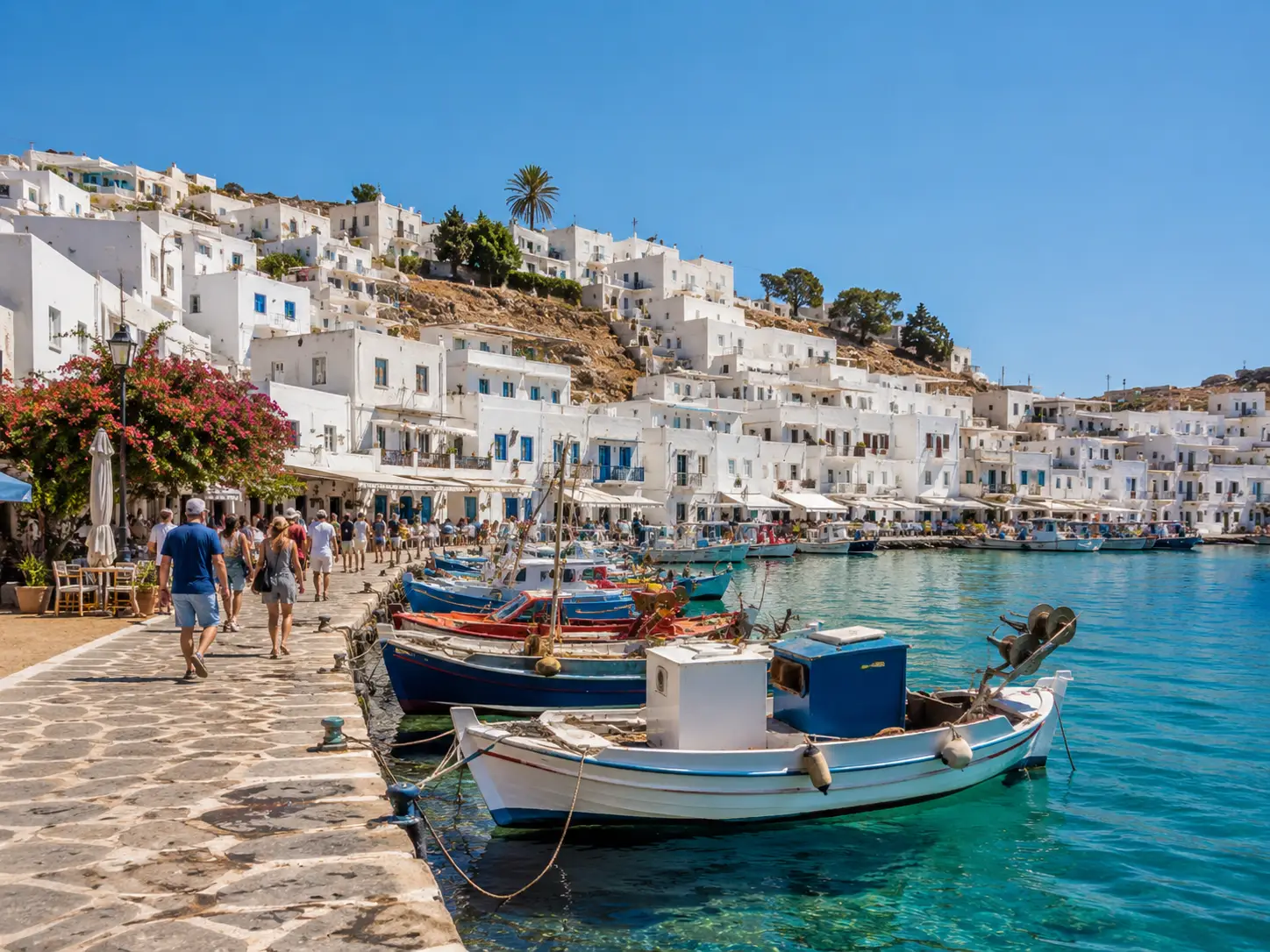
The new levy, which went into effect this week, applies to all non-commercial recreational cruise ships docking in Greek ports. The amount varies depending on the time of year and the destination. During the peak summer season, from June through September, passengers arriving at the popular islands of Santorini and Mykonos will pay a €20 (about $23) fee. For other Greek ports during the same period, the fee is set at €5.
The fee drops significantly in the off-season. Between November and March, passengers will pay just €4 at Mykonos and Santorini, and €1 elsewhere.
The charge is collected electronically by cruise operators and port agents and remitted to the Ministry of Maritime Affairs and Insular Policy. Passengers will typically see the fee reflected on their onboard accounts.
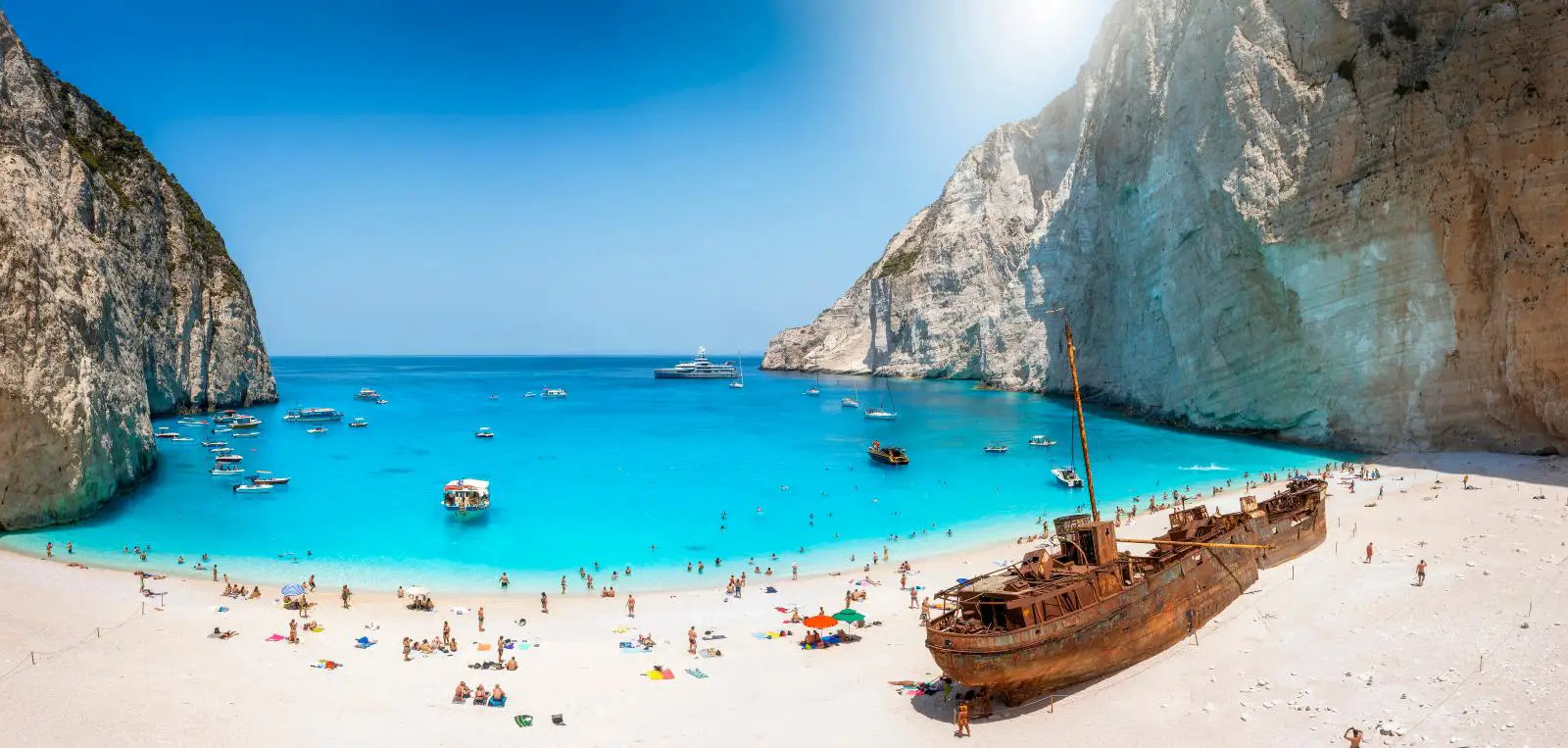
The policy is the latest in a series of government actions aimed at addressing the strains of mass tourism. In recent years, the number of cruise visitors to Greece has surged. In 2023, Santorini alone received 1.3 million cruise passengers across 800 ship calls, while Mykonos welcomed 1.2 million from nearly 750 visits.
Prime Minister Kyriakos Mitsotakis has warned that the explosive growth in tourism—while economically vital—has left several islands overwhelmed and in need of relief. “Some destinations are clearly suffering,” Mitsotakis said last year when outlining his government’s tourism strategy. “We need to ensure the sustainability of our natural and cultural heritage.”
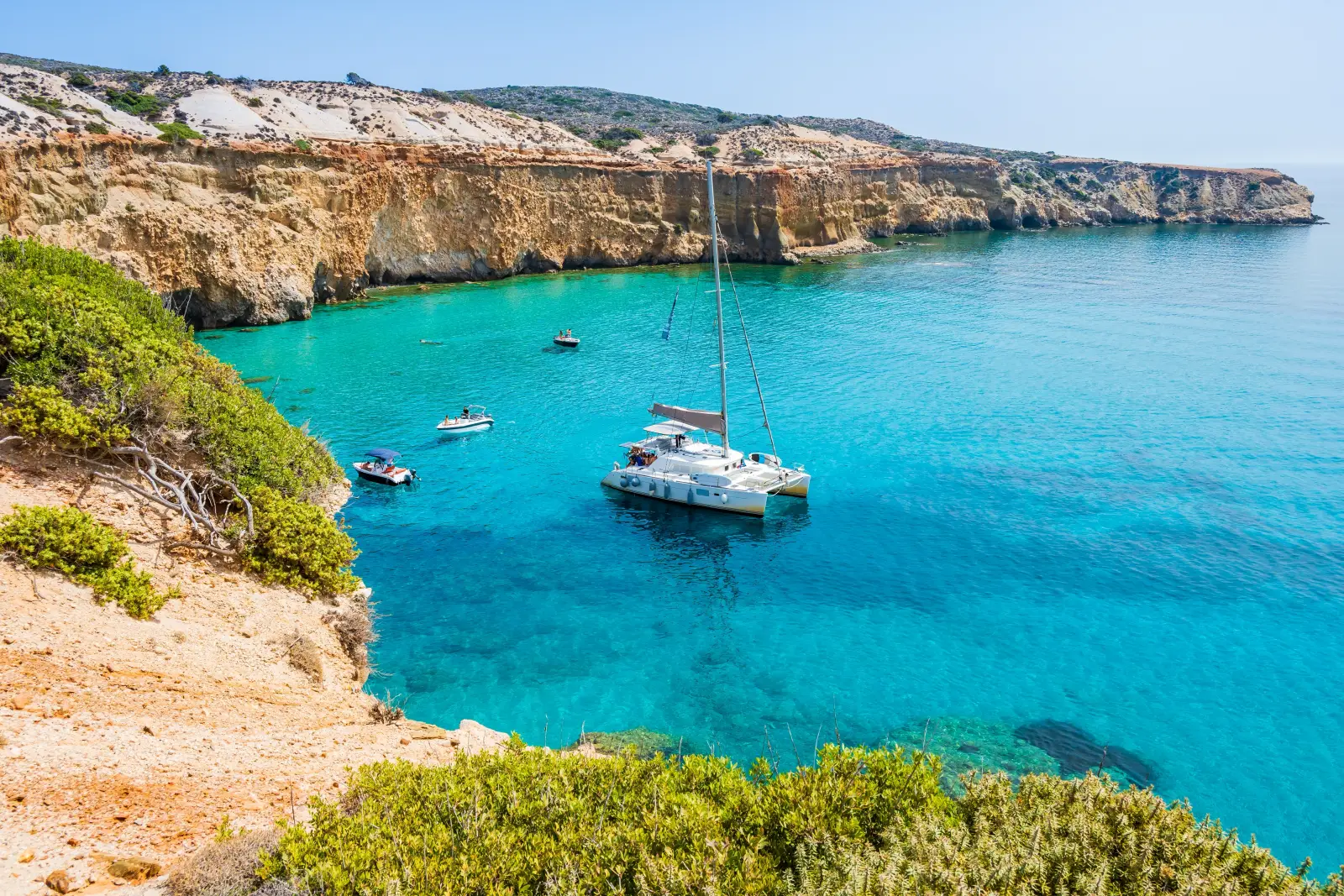
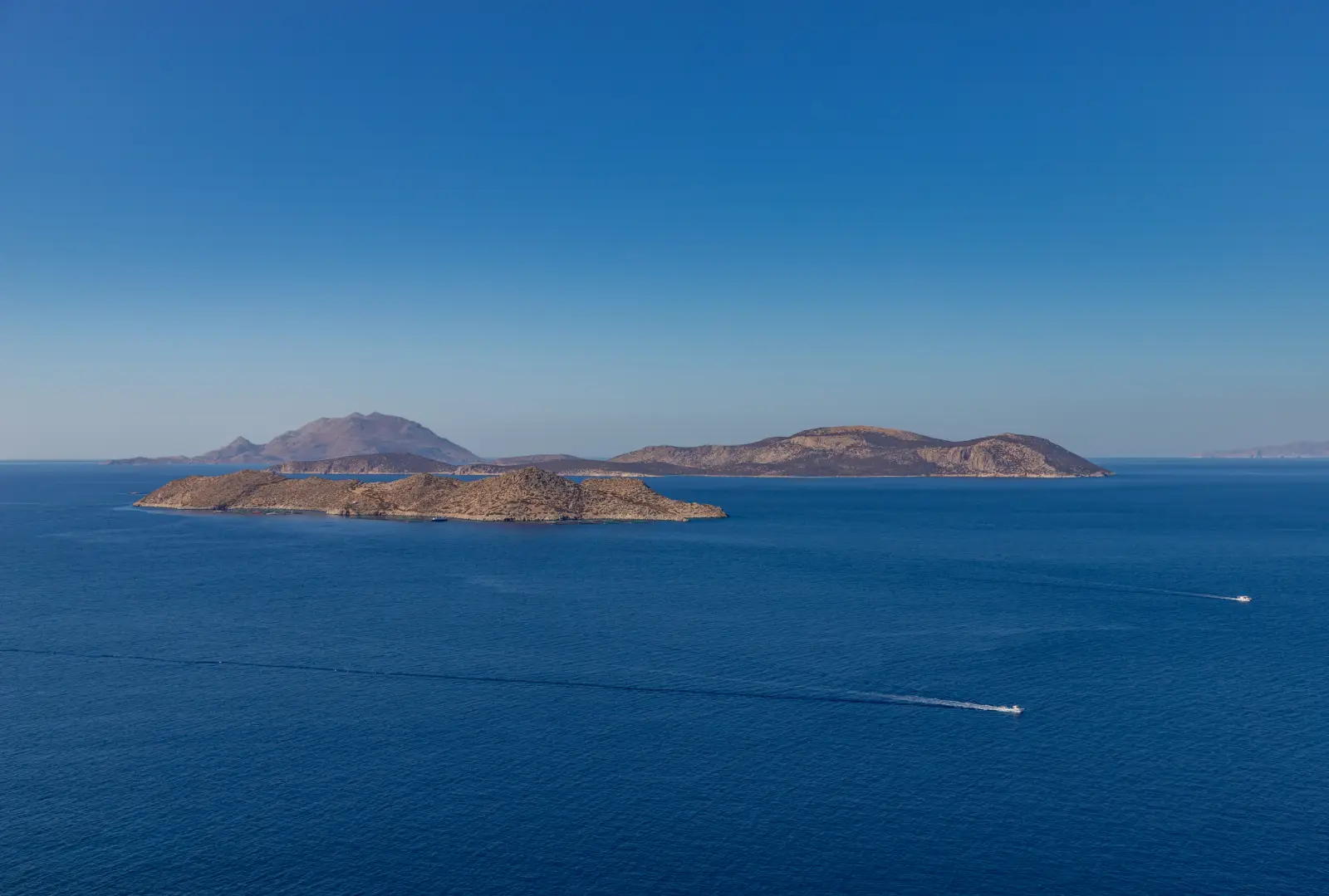
The revenue generated by the new fee—estimated to be in the tens of millions of euros annually—will be earmarked for port improvements, waste management upgrades, water systems, and other sustainability initiatives. Officials also hope it will encourage cruise companies to stagger their itineraries throughout the year and steer traffic toward lesser-visited islands such as Milos, Sifnos, and Naxos.
“We’re not trying to push tourists away,” a senior official at the Ministry of Tourism told local media. “We’re trying to distribute them more wisely and invest in the future.”
The cruise fee follows other tourism-related taxes introduced in recent years, including an expanded accommodation levy and increased taxation on short-term rental platforms like Airbnb. Greece is part of a growing list of European countries—including Italy, Spain, and the Netherlands—that are turning to regulatory and fiscal tools to combat overtourism in vulnerable destinations.
Cruise operators have largely accepted the new charges, though some companies, such as MSC Cruises, have issued advisories to passengers. The fee, they note, is automatically charged but reversed if a guest chooses not to go ashore.
Critics of the measure say it risks pushing cruise itineraries toward more affordable destinations in neighboring Turkey or the Adriatic. But tourism economists counter that the modest size of the fee is unlikely to deter high-volume cruise travelers, particularly in marquee destinations.
“Greece is taking a calculated approach,” said Maria Kalogeropoulou, a tourism analyst at the University of the Aegean. “It’s not about fewer tourists—it’s about smarter tourism.”
Tourism accounts for nearly one-third of Greece’s GDP, and policymakers are increasingly focused on ensuring that growth remains sustainable. As visitor numbers continue to rebound following the COVID-19 pandemic, the cruise fee may signal a new normal for Mediterranean travel: one that costs more but promises fewer crowds—and a lighter footprint.
Photo Credit: Olga Gavrilova / Shutterstock.com