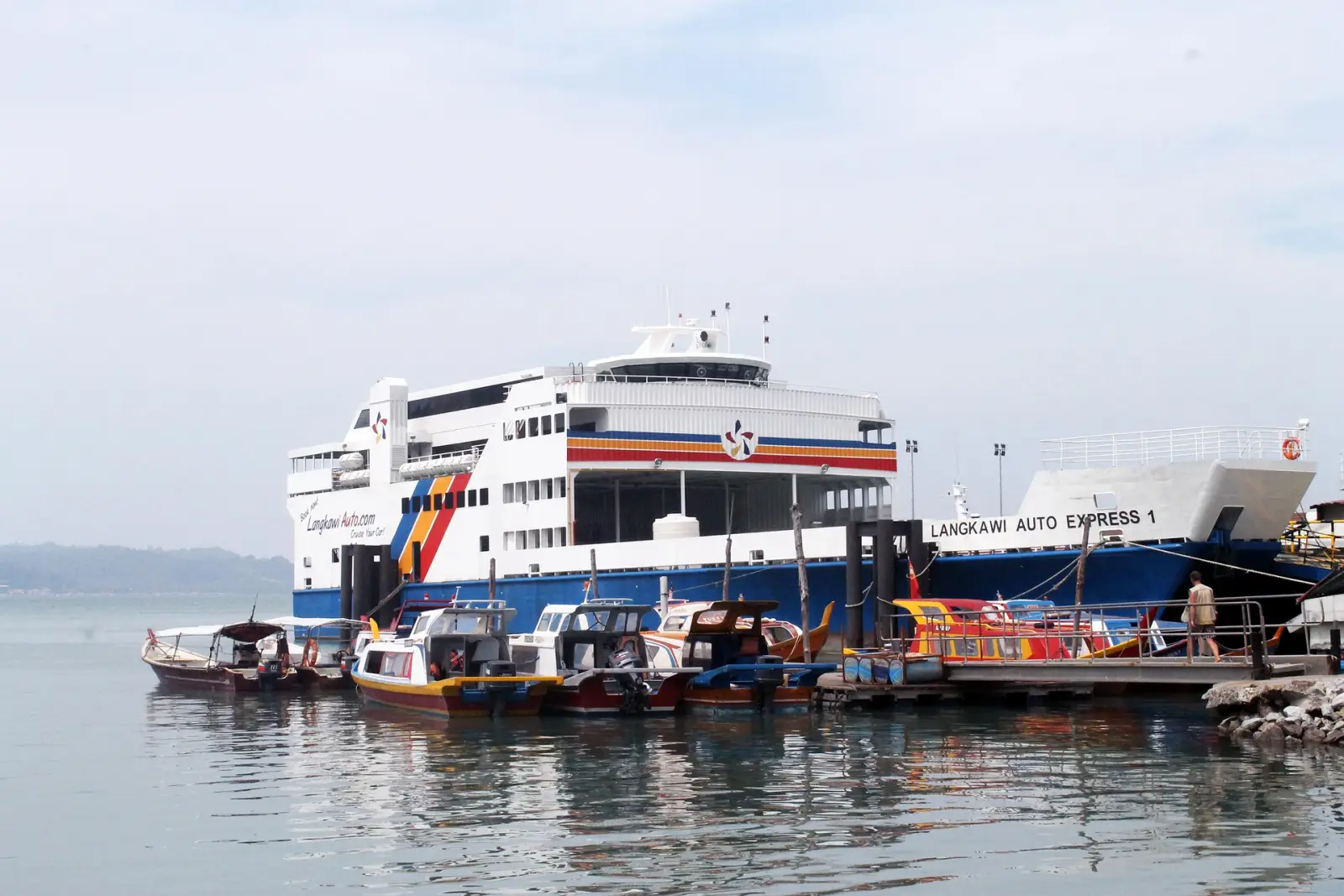
Ferry service reductions to Langkawi have triggered protests from residents and businesses, with warnings of disruption to tourism and local livelihoods. The cuts affect key routes linking the island to mainland Malaysia, a vital connection for both visitors and workers.
Operators have scaled back frequencies in recent weeks, citing operational and commercial pressures. The changes have led to longer waiting times and fewer daily sailings, particularly during off-peak hours.
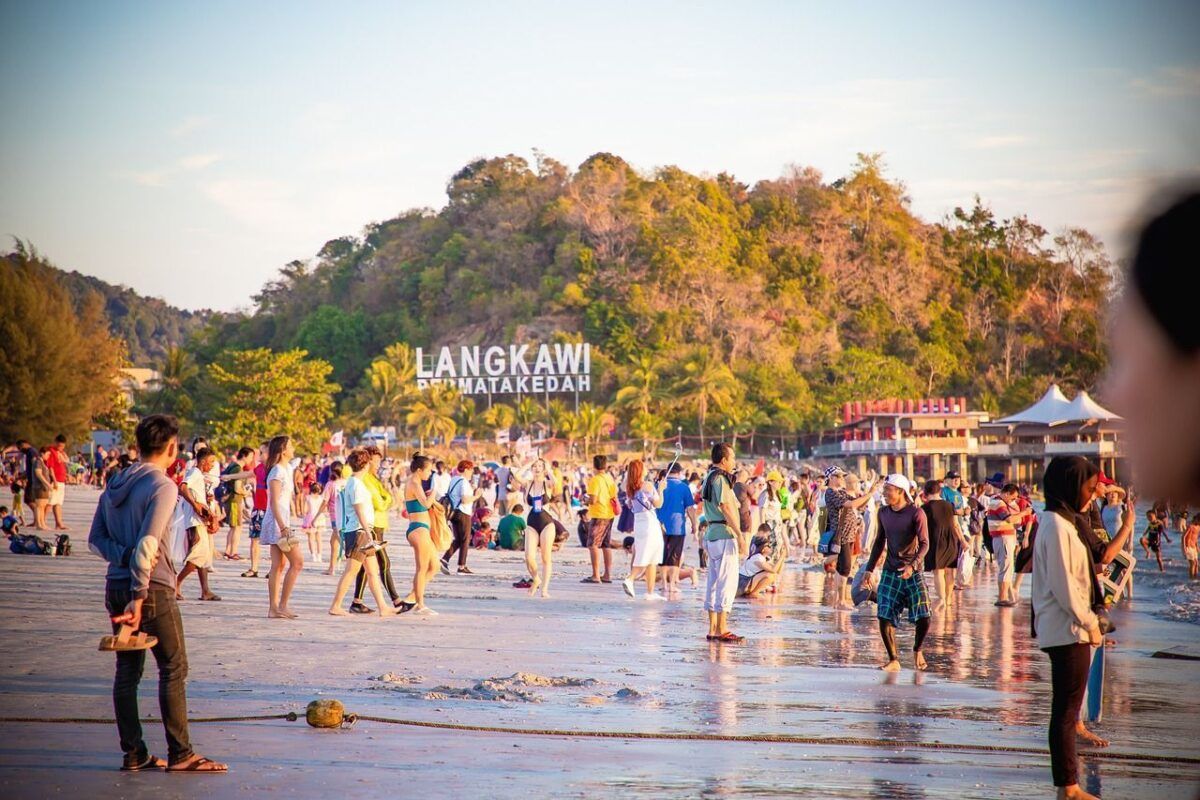
Local groups say the reductions risk undermining Langkawi’s status as a major travel destination. Tourism stakeholders warn that limited access could deter visitors and reduce income for hotels, tour operators and small businesses.
Langkawi relies heavily on ferry connections to ports such as Kuala Kedah and Kuala Perlis. These routes serve both domestic travellers and international visitors arriving via mainland transport links. For many residents, ferries are also essential for commuting, education and access to services.
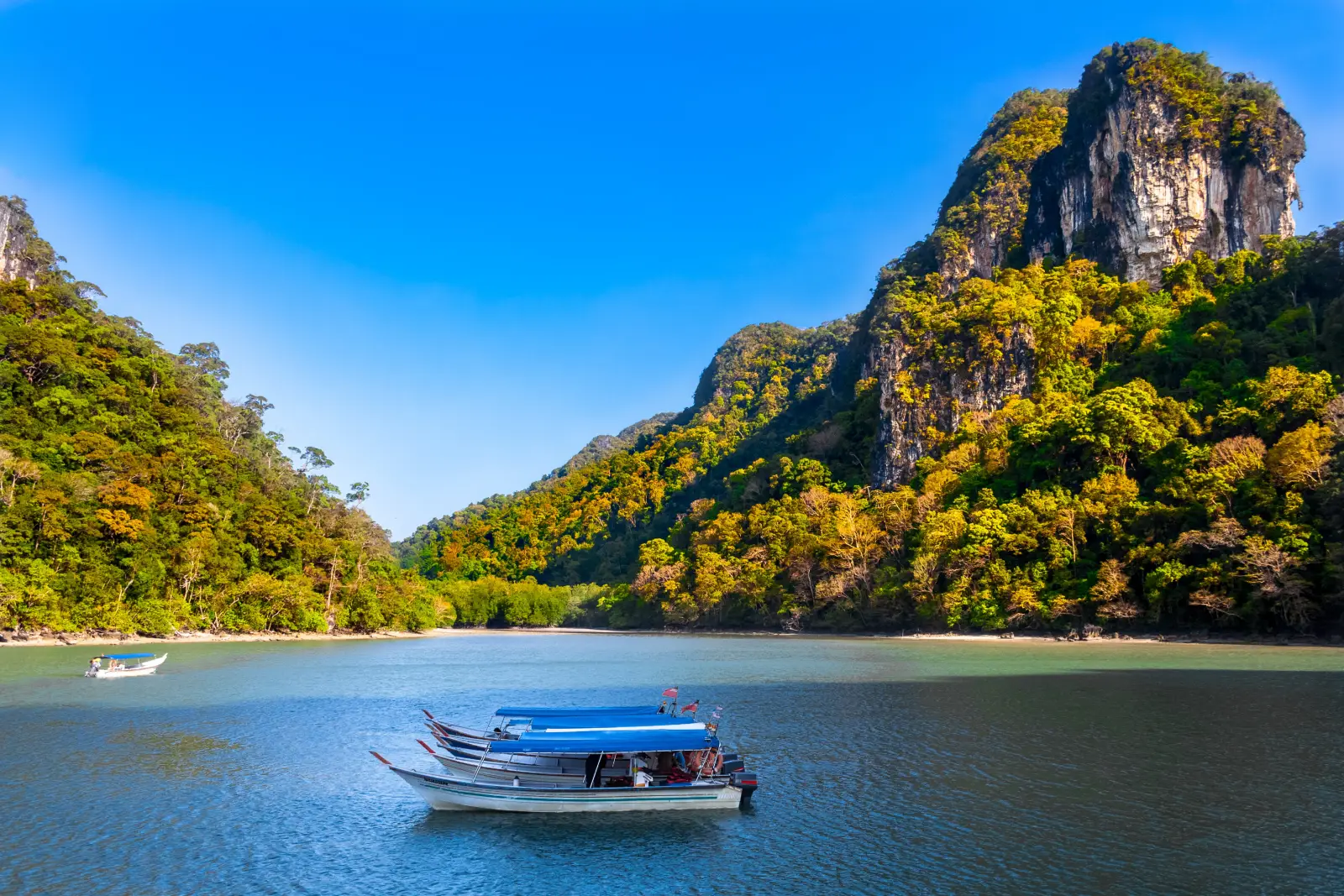
Business owners report cancellations and declining bookings following the schedule changes. Some say tourists are opting for alternative destinations due to uncertainty over transport availability. Others point to higher travel costs as reduced supply pushes up fares during peak periods.
Community leaders have called for authorities to review the decision and restore previous service levels. They argue that consistent and reliable transport is critical for an island economy dependent on visitor flows.
Transport providers, however, face rising fuel costs, staffing constraints and fluctuating demand outside peak travel seasons. Industry observers say operators may be attempting to balance financial sustainability with service provision, particularly after years of disruption to travel patterns.
Tourism groups warn that any prolonged reduction could have a knock-on effect across the sector. Hotels, restaurants and attractions rely on steady arrivals to maintain occupancy and staffing levels. A drop in visitor numbers could also affect seasonal employment and local supply chains.
Langkawi has positioned itself as a duty-free island and a key leisure hub, attracting both domestic and regional tourists. Accessibility remains a central factor in its competitiveness against other island destinations in Southeast Asia.
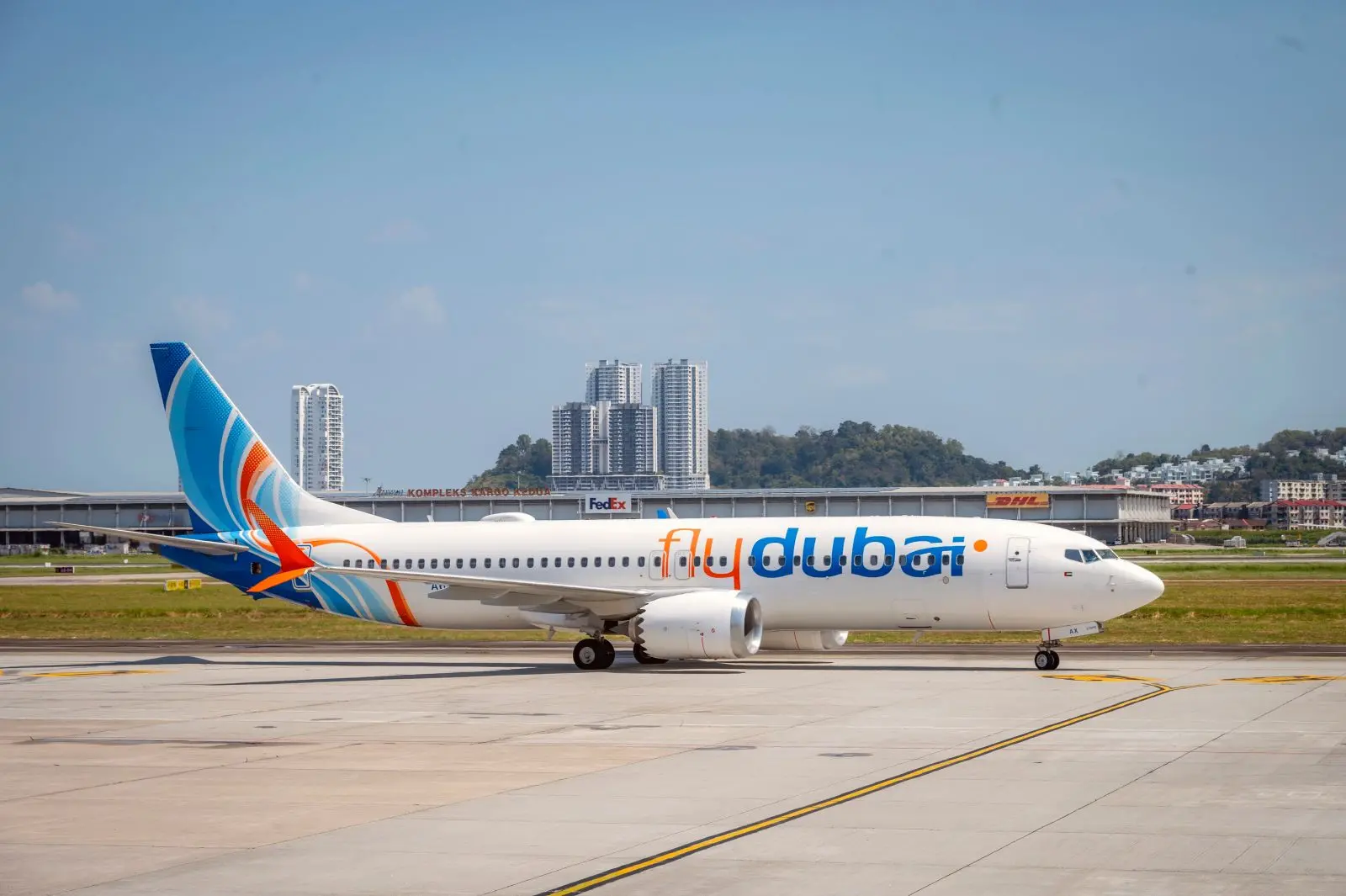
Some travellers have turned to air travel as an alternative, but flight availability and pricing vary, especially during peak periods and holidays. For budget-conscious visitors, ferries remain the primary option.
Calls for government intervention have grown, with suggestions including temporary subsidies, revised scheduling, or partnerships with additional operators. Stakeholders say coordinated action is needed to prevent long-term damage to the island’s tourism economy.
Authorities have yet to announce any immediate changes, but discussions are expected as pressure mounts from both the public and the business community. For now, travellers are advised to check schedules in advance and allow extra time when planning trips to and from Langkawi.
The situation highlights the broader challenge of maintaining transport connectivity for island destinations, where infrastructure constraints and market pressures can quickly affect access. For Langkawi, the outcome may shape its tourism recovery and growth in the months ahead.