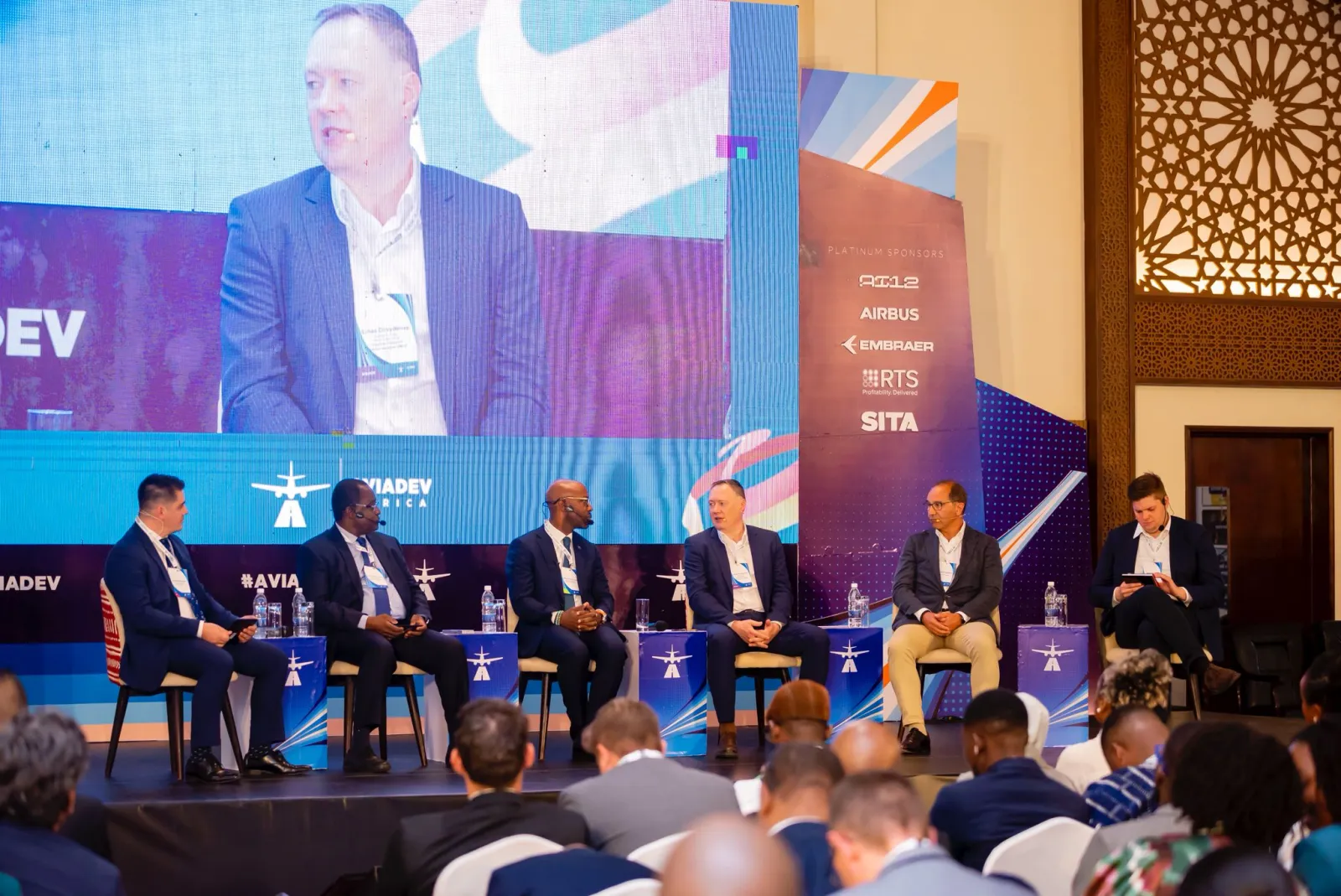
Experts gathered at AviaDev Africa 2025 in Zanzibar to address pressing challenges and explore new solutions for the continent’s aviation sector. Among the focal points was the growing role of ACMI (Aircraft, Crew, Maintenance and Insurance) leasing, a flexible approach that is becoming essential for airlines navigating supply chain constraints, cost pressures, and fleet renewal challenges.
During the panel session “Beyond the headwinds: Navigating rising costs, finance hurdles and supply chain challenges,” industry leaders shared insights on how ACMI can help African carriers overcome limitations and plan for long-term growth. Participants discussed the opportunities, misconceptions, and strategies that could transform ACMI from an emergency measure into a core component of African aviation strategy.
ACMI Leasing Gains Traction in Africa
As Africa’s young, rapidly growing population drives demand for increased air connectivity, the region’s air traffic is forecast to grow by 6.4 percent annually, more than tripling by 2043. This strong potential is tempered by serious challenges facing African airlines, including high operational costs, tight supply chains, and aging fleets. ACMI leasing is emerging as a practical response, offering carriers the flexibility to scale operations without the significant capital burden of aircraft ownership.
ACMI, also known as wet leasing, provides not only aircraft but also crew, maintenance and insurance, allowing airlines to expand capacity during peak seasons or bridge gaps when aircraft are out of service. Globally, over 1,500 aircraft operate under ACMI contracts, with half dedicated entirely to this model. Yet, African airlines have been slow to fully embrace ACMI, often treating it as a last-minute solution rather than a strategic planning tool.
Industry veteran Linas Dovydėnas, President of Chapman Freeborn IMEA, highlighted that while demand for ACMI is rising across Africa, procurement habits remain reactive. This reactive approach leads airlines to finalize ACMI deals just weeks before peak travel periods, often resulting in higher costs and limited availability, undermining the very advantages that make ACMI leasing attractive.
Changing Mindsets for Long-Term Planning
Panelists emphasized the need for African carriers to shift from short-term fixes to long-term planning when it comes to ACMI. By viewing leasing as a strategic tool rather than an emergency option, airlines can negotiate better pricing, secure availability, and strengthen their operational flexibility. Dovydėnas advocates signing ACMI agreements one to three years in advance, ensuring that airlines can scale up during busy seasons without committing to year-round fixed costs.
“Proper planning allows airlines to scale flexibly during peak seasons without committing to year-round fixed costs,” explained Dovydėnas during the discussion. Chapman Freeborn is working closely with African airlines and authorities to position ACMI solutions as an integral part of capacity planning, with early-stage discussions around multi-year partnerships showing a promising shift in approach.
This kind of forward-looking strategy is essential in an environment where fleet renewal is complicated by tight aircraft supply, OEM delivery delays, and competition for second-hand aircraft with mature markets. By embedding ACMI into their business models, African airlines can navigate these challenges more effectively, ensuring consistent service and growth potential even in turbulent market conditions.
Addressing Tight Aircraft Supply and Supply Chain Disruptions
One of the key themes at the AviaDev panel was the growing challenge of aircraft availability. Global supply chain disruptions and manufacturing delays are putting pressure on airlines worldwide, making it harder for African carriers to secure new or even second-hand aircraft for expansion or fleet renewal. This scarcity makes ACMI’s on-demand availability even more attractive, offering a lifeline for airlines needing to respond quickly to shifting market dynamics.
The panelists noted that African markets often face additional hurdles such as regulatory complexities, financing constraints, and infrastructure limitations that can further complicate fleet growth. ACMI leasing can mitigate these challenges by providing immediate, flexible capacity without the need for heavy upfront investment or long lead times associated with traditional aircraft purchases.
Chapman Freeborn, part of the Avia Solutions Group, is actively supporting African airlines in overcoming these barriers. The company provides ACMI services for passenger and cargo operations, helping carriers manage seasonal peaks, operational disruptions, and unforeseen surges in demand. Their local presence, with an office in Johannesburg, enables close collaboration with airlines and aviation authorities to streamline approvals and operational logistics.
Supporting Cargo and Humanitarian Operations
Beyond passenger services, ACMI leasing plays a vital role in supporting cargo operations across Africa. The continent’s vast geography, limited transport infrastructure, and frequent humanitarian crises demand reliable, flexible air cargo capacity. Chapman Freeborn’s cargo division specializes in moving everything from commercial goods to urgent humanitarian supplies, offering tailored ACMI solutions that ensure vital deliveries reach even the most remote regions.
This capability is especially important given the region’s vulnerability to natural disasters, health emergencies, and political instability, all of which can create sudden spikes in demand for air transport. ACMI’s flexibility allows operators to respond rapidly, delivering life-saving aid and maintaining supply chains even under challenging circumstances.
As part of the world’s largest ACMI group, Chapman Freeborn is uniquely positioned to offer these services at scale, leveraging a global fleet and operational expertise to meet Africa’s evolving aviation needs. Their involvement demonstrates how ACMI isn’t just a commercial tool but also an essential component of the continent’s broader development and resilience strategies.
Collaborating with Airlines and Authorities
Panelists at AviaDev agreed that effective partnerships between ACMI providers, airlines, and aviation authorities are crucial to maximizing the benefits of leasing solutions. Regulatory approval processes for foreign aircraft can be complex and time-consuming, sometimes hindering the speed and efficiency that make ACMI attractive. Chapman Freeborn has been working with stakeholders to simplify these processes and foster a more agile, responsive operating environment.
“We are working with both airlines and aviation authorities to make it easier and faster for foreign aircraft to get approval to operate in Africa,” said Dovydėnas during the event. Local offices and strong relationships help providers navigate regulatory requirements, address concerns, and deliver solutions that align with both operational needs and safety standards.
This collaborative approach is essential for transforming ACMI from an emergency fallback into a reliable, strategic option for African airlines. By building trust and streamlining processes, providers and authorities can unlock the full potential of ACMI leasing to drive sustainable growth, improve connectivity, and enhance the continent’s aviation infrastructure.
The AviaDev panel’s discussions underscored the need for a mindset shift across the African aviation industry. Moving beyond reactive leasing decisions toward proactive, multi-year planning can transform ACMI from a cost burden into a powerful enabler of growth. By leveraging ACMI strategically, airlines can maintain service levels, manage demand peaks, and remain competitive in a rapidly changing market.
As African economies continue to grow and integrate regionally, air connectivity will be essential for trade, tourism, and development. Flexible leasing models like ACMI can help airlines deliver on this promise, ensuring they have the capacity and capability to meet evolving passenger and cargo needs. For providers like Chapman Freeborn, this represents both a business opportunity and a chance to contribute to the continent’s progress.
With increasing awareness, early-stage planning, and collaborative partnerships, ACMI leasing is poised to become a cornerstone of Africa’s aviation strategy. By embracing this approach, airlines can navigate uncertainty, control costs, and build the resilience needed to thrive in the decades ahead.