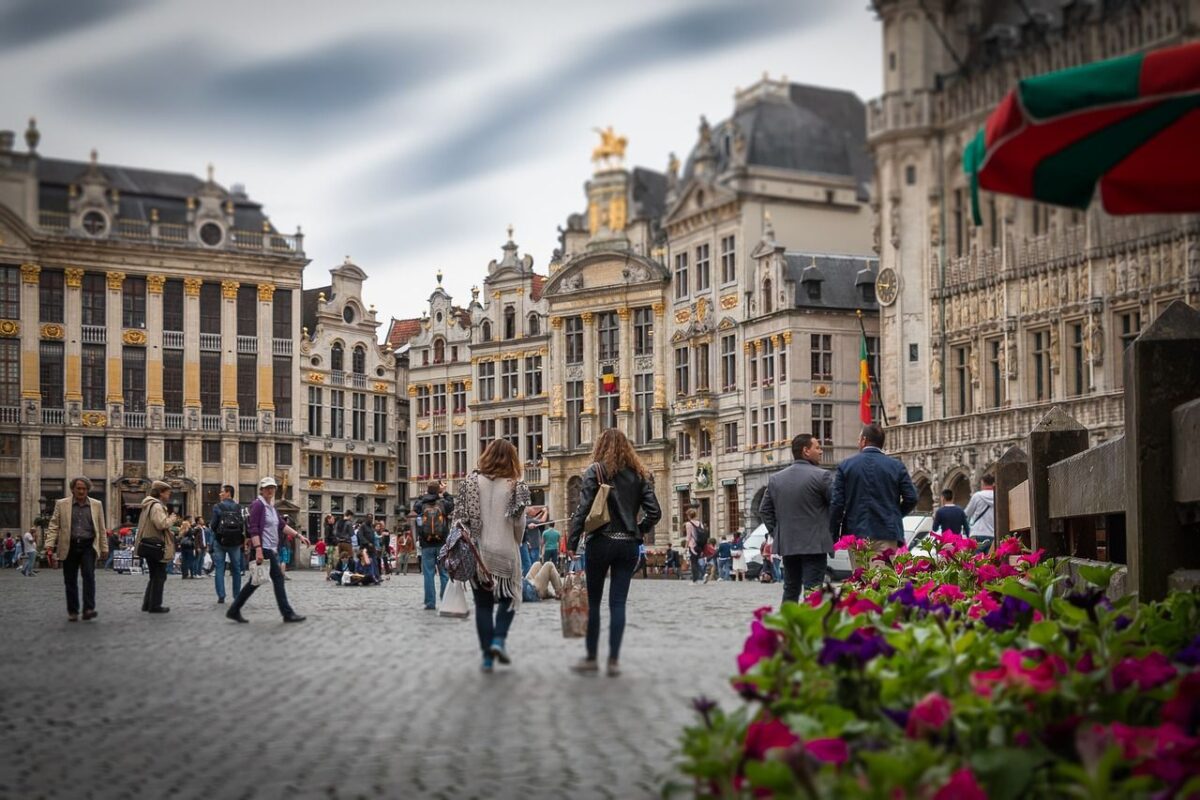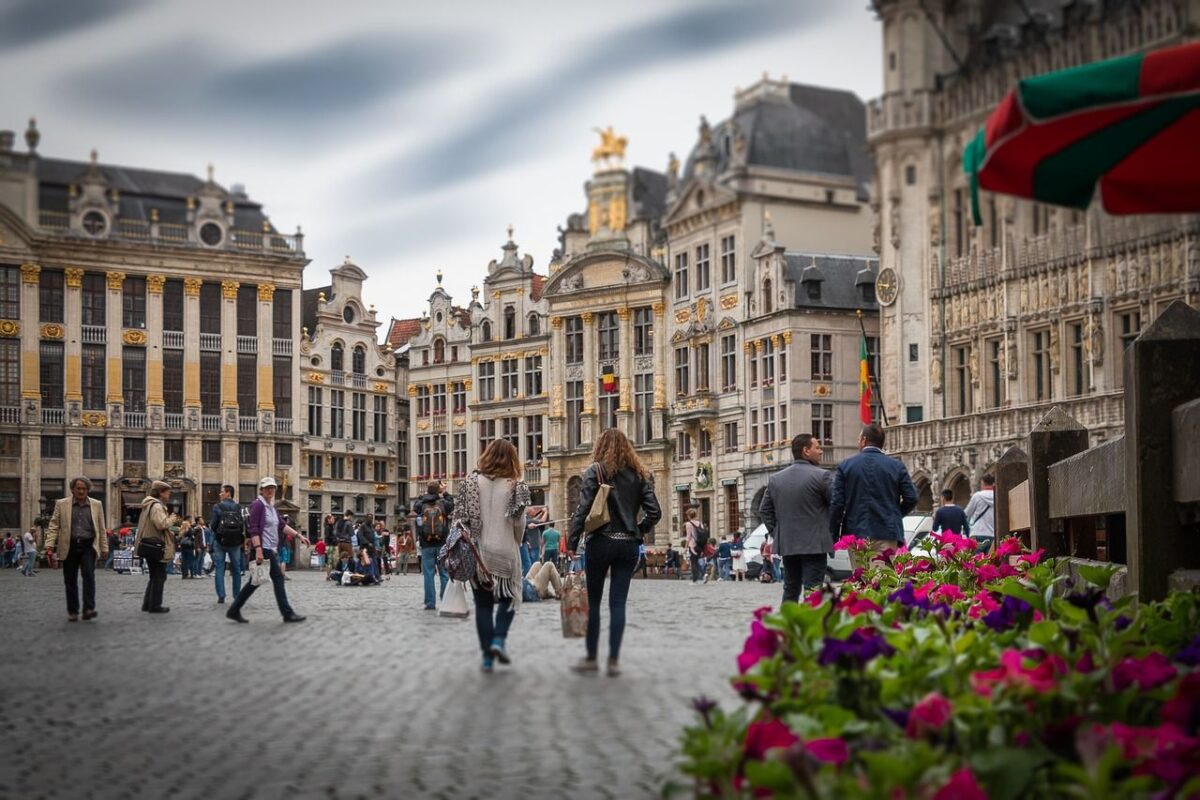
Brussels has once again claimed the top position in the Union of International Associations (UIA) annual ranking, reaffirming its global leadership in hosting international meetings organized by non-profit associations. The 66th edition of the International Meetings Statistics Report, released on 24 June 2025, places the Belgian capital at the summit of a competitive global field, ahead of cities like Vienna, Seoul, Barcelona, and Tokyo.
In 2024 alone, 388 out of 8,859 global meetings—roughly 7%—took place in Brussels. Vienna followed with 239 meetings, and Seoul came in third with 180. These figures not only underscore Brussels’ enduring appeal as a host city but also mark the fourth consecutive year it has led the global ranking. Over a broader two-decade period from 2005 to 2024, Brussels has maintained a dominant presence, consistently outperforming rivals like Singapore and Vienna.
Strategic Support for Association Meetings
The city’s success is bolstered by strong institutional backing, particularly from visit.brussels’ Convention and Association Bureau. This organization actively supports the more than 2,470 international associations headquartered in the capital, helping secure and host events that bring thousands of professionals to the city.
Key recurring events in 2024 included the European Week of Regions and Cities at Square Brussels, Hydrogen Europe at Brussels Expo, and FARI at Flagey. Additionally, the city welcomed newcomers like AMI Plastics World, EthCC, and the World Cocoa Conference. These conferences not only contribute to the local economy but also enhance Brussels’ reputation as a hub for thought leadership and innovation.
According to Elisabeth Van Ingelgem, Director Strategy and International at visit.brussels, the team’s focus for 2025 is to maintain momentum by attracting a balance of recurring and new events. “These are business events that attract thousands of participants for every edition,” she noted, highlighting the scale and impact of such gatherings.
Tourism at Record Highs
Brussels’ strength in meetings and events coincides with historic highs in tourism. In 2024, the city recorded nearly 10 million overnight stays—an increase of 4.8% over 2023 and 3.6% above the previous pre-pandemic peak in 2019. This reflects a healthy rebound and sustained growth in the capital’s hospitality sector.
Hotel occupancy rates averaged 72.7% for the year, up 1% from 2023. Notably, growth was observed even during traditionally off-peak months like January and February, while July, November, and December posted significant gains. This signals not only higher tourist interest overall but also a more even distribution of visits across the calendar year.
Culture, Diversity, and Decentralization
Patrick Bontinck, CEO of visit.brussels, attributed the city’s tourism success to its vibrant, cosmopolitan character and enhanced promotional efforts. “Brussels clearly has a unique, cosmopolitan profile,” he explained. “When it comes to art, culture, gastronomy, and nightlife, there’s always something happening.”
The city’s decentralization strategy also appears to be paying off. By promoting attractions across a wider area, tourism is now more evenly spread, reducing pressure on central districts while encouraging discovery of lesser-known neighborhoods. This aligns with broader sustainability goals and enhances the visitor experience.
Brussels’ dual leadership in both tourism and professional meetings places it in a strong position heading into the second half of the decade. With continued institutional support, robust infrastructure, and a dynamic cultural landscape, the city is poised to remain a preferred destination for both leisure and business travelers alike.
Comprehensive data on professional events and tourism in Brussels can be accessed at visit.brussels, including barometers and reports covering event trends, accommodation figures, and cultural activity.