China’s Ministry of Culture and Tourism has launched a month-long national cultural and tourism consumption campaign to stimulate domestic travel and spending during the Lunar New Year period, starting in Quanzhou, Fujian province, on 29 January 2026, featuring about 30,000 activities nationwide and 360 million yuan in consumption vouchers to boost visitor demand.
The initiative forms part of a broader government push to strengthen services consumption during the Spring Festival travel season, which runs from late January into early March, as authorities seek to convert record holiday travel volumes into sustained economic activity across tourism, culture, hospitality, and retail.
Nationwide push to convert holiday travel into tourism spending
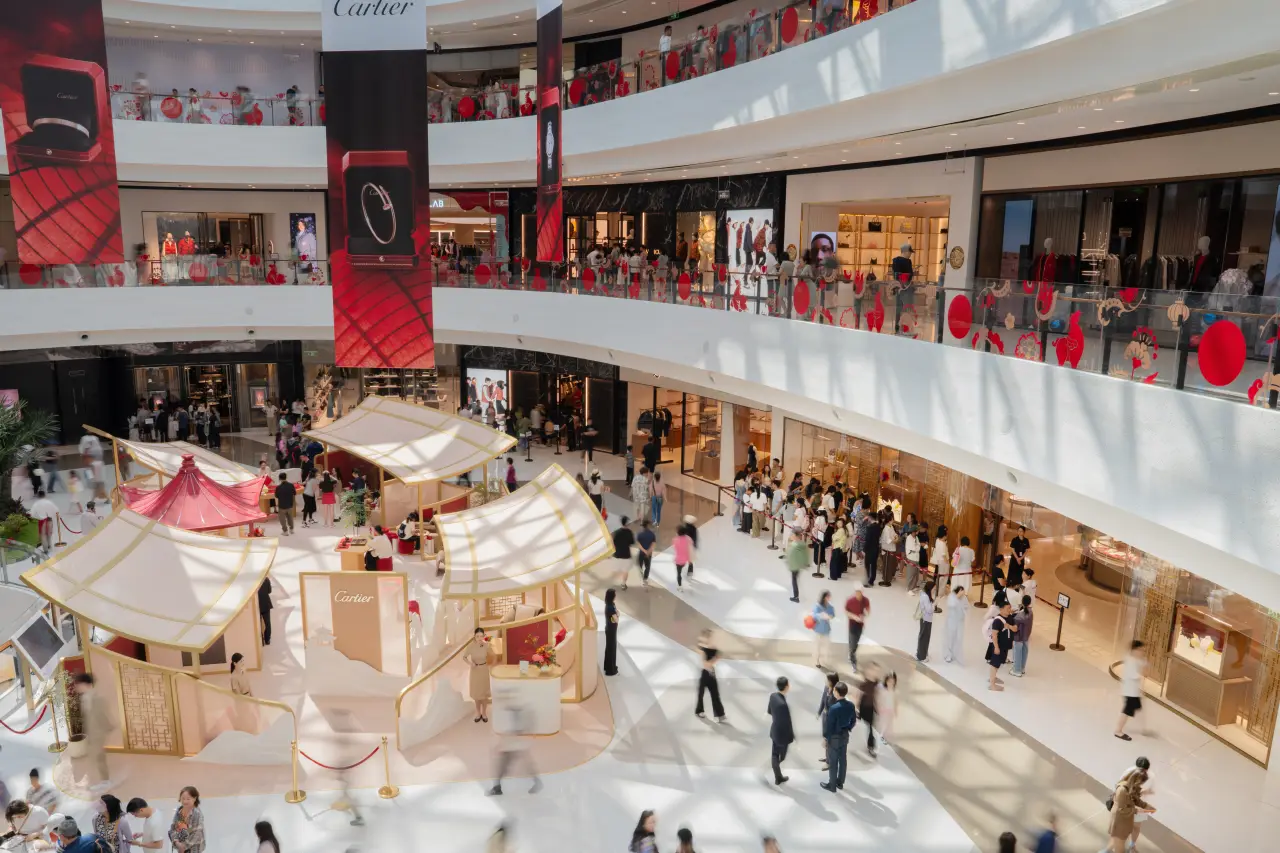
The campaign was unveiled at a national launch ceremony in Quanzhou, a historic port city recognized for its cultural heritage and role in China’s maritime trade history. From there, local governments across the country rolled out coordinated programs combining traditional Lunar New Year celebrations, cultural performances, heritage exhibitions, tourism promotions, and shopping incentives.
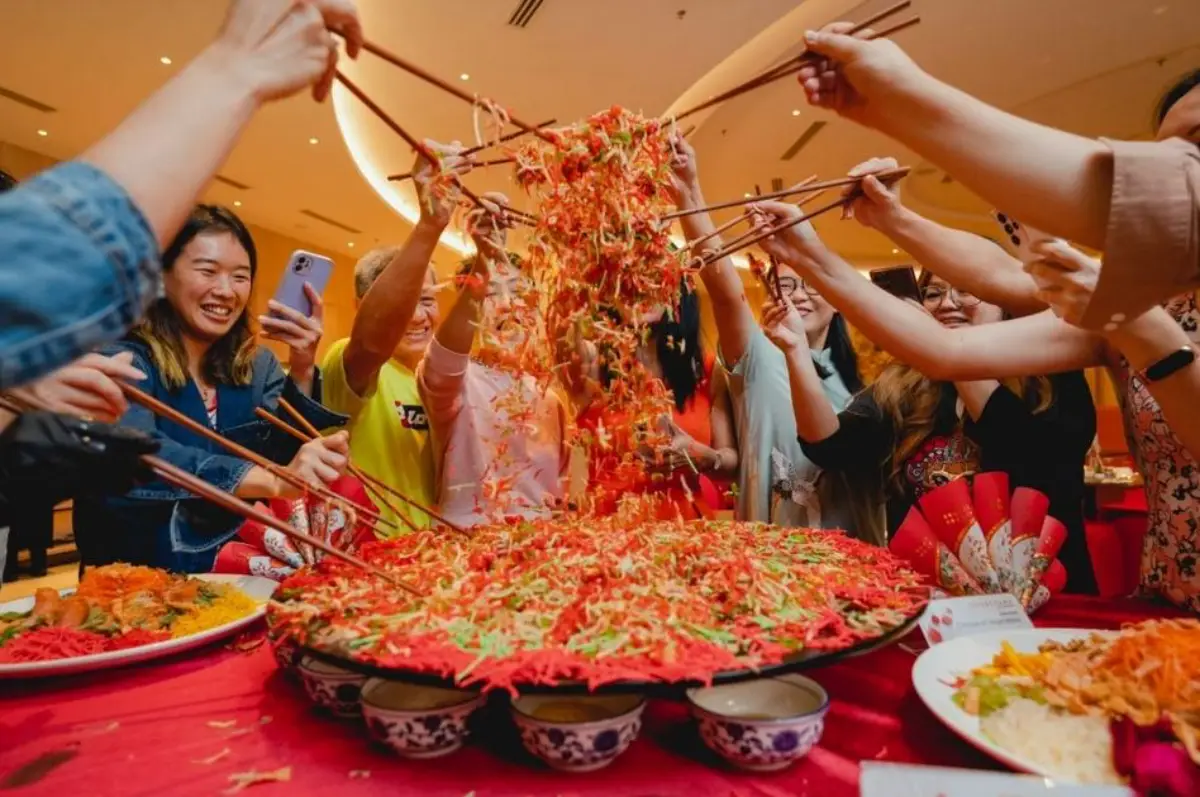
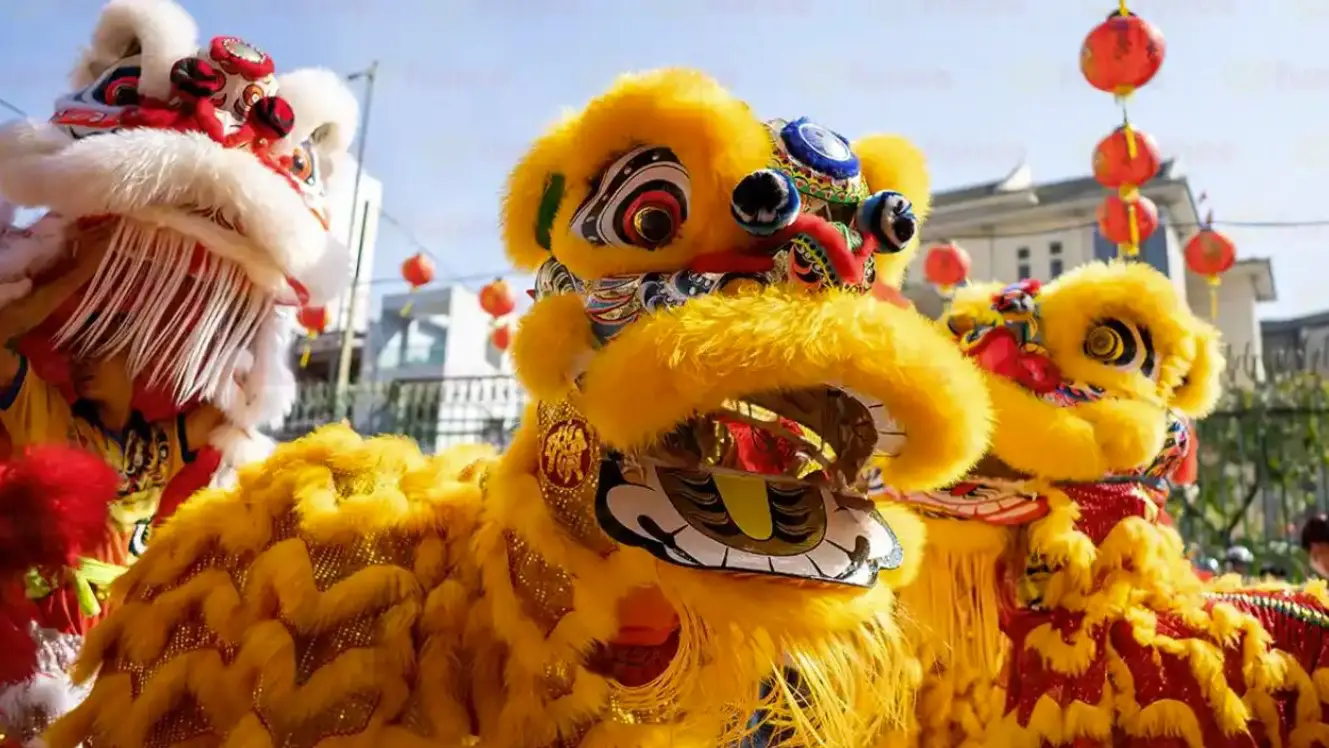
According to official announcements, roughly 30,000 themed events are scheduled across provinces and major cities, spanning temple fairs, folk performances, museum programs, food festivals, night tourism activities, and destination promotions. The events are designed to encourage longer stays, multi-destination trips, and increased spending on accommodation, dining, entertainment, and cultural experiences.
To support participation, authorities allocated 360 million yuan in consumption vouchers, equivalent to approximately US$51 million. These subsidies are being distributed through digital platforms and local tourism programs, offering discounts on attraction tickets, accommodation, transport services, and bundled tourism products.
In several regions, the tourism vouchers are being paired with broader consumer subsidies covering dining, retail purchases, and entertainment spending, creating integrated offers aimed at driving higher overall visitor expenditure during the holiday season.
Part of wider Spring Festival consumption stimulus
The tourism-focused campaign sits within a larger national consumption support program timed to the Spring Festival, traditionally China’s peak travel and spending period. In the days leading into mid-February, local governments across the country announced additional consumer incentives totaling more than 2 billion yuan, including cash-style digital red packets, shopping discounts, hotel subsidies, and transport promotions.
These measures are intended to reinforce domestic demand as millions of travelers move across the country to reunite with families, take holidays, and participate in seasonal cultural activities. Officials have positioned the Lunar New Year period as a strategic opportunity to support service industries that were among the slowest to recover in previous years.
Tourism authorities have emphasized the role of cultural programming in differentiating destinations and encouraging travelers to spend beyond basic transport costs. By linking festival traditions with local attractions, culinary experiences, and heritage sites, the campaign aims to channel holiday mobility into higher-value tourism consumption.
Year of the Horse cultural symbolism shapes festival programming
The 2026 Lunar New Year marks the Year of the Horse in the Chinese zodiac, a symbol traditionally associated with energy, movement, resilience, and prosperity. Cultural institutions and tourism authorities across China have incorporated horse-themed performances, exhibitions, folk art displays, and heritage storytelling into festival programming tied to the national tourism campaign.
Museums and historic districts are showcasing zodiac-inspired installations and traditional crafts, while local festivals are featuring equestrian folklore, costume parades, and seasonal rituals linked to themes of renewal and forward momentum. Tourism officials have positioned the symbolism as a cultural anchor to attract family travelers and younger audiences seeking immersive holiday experiences.
By aligning consumption incentives with zodiac-themed cultural content, authorities aim to strengthen emotional engagement with destinations while driving higher attendance at attractions, performances, and heritage sites throughout the Spring Festival period.
Record holiday travel volumes provide momentum
The launch of the cultural and tourism consumption drive coincides with the annual Spring Festival travel rush, the world’s largest seasonal movement of people. Transport authorities are projecting several billion passenger trips across rail, road, air, and waterways during the roughly 40-day travel window surrounding the Lunar New Year.
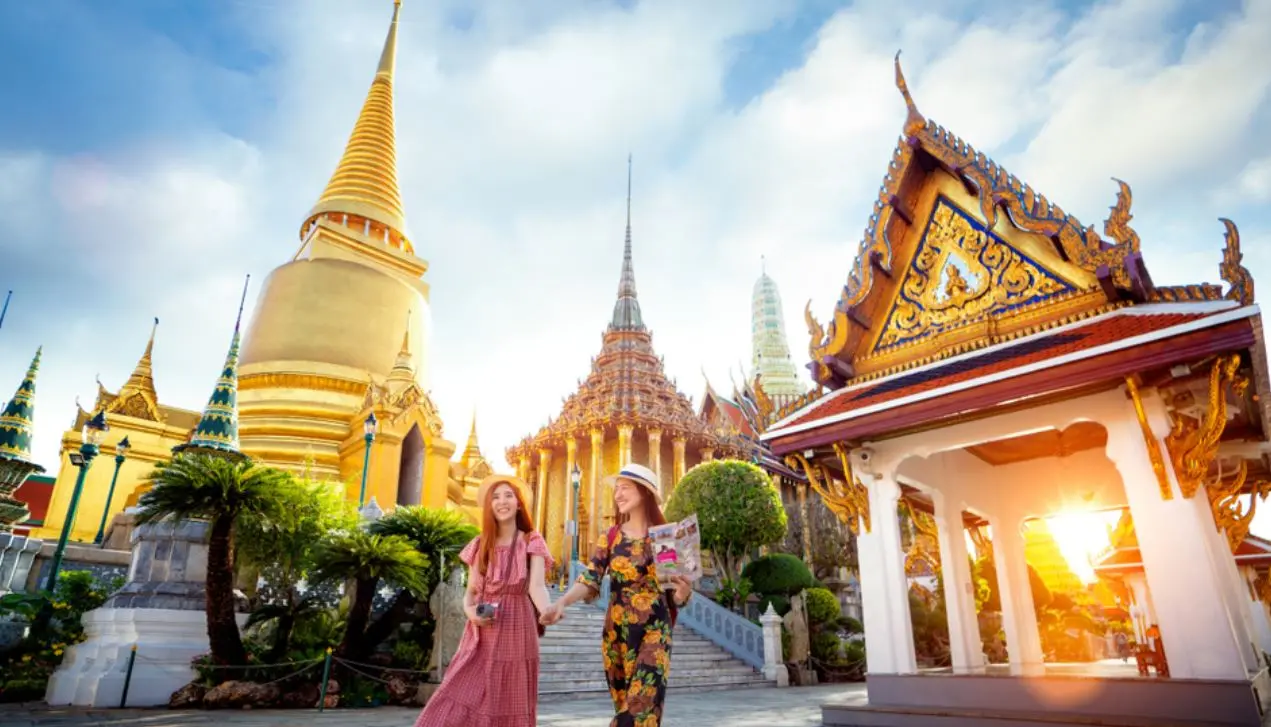
Early booking data and platform reports indicate strong demand for domestic leisure travel, with coastal cities, historic towns, winter resort destinations, and family-oriented theme parks among the most popular choices. Quanzhou itself has promoted heritage walking routes, temple fairs, and maritime history exhibitions as headline attractions during the campaign period.
Airlines and rail operators have increased capacity on major holiday corridors, while online travel agencies have launched Spring Festival bundles combining transport, hotels, attraction tickets, and voucher discounts tied to the national campaign.
Local tourism bureaus have also coordinated extended opening hours at major attractions, nighttime cultural performances, and temporary pedestrian zones around festival venues to accommodate increased visitor flows.
Focus on culture-led tourism growth
Beyond short-term spending, the Ministry of Culture and Tourism has framed the campaign as part of a longer-term strategy to integrate cultural resources more deeply into tourism development. Officials have highlighted the role of museums, historical districts, traditional festivals, and creative industries in attracting higher-spending domestic travelers.
Many of the 30,000 scheduled activities involve collaborations between tourism departments, cultural institutions, performance groups, and local businesses. These partnerships aim to package cultural experiences as market-ready tourism products rather than standalone public events.
In several provinces, heritage towns and scenic areas are piloting new ticket bundles, immersive performances, and festival-themed accommodation packages designed to extend average length of stay.
Tourism analysts note that consumption voucher programs have increasingly become a core policy tool for stimulating travel demand in China, particularly during peak holiday periods. When combined with targeted cultural programming, the incentives have shown stronger impacts on attraction visits and secondary spending.
The Lunar New Year campaign will continue through late February and into early March, overlapping with school holidays and post-festival leisure travel periods that traditionally see high volumes of domestic trips.
Authorities are expected to monitor visitor flows, voucher redemption rates, and spending patterns to assess the effectiveness of the program and shape future tourism consumption initiatives.
With travel demand already running at historically high levels for the Spring Festival season, the government’s focus is shifting from encouraging movement itself toward maximizing economic returns from tourism and cultural participation across destinations nationwide.
Photo Credit: Alen thien / Shutterstock.com