Capri has approved new regulations limiting organized tourist groups to a maximum of 40 people per visit, introducing additional restrictions on tour guide practices as part of a broader effort to address overtourism ahead of the 2026 summer season.
The measures, adopted by the island’s municipal authorities in early February, also require guides leading groups larger than 20 people to use wireless earpieces instead of loudspeakers and prohibit the use of umbrellas or flags to marshal visitors. Officials say the rules aim to ease congestion in the island’s narrow streets and improve the quality of life for residents and visitors.
The new regulations take effect for the upcoming peak season and apply to organized tour groups arriving on the island, which can receive up to 50,000 visitors per day during summer months, despite having a resident population of around 13,000 to 15,000. Local authorities describe the measures as part of a wider push in Italy to manage crowding at high-profile destinations facing sustained tourism pressure. The initiative places Capri among a growing list of European hotspots tightening controls on visitor flows.
New limits on organized tour groups
The municipal council approved the cap restricting organized groups to no more than 40 people at a time. Authorities state that larger groups contribute significantly to pedestrian bottlenecks, particularly in central areas such as the Piazzetta and along access routes to popular viewpoints and attractions.
Under the new framework, tour guides leading groups of more than 20 participants must use wireless audio systems with individual earpieces instead of traditional loudspeakers. Officials say this requirement is intended to reduce noise levels in densely populated areas and residential streets.
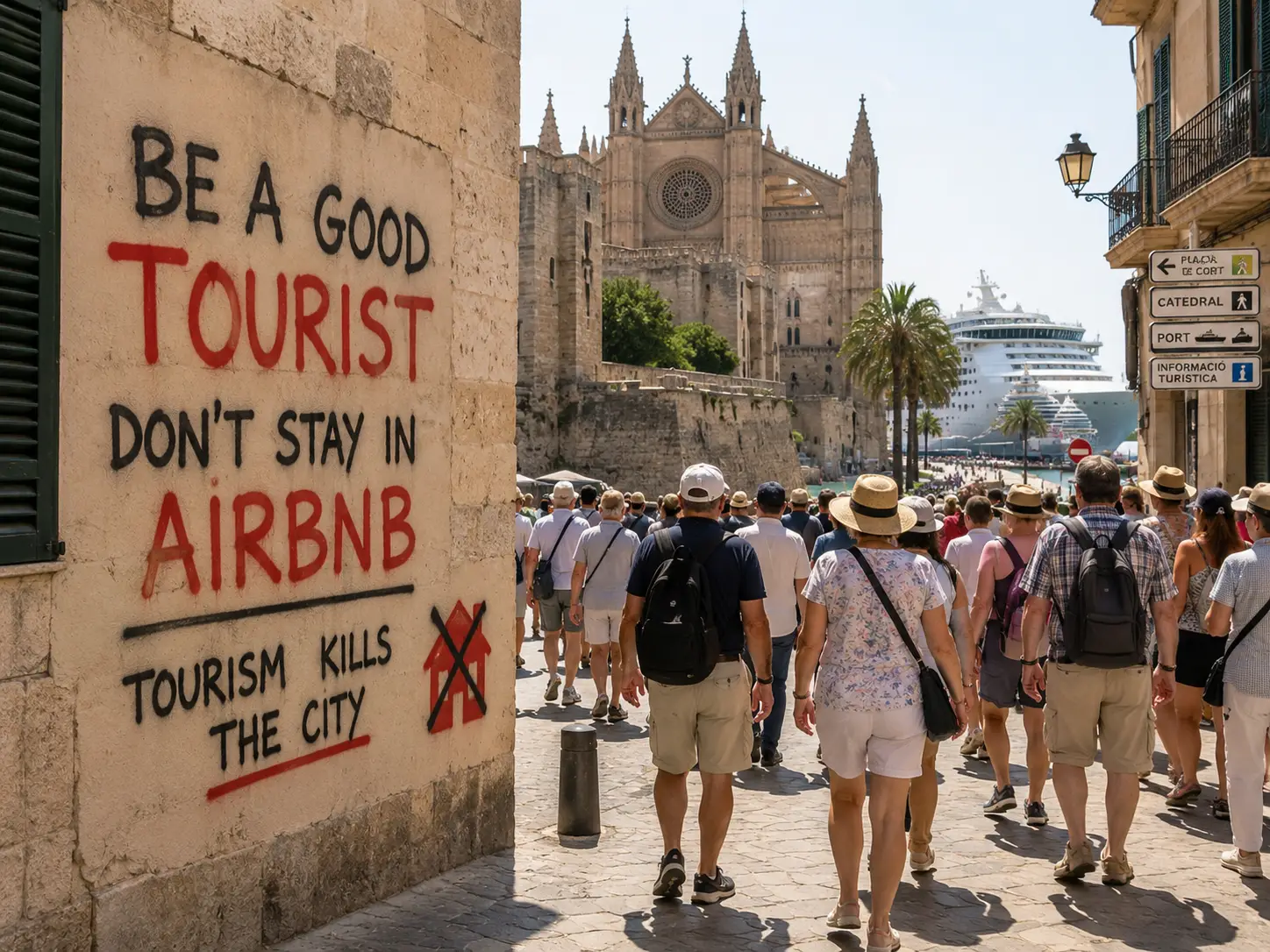
The rules also prohibit the use of umbrellas, flags, or other highly visible objects commonly used by guides to keep groups together. Guides must instead rely on less conspicuous identification methods. Local authorities argue that such items add to visual clutter and reinforce perceptions of mass tourism.
Capri’s mayor, Paolo Falco, has framed the measures as necessary to protect the island’s urban fabric and manage visitor flows more effectively during peak months. According to reporting by Italian and international media, Falco described certain tour formations as resembling “rebaños de ovejas,” reflecting concerns about large groups moving through confined spaces.
The island’s administration states that enforcement will focus on organized tour operators and licensed guides. Authorities have not announced numerical limits on total daily arrivals but indicate that regulating group size is a targeted intervention designed to address congestion without imposing blanket visitor caps.
Part of a broader overtourism response
Capri has long ranked among Italy’s most visited destinations, drawing day-trippers from Naples and the Amalfi Coast as well as cruise passengers and international travelers. During the high season, daily arrivals can outnumber residents by more than three to one, intensifying strain on infrastructure, public transport, and waste management systems.
The island’s economy depends heavily on tourism, but local officials have acknowledged mounting pressure from crowding, noise, and environmental impact. The new measures follow similar interventions across Italy, where municipalities have introduced access controls, visitor quotas, or behavioral restrictions in response to record tourism flows.
In recent years, destinations including Venice and Florence have implemented policies aimed at regulating short-term rentals, cruise ship access, and tourist conduct. Capri’s decision focuses specifically on organized groups, which authorities say can overwhelm narrow pedestrian routes and public squares during synchronized arrivals.
Industry observers note that the 40-person cap does not ban group tourism outright but seeks to distribute movement more evenly. Tour operators may need to restructure itineraries or split larger parties into smaller units to comply with the new requirements.
The introduction of mandatory earpieces for groups above 20 people aligns with noise-reduction strategies adopted in other historic centers. By limiting amplified sound, officials aim to preserve the residential character of central neighborhoods while maintaining guided tour services.
Capri’s municipal government has presented the measures as proportionate and targeted, emphasizing the need to balance economic benefits with sustainability. Authorities state that the rules are designed to improve both residents’ well-being and the visitor experience by reducing crowd density and noise levels.
The island’s tourism profile has strengthened during the post-pandemic recovery, driven by strong demand from European and long-haul markets. High-speed ferries and cruise connections contribute to concentrated arrival patterns, particularly during weekends and holiday periods.
Officials indicate that monitoring and evaluation will accompany the rollout of the new regulations during the 2026 summer season. Adjustments may be made based on compliance levels and the impact on pedestrian flow and public order.
Capri’s move reflects a broader debate across Europe over how to manage tourism growth in destinations with limited physical capacity. While national tourism bodies continue to promote Italy globally, local administrations are increasingly deploying regulatory tools to mitigate the effects of peak-season crowding.
The 40-person cap and associated restrictions represent Capri’s latest attempt to reconcile high visitor demand with preservation of its historic streetscape and residential environment. With the measures now approved, tour operators and guides face new operational parameters as the island prepares for another busy summer.
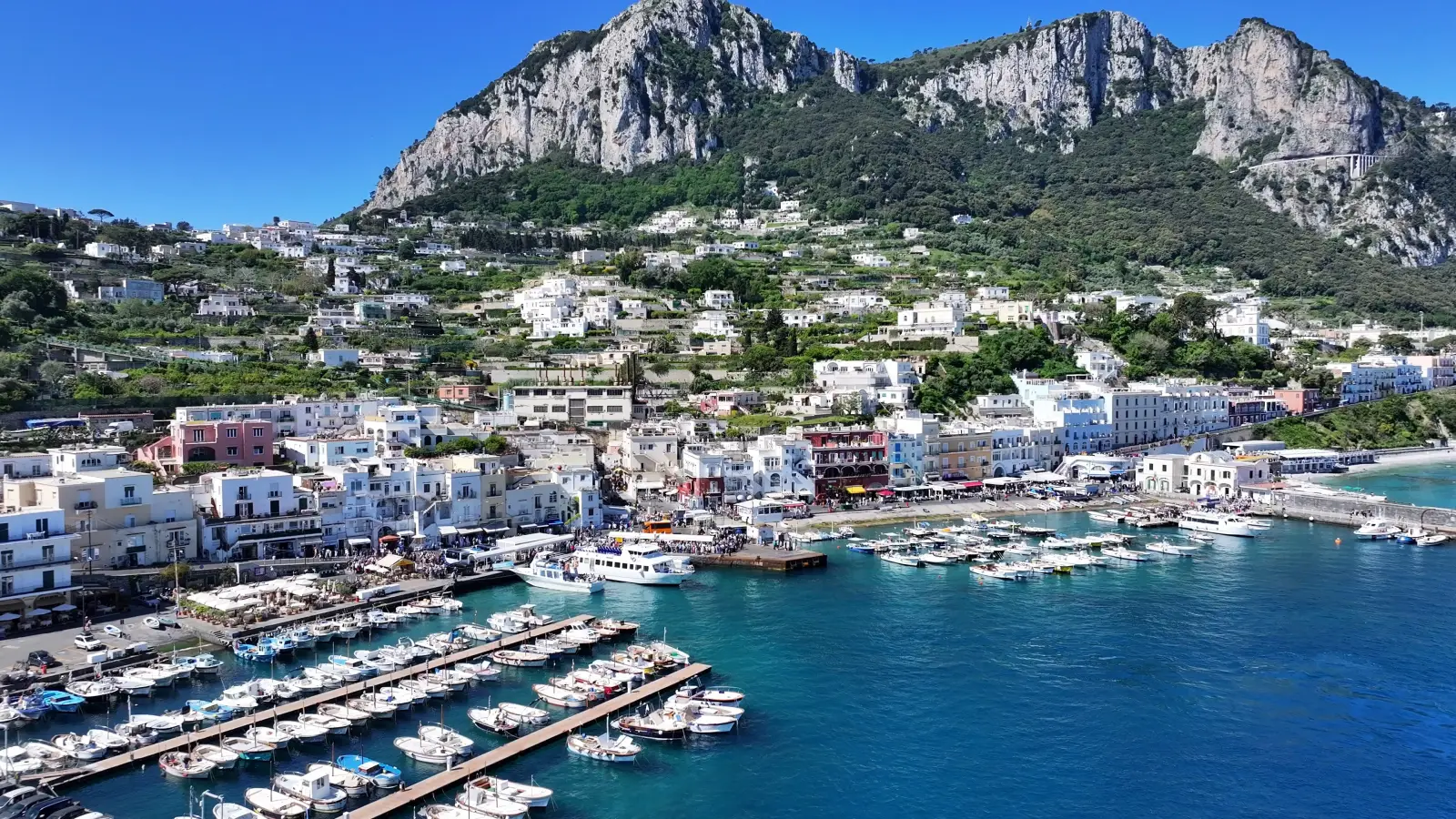
Photo Credit: ByDroneVideos / Shutterstock.com