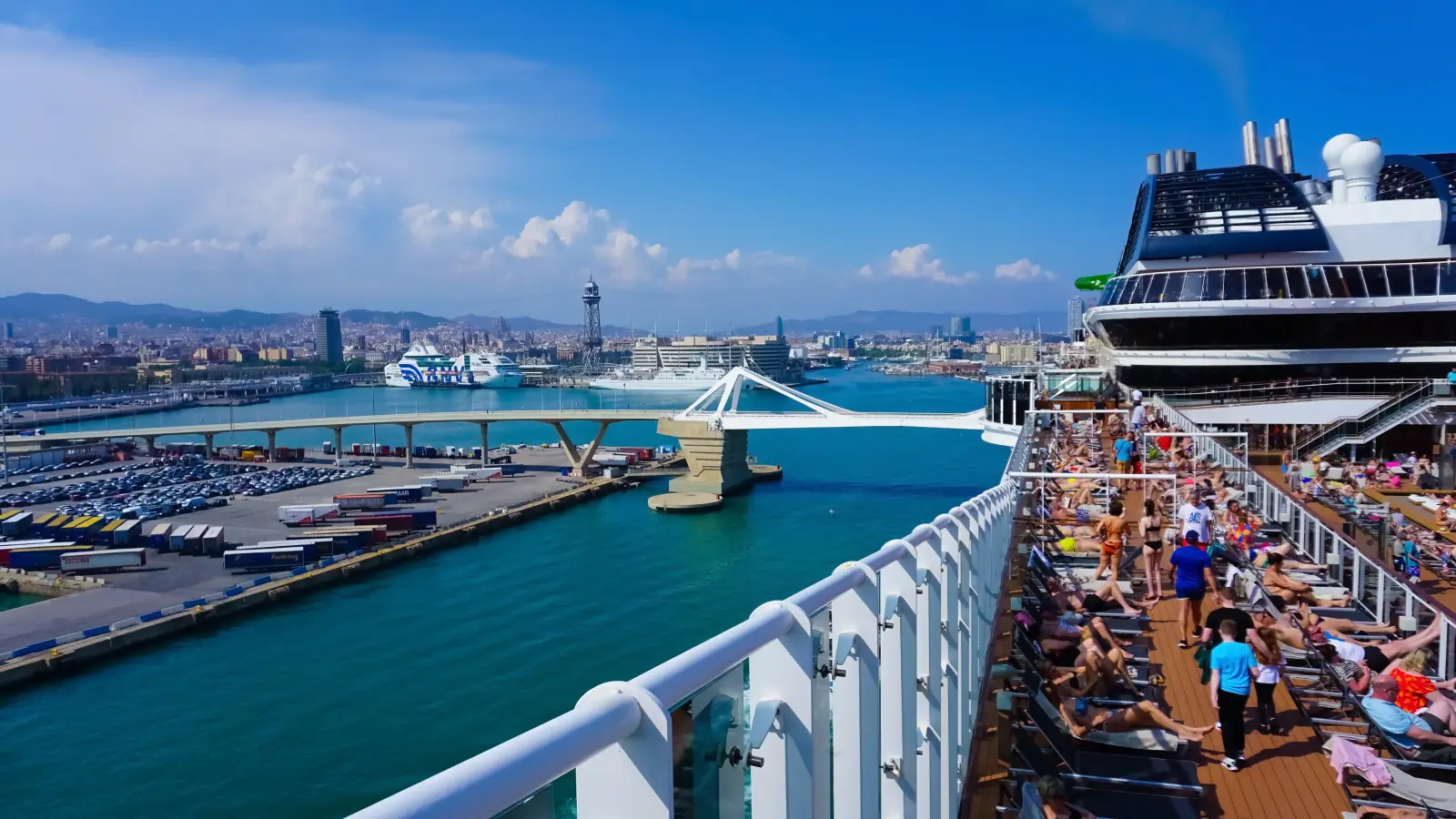
Barcelona’s latest attempt to curb the overwhelming influx of cruise tourism is stirring controversy. While the city’s new agreement with the Port of Barcelona promises to reduce the number of cruise terminals from seven to five, critics argue that the move does little to address the deeper challenges posed by mass tourism.
This effort, which includes demolishing three terminals—A, B, and C—and replacing them with a new mega-terminal capable of handling 7,000 cruise passengers, has drawn the ire of local activist group Stop Creuers. The platform says the protocol, announced last week, only reinforces the city’s reliance on cruise traffic while creating the illusion of meaningful reform.
Critics Call the Plan “Insufficient” and Misleading
In a sharply worded statement released Wednesday, Stop Creuers described the city’s plan as “insufficient” and accused local officials of watering down demands raised by citizen movements. The group argues that the agreement not only fails to decrease the number of cruise passengers visiting Barcelona but also paves the way for continued growth in the industry.
“Once again, the Barcelona City Council takes a proposal from social movements and presents a measure that looks years ahead, completely diluting the original demand,” the statement read. The organization asserts that the city government’s aim is to defuse social pressure while appearing to address the problems caused by the cruise industry.
Stop Creuers had previously demanded the free and immediate closure of one terminal and the closure of two more within two to three years. It also called for the cancellation of the planned Terminal G—awarded to Royal Caribbean—and an assessment of the feasibility of closing the remaining cruise terminals.
The New Terminal Raises Further Concerns
A central point of contention is the newly proposed cruise terminal, which will replace the three older ones. Designed to accommodate up to 7,000 passengers, the terminal is seen by critics as a step backward rather than forward.
Stop Creuers warns that the new infrastructure could perpetuate, if not exacerbate, the negative ecological and economic effects associated with cruise tourism. In their view, consolidating terminals may appear to be a reduction, but in practice, it continues to prioritize cruise traffic over local well-being.
“The freed space will be occupied by the new Terminal C and its associated services,” the platform stated, “which means it won’t be available for public enjoyment and will remain in service of the cruise industry.”
Barcelona’s Governance Under Scrutiny
The platform links the decision to a broader critique of Mayor Jaume Collboni’s administration, accusing it of favoring corporate interests over public demands. The move, they claim, is part of a governance style that prioritizes the city’s economic alliances at the expense of its residents.
Stop Creuers believes the agreement is primarily designed to reduce public dissent rather than implement genuine change. “There is no actual degrowth plan,” the group emphasized. “This measure lays the foundation for continued growth in cruise traffic while trying to reduce social conflict around the issue.”
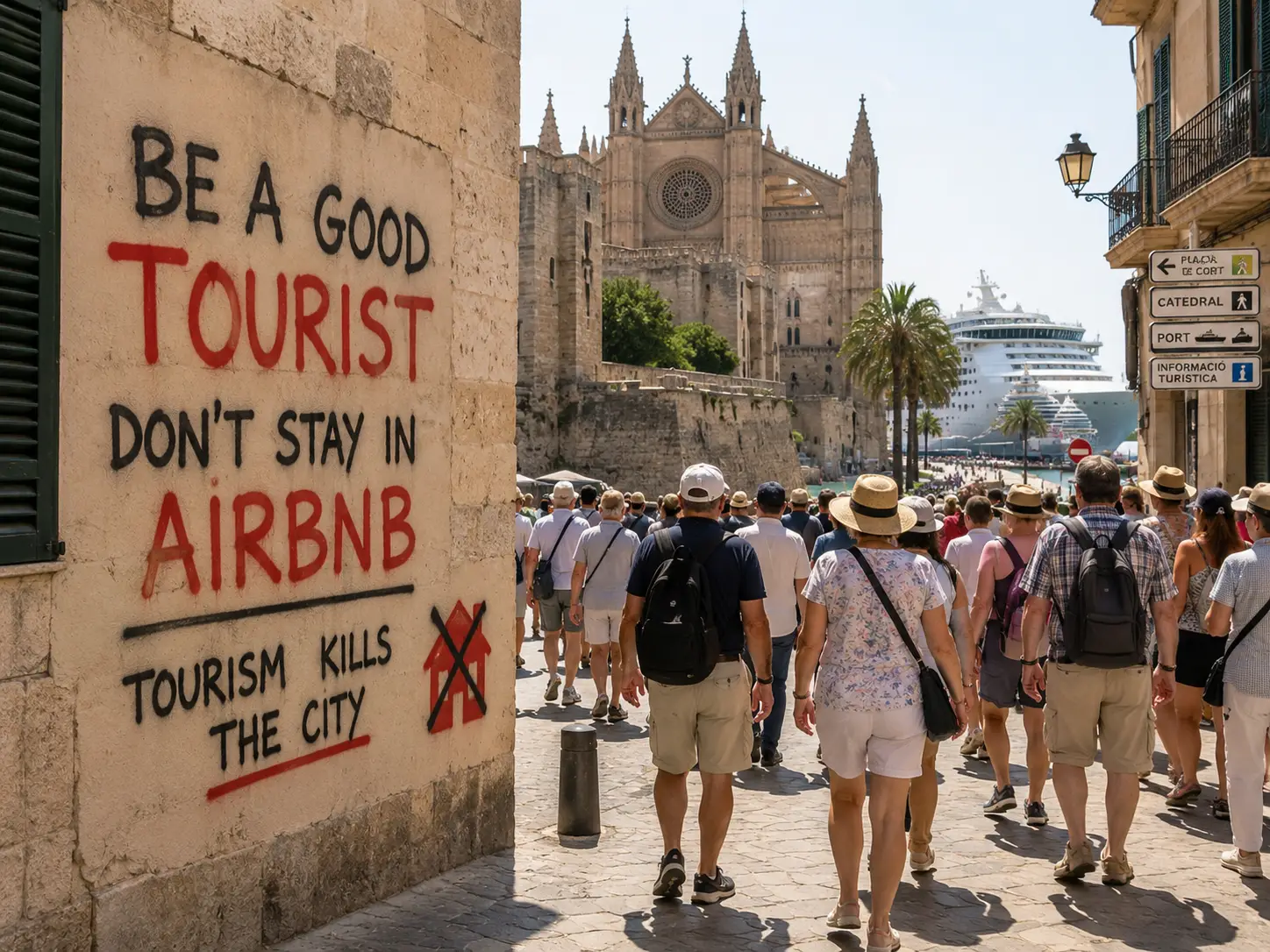
The group’s skepticism comes amid growing unease in Barcelona about the impacts of mass tourism, particularly its strain on housing, infrastructure, and environmental resources. In surveys, residents increasingly cite tourism—and especially cruise tourism—as among the city’s most pressing problems.
Economic and Environmental Pressures Intensify
While proponents of cruise tourism often highlight its economic benefits, such as increased spending in local shops and restaurants, Stop Creuers disputes the narrative. They argue that the true costs—including pollution, congestion, and the erosion of local quality of life—far outweigh the benefits.
Barcelona has long been one of Europe’s busiest cruise ports, often topping global rankings for cruise passenger traffic. Critics say this popularity has turned the city into a “tourism machine,” with infrastructure increasingly geared toward accommodating short-term visitors rather than long-term residents.
| Year | Cruise Ship Calls | Estimated Cruise Passengers |
|---|---|---|
| 2019 | 830 | 3.1 million |
| 2022 | 718 | 2.3 million |
| 2024 (projected) | 765 | 2.8 million |
According to Stop Creuers, this trajectory contradicts any claim that Barcelona is taking meaningful steps toward reducing cruise-related tourism. Rather than curbing the tide, the city may simply be channeling it more efficiently through new, high-capacity infrastructure.
Public Space and Urban Livability at Stake
Beyond environmental and economic concerns, the debate also centers on the use of public space. Activists fear that prime coastal land will remain locked in private use, unavailable for recreation or community benefit.
“We’re not just talking about ships and terminals—we’re talking about who gets to use the city’s most valuable waterfront,” the group stressed. By allocating this space to cruise operations, the city misses an opportunity to restore it to the public realm.
As the debate continues, pressure is mounting on the city to revise its strategy. With the eyes of environmentalists, residents, and the travel industry alike on Barcelona, the next moves by the Port and City Council will likely be watched with intense scrutiny.
Photo Credit: Solarisys / Shutterstock.com