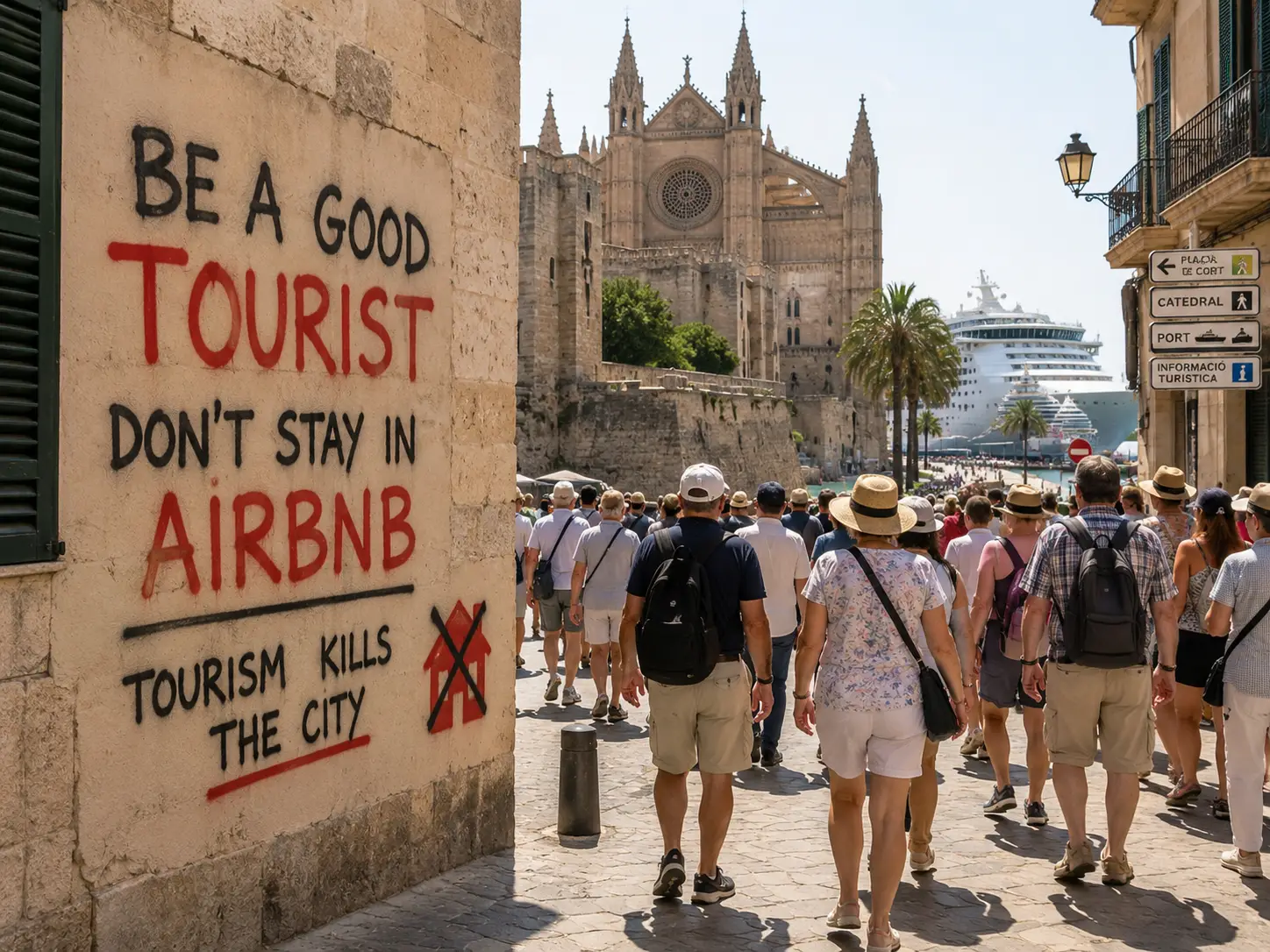
Cape Town is moving to curb the rise of short-term rentals as the South African city grapples with overtourism and a growing share of housing being used for visitors rather than residents. A new by-law could allow the city to charge special rates to property owners who rent out homes for commercial use.
The proposal puts one of Africa’s most visited cities in line with other destinations that have faced similar pressure from fast-growing tourism, including Barcelona and San Francisco. It comes amid concern that popular neighbourhoods are losing long-term housing to the short-let market.
The issue has become increasingly contentious in Cape Town, where tourism supports the local economy but also strains housing supply. The city has not yet said when the by-law could take effect, but the measure signals a tougher approach to regulating property used for tourist accommodation.
Short-term rentals have become a flashpoint in many major cities around the world, with local authorities trying to balance visitor demand with residents’ needs. In Cape Town, that balance is particularly sensitive because housing affordability and tourism growth have both been under pressure for years.
The city is now considering whether owners who earn income from letting out properties on a commercial basis should pay higher rates. Supporters of tighter regulation say it could help restore fairness between residential homeowners and landlords who profit from tourism demand.
Opposition, however, often argues that short-term letting helps small property owners earn extra income and gives visitors more choice. Similar debates have played out in destinations from Europe to North America, where officials have imposed limits, taxes or licensing rules on holiday rentals.
Cape Town’s move reflects a broader shift among cities trying to manage the effects of their own popularity. As international travel rebounds and demand for accommodation grows, authorities are increasingly looking for ways to prevent tourism from pushing local residents out of central areas.
In Cape Town, the debate is likely to continue as officials weigh the economic value of visitor spending against the social cost of reduced housing availability. For now, the proposed by-law shows that the city is prepared to use planning and tax rules to address the pressure of overtourism.
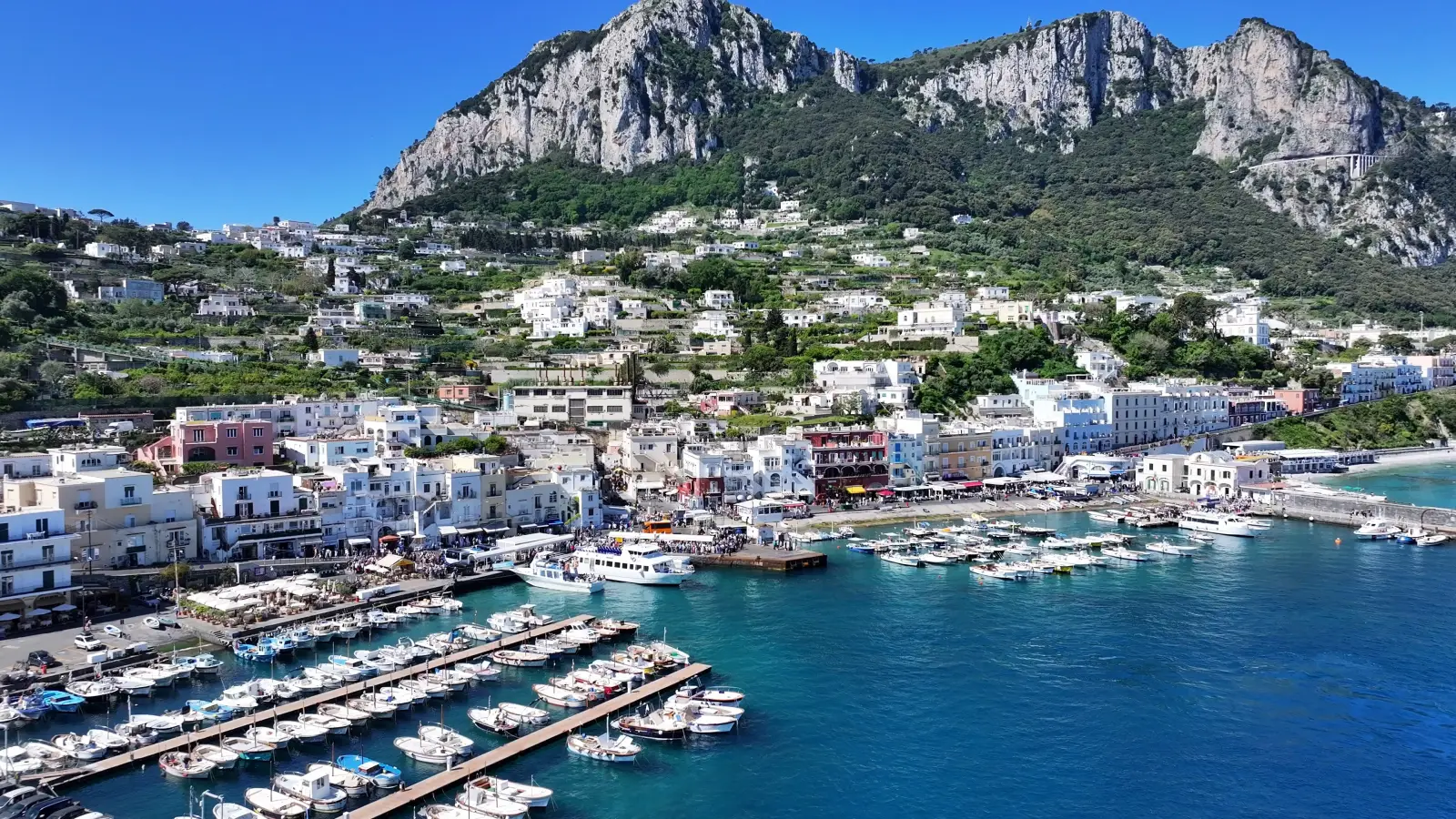
Photo Credit: ByDroneVideos / Shutterstock.com