Greece is tightening access to some of its most popular coastal areas, with officials announcing a new plan to limit tourist pressure on beaches, islands and heritage sites.
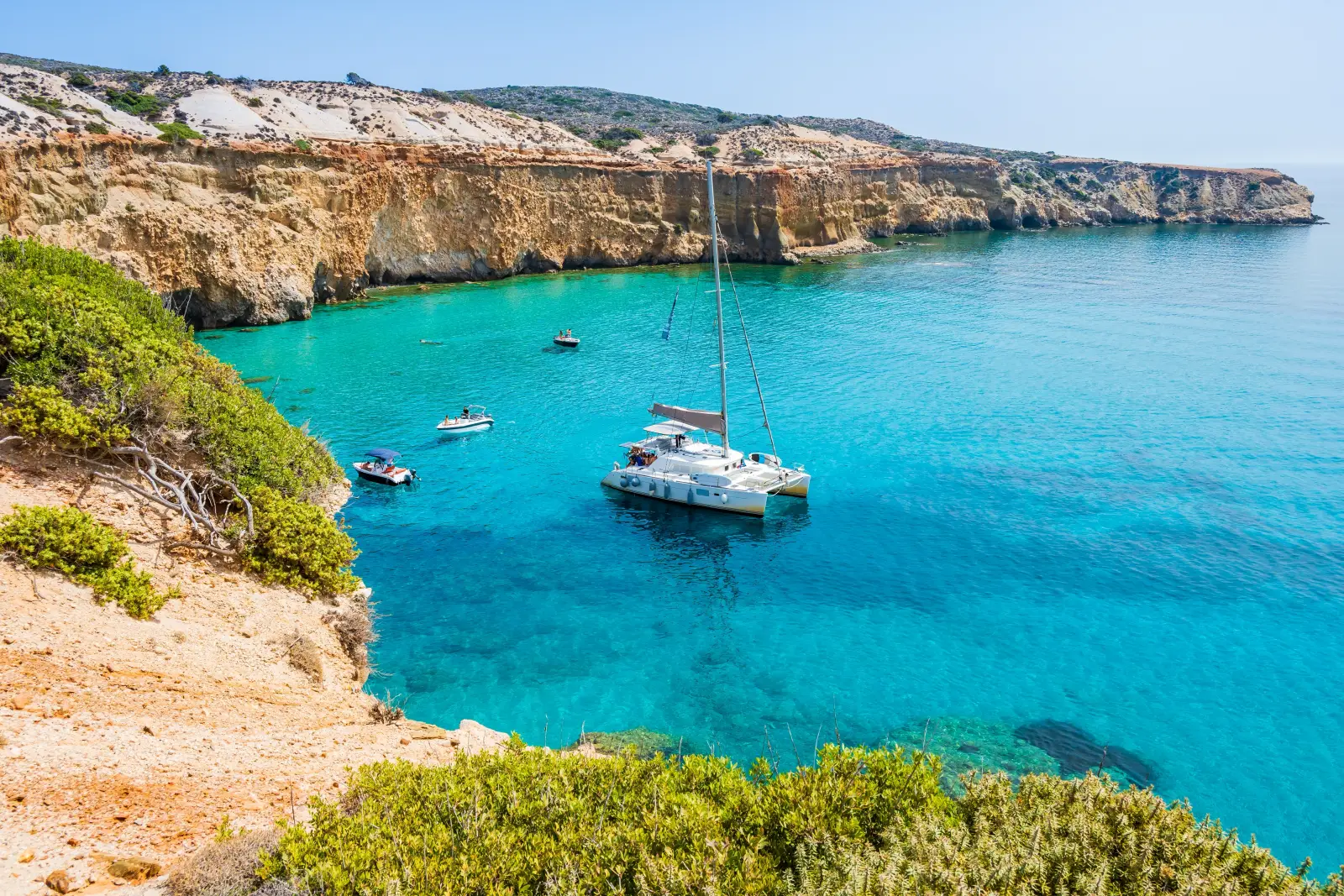
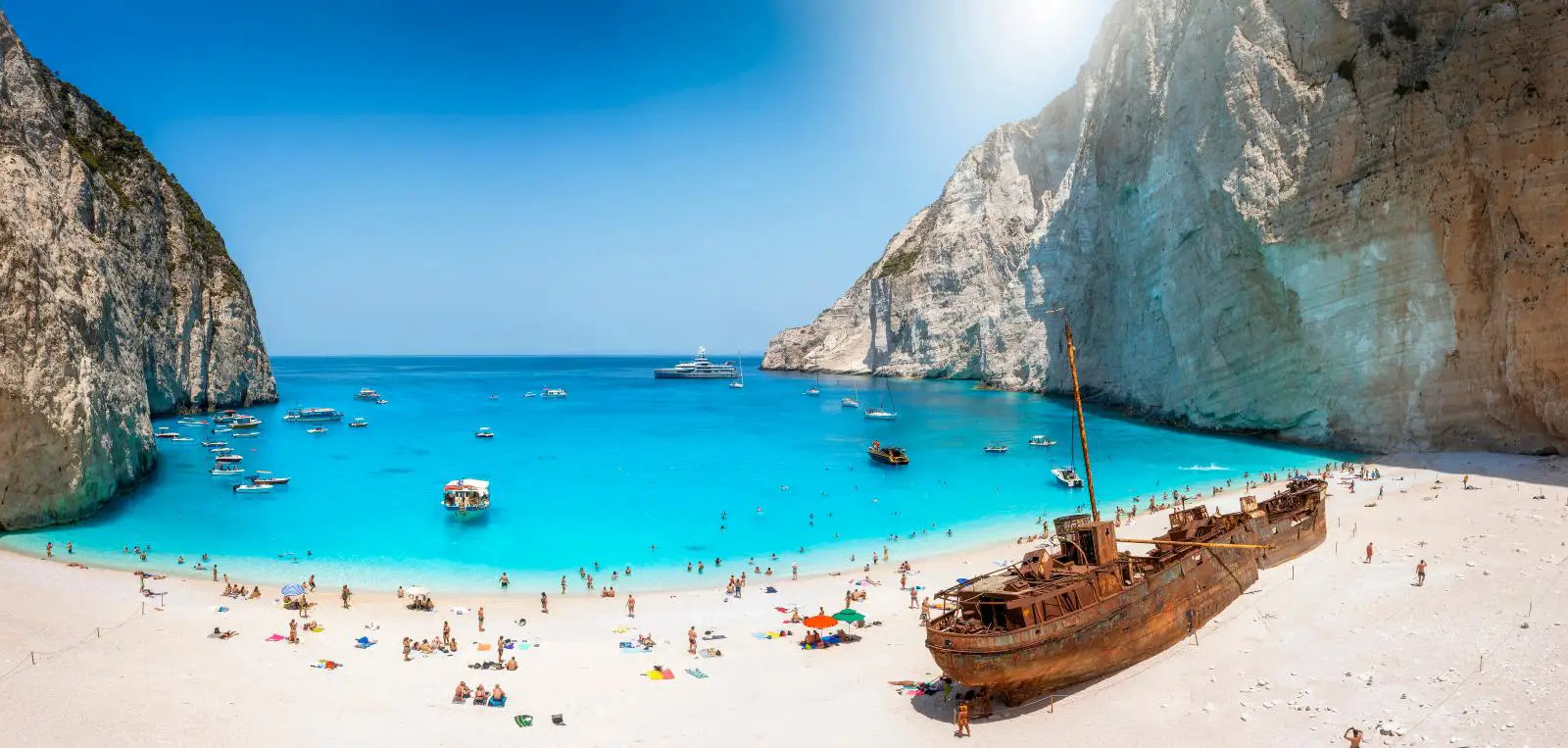
The measures include a ban on sunbeds on more than 250 beaches this summer, plus restrictions on entry to certain areas as the country seeks to curb the effects of overtourism.
The government says the policy is designed to protect the natural landscape, preserve local character and shift the country towards what it describes as higher-quality tourism.
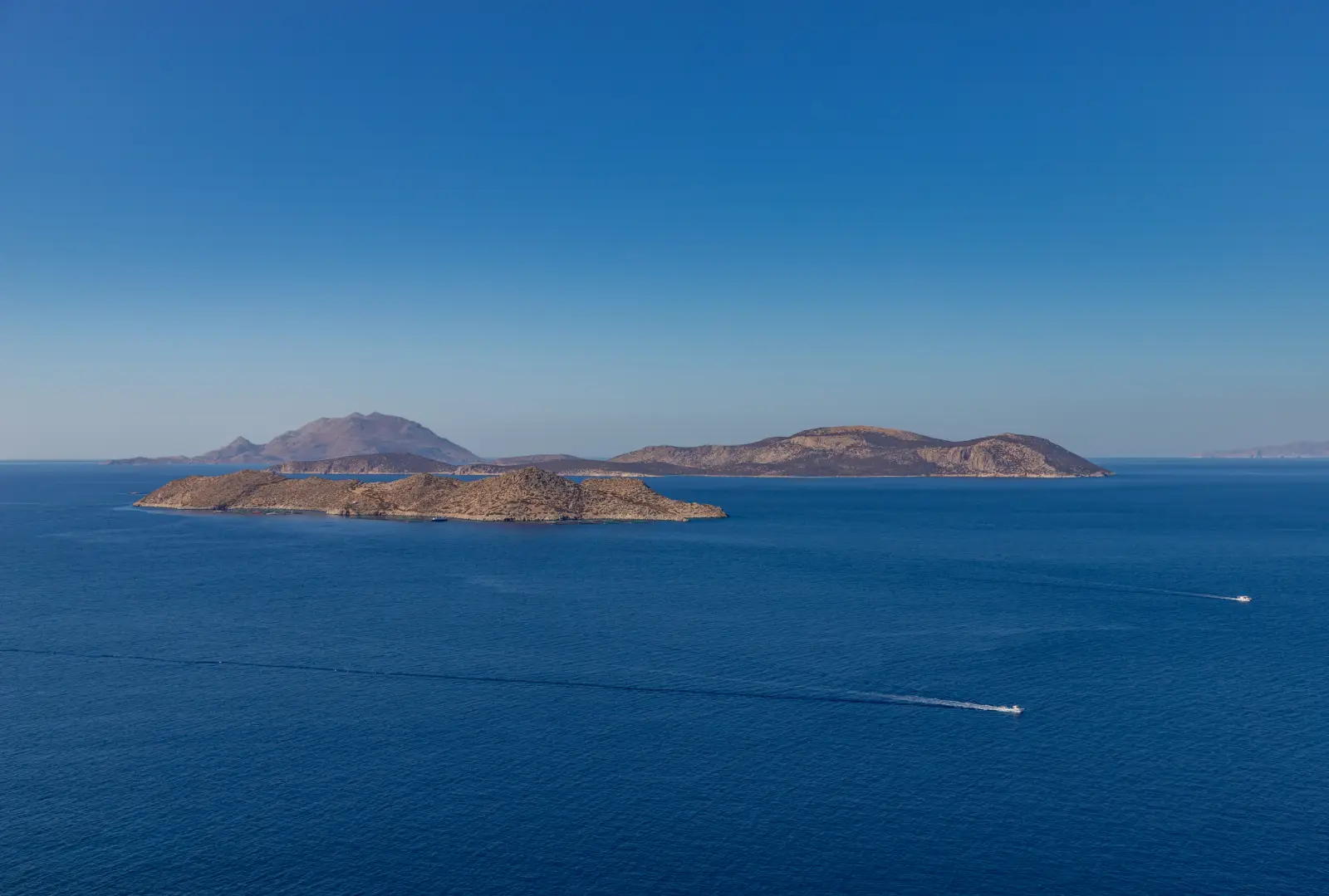
The plan, known as the Special Spatial Programme, has been prepared by the environment, energy and tourism ministries. It aims to protect Greece’s 6,000 islands and more than 13,000km of coastline from uncontrolled development and environmental damage.
Authorities have divided the country into five categories based on tourism pressure and ecological sensitivity. These are areas with high tourism load, zones with development potential, protected areas, island destinations and mainland regions.
The classification will allow officials to impose different levels of control depending on local conditions. The government says the aim is not to stop tourism but to manage it more carefully.
Among the strictest rules is a ban on building within 25 metres of the coastline. Officials also plan to limit the total number of tourist facilities on certain islands to reduce pressure on fragile environments.
The sunbed ban is one of the most visible measures in the new package. Officials say laying out sunbeds on these beaches harms the natural shape of the coast and restricts public access.
The restrictions are being introduced under an “ecological protection” approach, which the government says puts conservation ahead of commercial use. The move is likely to affect some of the country’s busiest summer spots.
The programme also introduces new protections for historic monuments and archaeological sites, where tourist numbers can place heavy strain on infrastructure and conservation efforts.
Greece is already using similar controls at the Acropolis in Athens, where daily visitor limits and advance booking requirements introduced last year remain in place.
Officials say those measures were meant to reduce damage to one of the country’s most visited landmarks rather than block access entirely. The latest rules extend that approach to coastal and island destinations.
The government argues that the new strategy will help stop unchecked growth from damaging both cultural heritage and the environment. It says the changes are intended to preserve the long-term appeal of Greece’s tourist industry.
The new policy reflects a wider shift across Europe, where popular destinations are facing growing pressure from visitor numbers, rising housing demand and concerns about local services. Greece, which depends heavily on tourism, is now among the countries trying to balance visitor income with protection of community life and natural resources.
For travellers, the changes mean some beaches and sites may become harder to access, while others could face new booking rules, entry controls or development limits. The government says the rules will apply according to each area’s category and sensitivity.
Photo Credit: fokke baarssen / Shutterstock.com