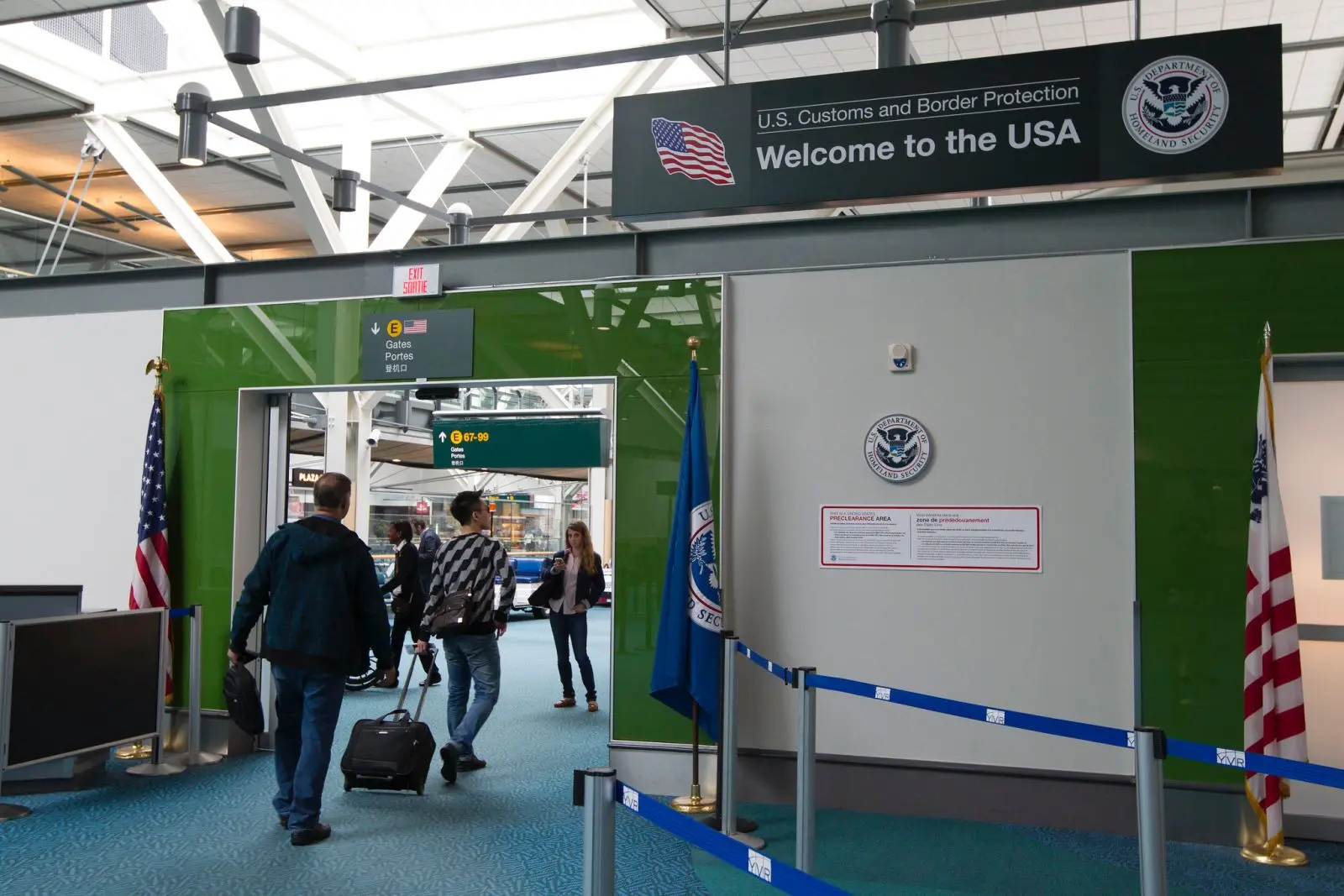
TSA One Stop Security’s modernization of U.S. travel is the latest milestone in a larger movement to improve the nation’s air travel infrastructure. The launch of the new streamlined screening process marks a decisive shift away from outdated security procedures that have long caused delays and frustrations for international passengers.
Announced this week, the One Stop Security (OSS) program will initially apply to certain inbound flights from London Heathrow Airport. By allowing travelers who have already undergone security screening abroad to bypass redundant checks upon arrival in the U.S., OSS aims to ease congestion and enhance the passenger experience.
From Redundancy to Efficiency: What OSS Means for Travelers
The OSS program enables eligible passengers to clear security only once before departure, eliminating the need for repeat screening during connecting flights in the U.S. This not only shortens layover times but also improves airport efficiency at a time when travel volumes are rising.
Geoff Freeman, President and CEO of U.S. Travel, hailed the program as a “long-overdue step” toward modernizing the American travel experience. The initiative is designed to facilitate seamless entry for international visitors and bolster U.S. airports’ competitiveness on the global stage.
As the country prepares to host large-scale global events—such as America 250 in 2026, the FIFA World Cup, and the 2028 Olympic Games—there is increased pressure to align U.S. travel protocols with international best practices. OSS is positioned as a cornerstone of that transformation.
Strategic Timing Amid Rising Global Expectations
The implementation of OSS comes as the U.S. faces intense scrutiny over the inefficiencies of its airport systems. Recent calls for modernization have grown louder as travelers encounter long lines, outdated technology, and inconsistent policies.
By launching OSS now, TSA is signaling its intent to meet global standards and expectations. The move complements broader changes already in motion, including improved airport staffing levels, air traffic control upgrades, and the long-awaited end of the shoe removal rule for security screening.
Together, these improvements form the foundation of what stakeholders hope will be a world-class travel system—one that is secure, efficient, and welcoming to global visitors.
U.S. Travel’s Role in Accelerating Progress
The advocacy organization U.S. Travel has long pushed for OSS as part of a larger agenda to enhance the international travel experience. Their efforts helped shape the vision behind the Commission on Seamless and Secure Travel, which earlier this year released a series of recommendations aimed at revamping U.S. entry systems.
The commission specifically called for the long-term reauthorization of the OSS pilot and the establishment of at least five formal international screening agreements within the next five years. These recommendations emphasize both security and convenience as guiding principles for future travel policy.
Freeman noted that while OSS represents meaningful progress, the U.S. must resist implementing counterproductive policies, such as the proposed $250 visitor visa fee. He warned such moves could “undermine our global competitiveness” and send the wrong message at a time when openness and innovation are essential.
Benefits of OSS Implementation
- Eliminates redundant security checks for eligible inbound passengers
- Reduces connection times at major U.S. airports
- Aligns U.S. travel protocols with global standards
- Improves airport operational efficiency
- Boosts international traveler satisfaction
Early Launch from London Heathrow Sets the Pace
The pilot launch at London Heathrow—one of Europe’s busiest and most well-connected airports—serves as a strategic choice. It allows TSA to monitor operational logistics, passenger feedback, and potential hurdles in real time before rolling out the program at additional international hubs.
If successful, OSS could eventually apply to flights from other key international airports, offering an incentive for broader adoption and cooperation between nations. The goal is to form a global network of trusted airports with harmonized security standards, reducing friction and strengthening relationships.
Ultimately, OSS represents more than just a technical upgrade. It is part of a broader narrative about restoring traveler confidence, modernizing infrastructure, and enhancing the nation’s reputation as a top-tier destination.
| Key Feature | Previous System | One Stop Security |
|---|---|---|
| Security Screening | Conducted at origin and again upon U.S. entry | Conducted once at origin airport |
| Layover Duration | Often extended due to re-screening | Reduced due to direct terminal access |
| Passenger Flow | Frequent bottlenecks and congestion | Smoother flow through airports |
As airports around the world continue to adopt biometric ID systems, contactless checkpoints, and artificial intelligence-based screening tools, the U.S. is finally taking concrete steps to modernize its travel ecosystem. The success of OSS could mark a pivotal turning point in that journey.