Tourism reputation declines in Basque Country amid local protests as tensions rise between economic growth and community well-being. According to the latest LLYC Tourism Perception Barometer, the region scored just 3.9 out of 10 in the second quarter of 2025, a significant drop from the previous year.
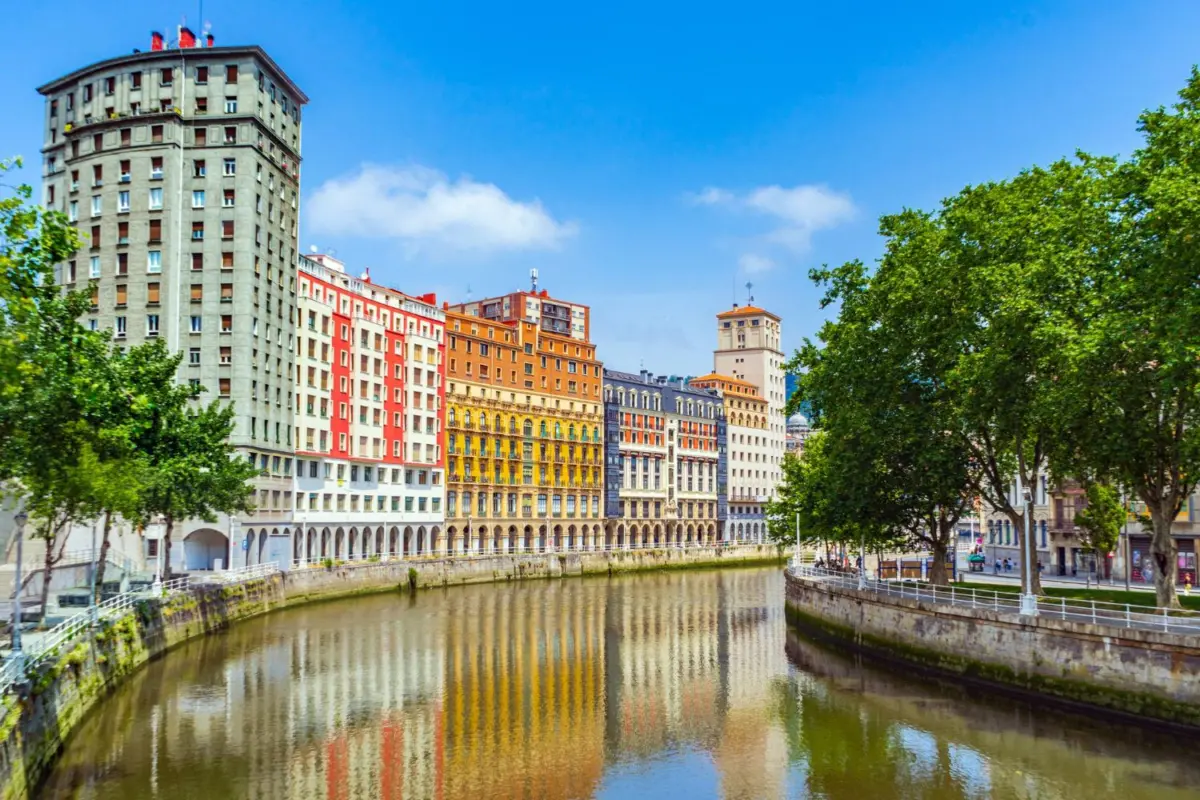
The findings, based on over 6,000 digital comments, reveal a growing dissatisfaction with tourism’s effects on daily life, particularly in Bilbao and San Sebastián. More than half of the analyzed mentions were negative, highlighting mounting frustration within local communities.
Negative Perceptions Driven by Gentrification and Housing Pressure
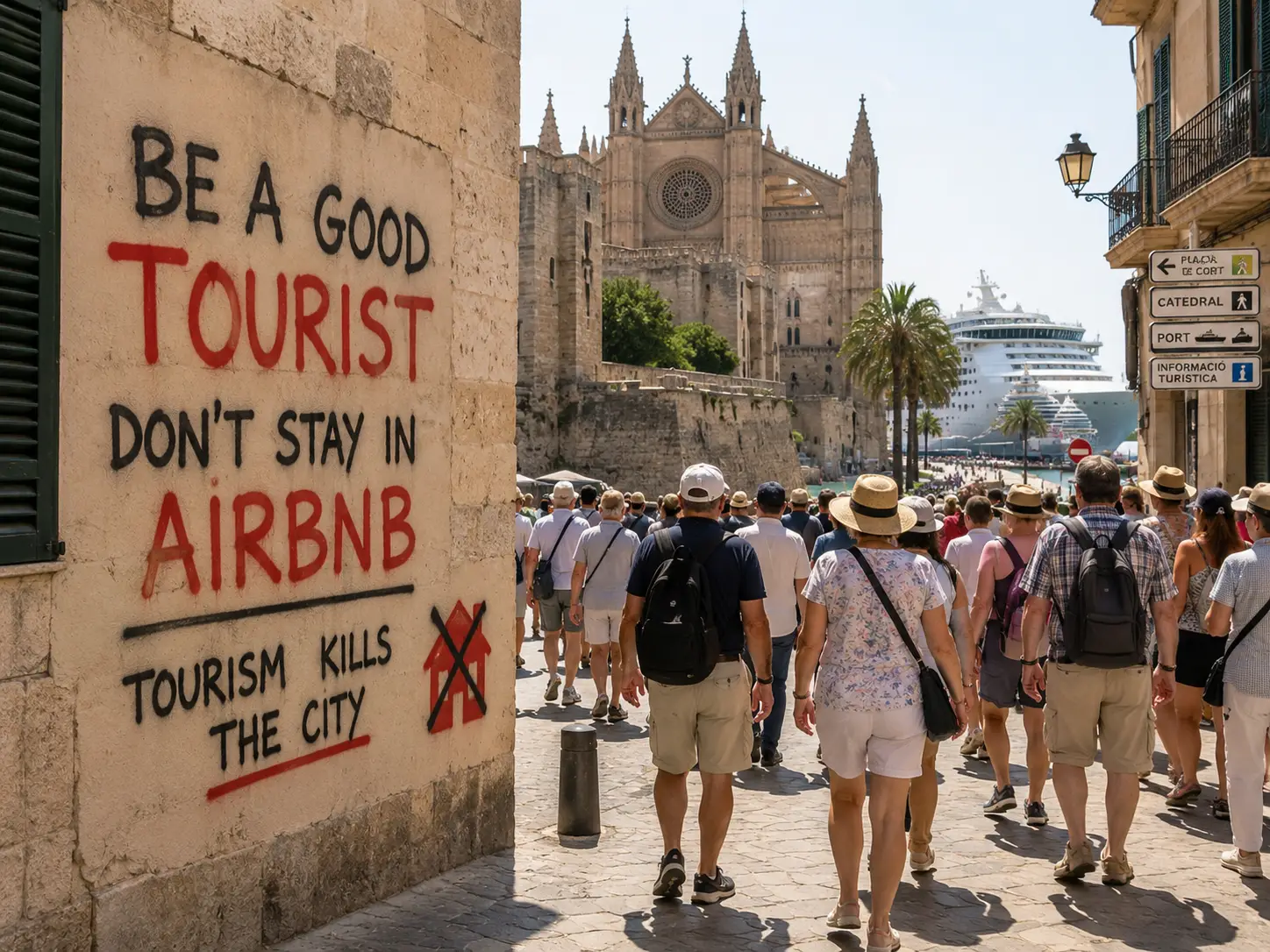
One of the key concerns expressed by residents is the increasing touristification of neighborhoods. Demonstrations against gentrification have intensified, as citizens push back against what they see as a growing invasion of their local culture and lifestyle.
The rise of souvenir shops and the closure of traditional businesses contribute to the feeling that parts of Bilbao and San Sebastián are transforming into spaces designed more for visitors than for residents. Locals fear that the cityscapes they call home are being reshaped without their consent.
Housing has become a flashpoint in the debate. As tourist accommodations multiply, so do rent prices, pushing long-term residents out of central areas. This growing inaccessibility to housing is a critical factor behind the negative shift in public perception of tourism.
Tourism-Linked Social Conflicts on the Rise
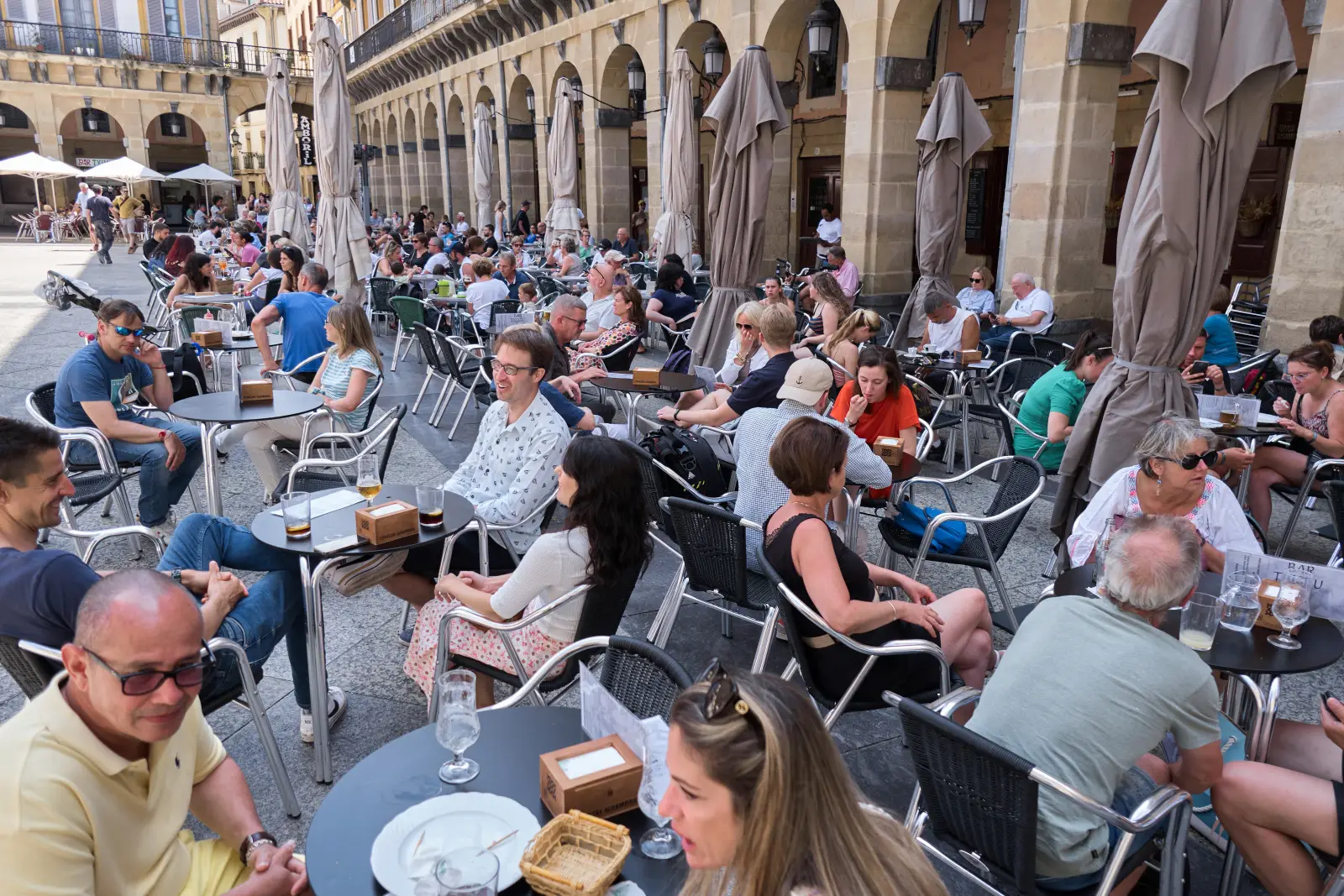
Beyond economic concerns, the report also highlights a surge in social conflicts linked to tourism. Residents report an uptick in uncivil behavior, ranging from noise and overcrowding to public disturbances that disrupt everyday life.
Some locals also feel that tourism is creating an elitist atmosphere in their cities. With exclusive experiences increasingly catering to affluent visitors, segments of the population feel marginalized or excluded from their own urban spaces.
This sense of alienation is deepening resentment and fueling a broader critique of the region’s tourism model. Despite the sector’s economic contributions, the social cost is becoming too visible to ignore.
Positive Developments Not Enough to Offset Decline
The LLYC report does acknowledge bright spots in the Basque Country’s tourism sector. Major events like the Basque Fest and the UEFA Europa League final have brought global attention and cultural enrichment to the region.
The launch of the Bilbao-New York flight route has been particularly well received, offering improved connectivity for American travelers and positioning Bilbao as a hub for transatlantic tourism.
Cities like Vitoria-Gasteiz are also taking proactive steps toward inclusive, sustainable tourism, implementing tech-driven and accessible solutions. However, these efforts remain limited in scale and have yet to shift public perception significantly.
Public Sentiment vs. Sector Growth
The gap between the tourism industry’s progress and public sentiment continues to widen. While cultural and economic milestones are celebrated, the lived experience of many locals tells a more complex story.
According to the report, even well-regarded events and infrastructural improvements fail to balance out the discontent caused by everyday disruptions and long-term structural pressures.
Without substantial changes in how tourism is regulated and distributed across the territory, public perception is unlikely to improve. The call for territorial redistribution and tighter control measures is growing louder.
| Indicator | Q2 2024 | Q2 2025 | Change |
|---|---|---|---|
| Tourism Perception Score | 5.9 | 3.9 | -2.0 |
| Negative Online Mentions | 43% | 51% | +8% |
| Local Demonstrations Reported | 12 | 21 | +75% |
Redefining the Future of Tourism
The Basque Country faces a critical moment in defining the future of its tourism industry. As the balance between growth and sustainability becomes harder to maintain, local authorities and industry leaders must consider new frameworks.
Calls for reform focus on decentralizing tourism flows, enforcing stricter housing regulations, and preserving cultural identity. The goal is to create a model where tourism enhances rather than erodes local life.
The challenge is not simply to attract more visitors but to do so in a way that supports harmonious coexistence. With rising social unrest and declining public satisfaction, the time for rethinking the tourism model appears urgent and unavoidable.