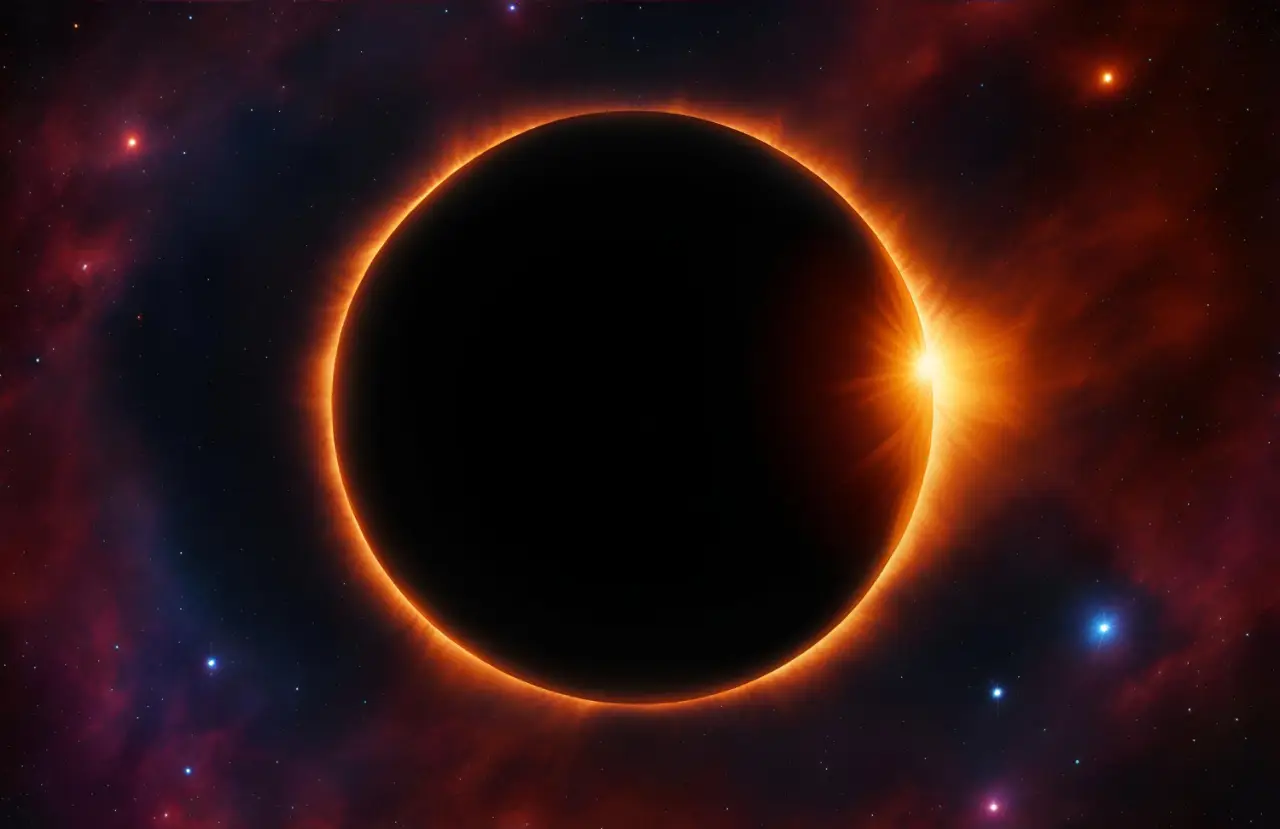
Spain is preparing to host its first total solar eclipse visible from the mainland in 114 years, with the phenomenon set to take place on August 12, 2026.
The event is expected to attract astronomers, scientists and a growing wave of astro-tourists, as the moon fully obscures the sun across a wide swath of northern Spain, from Galicia to the Balearic Islands.
The last total eclipse visible from the Iberian Peninsula occurred in 1912, making the 2026 event a rare opportunity for residents and visitors alike. The Spanish government has established an Interministerial Commission to coordinate logistics, security and scientific outreach, as destinations prepare for a surge in international and domestic travellers seeking front-row views of the celestial spectacle.
Where to watch Spain’s rare total eclipse
On August 12, the shadow of the moon will sweep across northern Spain in the early evening, creating a narrow corridor of totality where the sun disappears completely for up to one minute. Cities expected to experience the longest viewing times include A Coruña, León, Bilbao, Zaragoza, Valencia and Palma de Mallorca, making both coastal and inland destinations accessible for eclipse chasers.

Astrophysicists identify the province of Teruel in Aragón as one of the most favourable locations for viewing, thanks to its higher altitude, clear skies and unobstructed horizons. Smaller cities such as Oviedo, Palencia and Soria will also witness totality, although the eclipse will last closer to 40 seconds in those areas.
Experts advise travellers to consider elevation and west-facing viewpoints, as the eclipse occurs close to sunset. National Geographic Spain notes that those hoping to watch the full sequence should seek high points with open visibility to the western horizon, particularly in mountainous or rural regions where light pollution and visual obstructions are minimal.
The evening offers a second incentive for stargazers. The total eclipse coincides with the Perseids meteor shower, and the moon will not interfere with visibility, creating conditions for a rare double sky event. For visitors planning overnight stays in dark-sky areas, the combination of a total eclipse followed by meteor activity adds to the appeal of extended travel in Spain’s quieter interior regions.
Travellers can use planning tools developed by the National Geographic Information Centre and the National Geographic Institute (IGN), which provide start and end times for different locations, weather forecasts supplied by Spain’s national weather agency Aemet, and animated maps showing how the eclipse shadow will move across the country. The platforms also include guidance on safe viewing to prevent eye damage.
Interest in the eclipse reflects a wider shift in travel behaviour. Astro-tourism, which combines astronomy with destination travel, continues to grow as travellers seek meaningful, once-in-a-lifetime experiences rather than traditional sightseeing alone. Spain’s geographic diversity, infrastructure and year-round connectivity position it as a natural hub for this emerging niche.
“It’s a unique opportunity, a cosmic gift to be able to see this wonder of nature,” said Stelyanos Pyrzas, Astrophysicist at the Centre for Physics of the Cosmos Studies of Aragón. “We won’t have another chance like it in our lifetime.”
Three eclipses in three years reshape Spain’s stargazing appeal
While the 2026 eclipse commands immediate attention, it marks only the first of three major eclipse events visible from Spain within a short period. Another total eclipse will take place on August 2, 2027, followed by an annular eclipse on January 26, 2028, when the moon passes in front of the sun without fully covering it, creating the so-called “ring of fire.”
The 2027 eclipse will be best observed from southern Spain, particularly the Strait of Gibraltar and Andalusian cities such as Cádiz and Málaga. These locations are expected to attract coastal travellers and cruise passengers, expanding the geographic spread of eclipse tourism beyond the north.
Tourism authorities see the sequence of events as an opportunity to promote multi-year travel planning and regional dispersal, encouraging visitors to explore lesser-known provinces alongside established destinations. The Spanish Tourism website has published detailed lists of towns where the eclipses will be visible, helping travellers design itineraries around precise viewing corridors.
Beyond spectacle, the eclipses create momentum for scientific outreach and education. Public viewing events, guided observation sessions and community activities are expected to accompany the main viewing days, bringing astronomy closer to local communities and visitors.
For travellers, the appeal lies not only in witnessing a rare astronomical event but in pairing it with Spain’s cultural depth, gastronomy and varied landscapes — from Atlantic coastlines and medieval cities to mountain plateaus and Mediterranean islands. As demand builds toward 2026, accommodation in prime viewing zones is likely to fill early, particularly in smaller towns with limited capacity.
Whether visitors travel specifically for the eclipse or incorporate it into a broader itinerary, the coming years position Spain as one of Europe’s most compelling destinations for night-sky tourism. With careful planning, clear skies and safe viewing practices, travellers may find themselves part of a historic moment that will not return for generations.