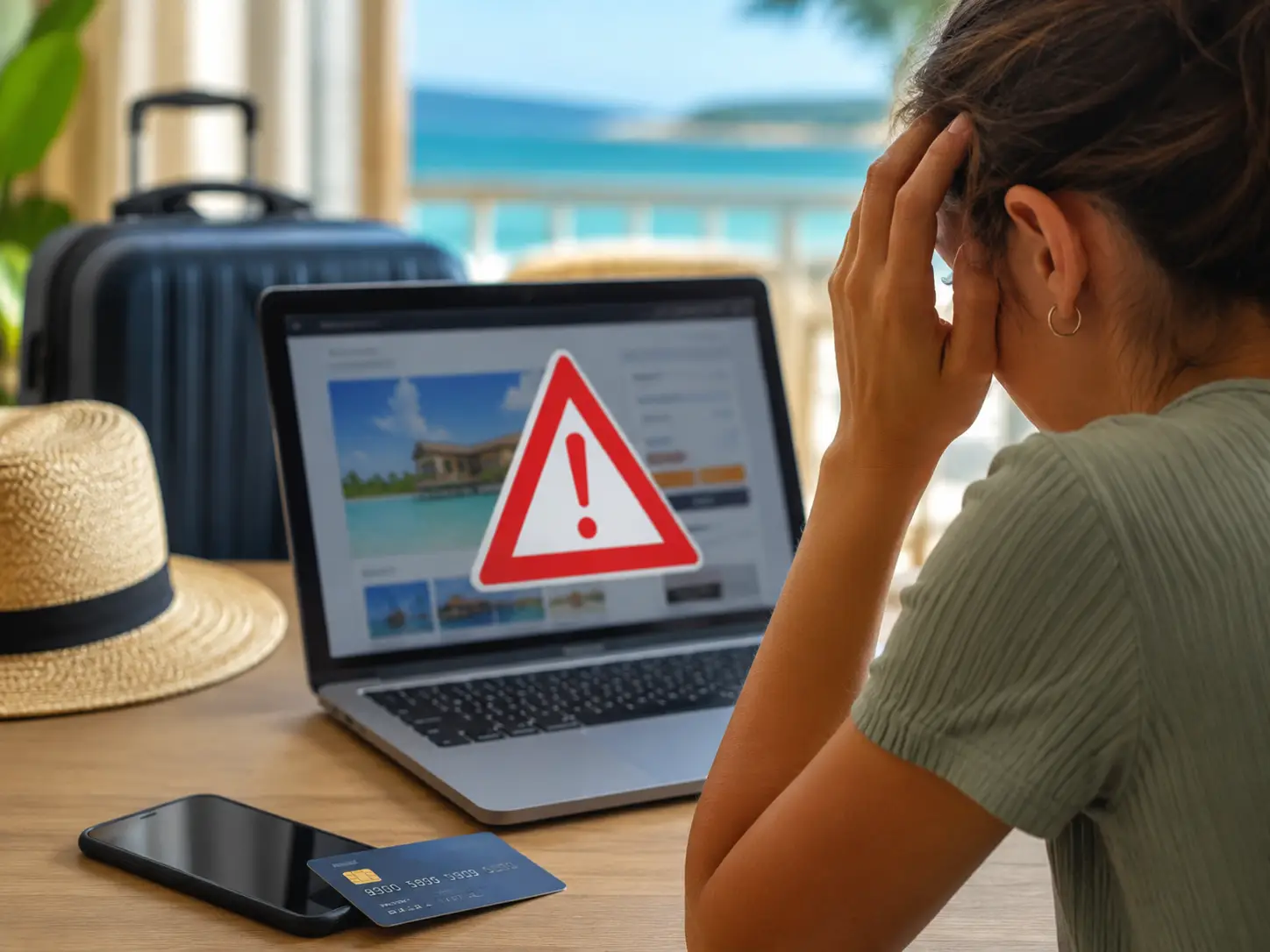
Holiday booking scams are rising sharply as summer travel demand increases, with fraudsters using social media ads, fake websites and copied hotel pages to trap travellers. The schemes often lure people with prices far below market rate and pressure them to act fast with lines such as “only two rooms left” and “special offer today”.
After payment is made, victims either discover that no reservation was ever created or find that no such property exists at the address when they arrive. The scams are increasingly linked to algorithm-driven advertising, which pushes more travel ads to people who have searched for holidays online.
Association of Turkish Travel Agencies, or TÜRSAB, said much of the fraud is happening on Instagram, where fake accounts often share WhatsApp numbers to continue the contact. Firuz Bağlıkaya, the group’s president, warned travellers to book only through TÜRSAB member agencies and to check website addresses carefully before paying.
Bağlıkaya said many fraudsters avoid landline numbers, prefer WhatsApp for calls and messages, and ask for payment into personal bank accounts rather than agency accounts. He said this was a key warning sign, especially when the offer looks unusually cheap.
He added that consumers should pay close attention to the name in the website’s address bar, because scammers often copy the look of genuine travel brands to build trust. Professional design, high-quality photos and discounted prices can make a fake page appear legitimate, even when the booking channel is not secure.
The warning comes as online holiday planning becomes more common and social media platforms intensify their advertising systems. Fraudsters are taking advantage of that traffic by placing low-cost ads that reach large audiences and direct users to counterfeit booking pages.
Scammers then use urgency to push people into making quick decisions. TÜRSAB said these tactics are designed to bypass caution and make travellers transfer money before checking whether the company is real.
The organisation said safe bookings should be made through established travel agencies with proper corporate bank details. It also urged travellers to verify the seller’s identity, avoid transfers to private IBAN accounts and be sceptical of unusually low prices.
Holiday scams have become a growing problem across the online travel market, with fake reservations and fraudulent websites creating losses for consumers and damaging trust in digital bookings. The latest cases show how quickly a simple holiday search can turn into a scam, especially when algorithms begin serving repeated travel ads to the same user.
For travellers, the advice is simple, check the agency, inspect the website, verify the phone number and do not rush into payment because an offer looks limited or time-sensitive. In many cases, the difference between a safe trip and a costly fraud comes down to a few seconds spent checking the details.