Syria’s Ministry of Tourism has signed a memorandum of understanding with three Saudi technology companies to develop an integrated digital tourism ecosystem aimed at modernising tourism services, improving the visitor experience and strengthening the country’s competitiveness in regional and international travel markets.
The agreement, signed with Tamkeen, Cipher and Hawaz, forms part of Syria’s long-term digital transformation strategy. It includes the development of a unified tourism services platform, a national tourism portal, enhanced cybersecurity, stronger data governance and advanced analytics to support tourism planning.
The memorandum represents a significant milestone in the Ministry’s plans to move beyond administrative modernisation and create a fully integrated digital operating model for the tourism sector. Officials said the initiative is designed to improve service delivery, strengthen institutional performance and help position Syria as a more competitive tourism destination.
Under the agreement, the partners will build a unified digital platform covering tourism services and bookings while creating a national digital tourism portal offering information on destinations, attractions and events across the country. The project also includes developing data collection systems and analytical tools to support evidence-based policymaking and long-term tourism development.
Cybersecurity and digital governance form central parts of the initiative. The agreement calls for stronger cybersecurity capabilities and robust governance frameworks to protect digital infrastructure while ensuring trusted data management across tourism services.
H.E. Mazen Al-Salhani, Minister of Tourism, said: “Digital transformation is not simply a technology project—it is a strategic pillar of rebuilding a more competitive, resilient and future-ready tourism sector. Our ambition is not merely to keep pace with digital transformation, but to lead it across the tourism industry by building an integrated digital ecosystem powered by trusted data, robust governance and resilient cybersecurity.”
He added: “We want the Ministry of Tourism to serve as a benchmark for digital government in the tourism sector and to become the reference point for the wider tourism ecosystem.”
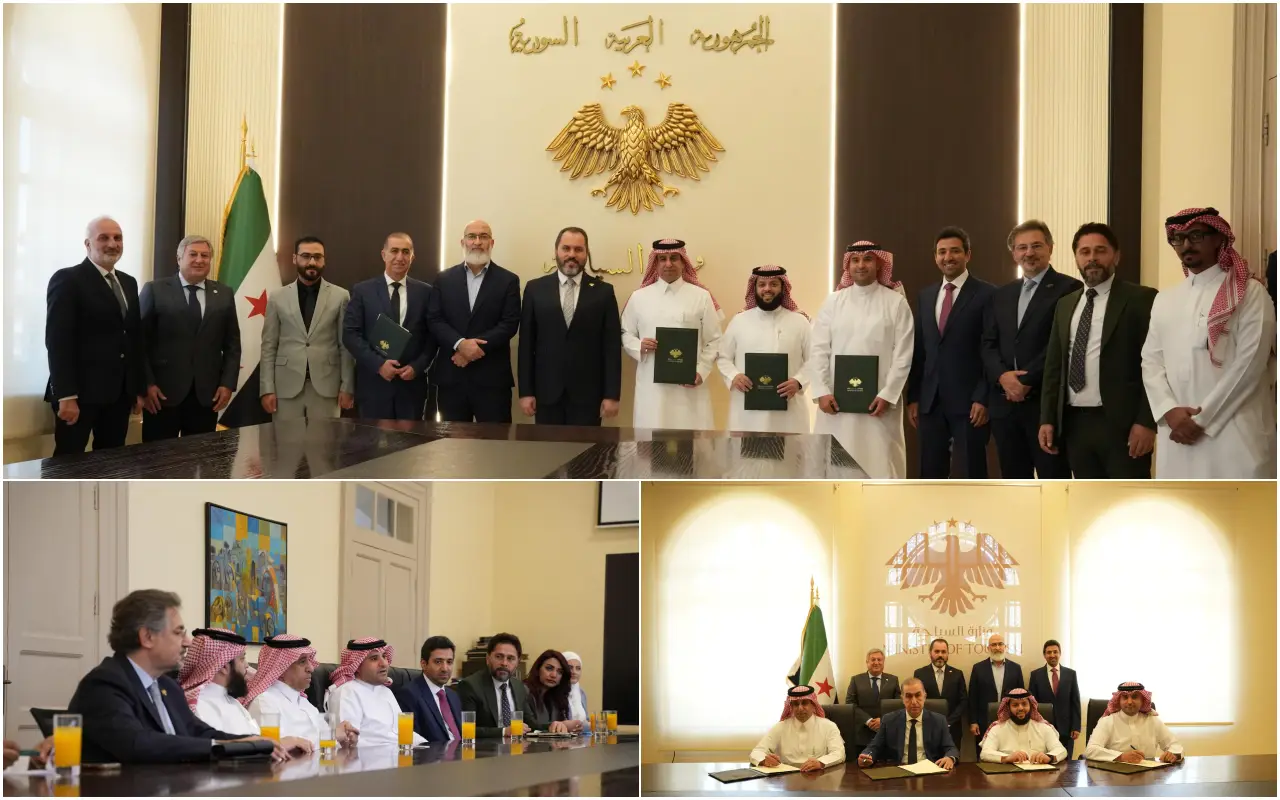
The memorandum was signed in Damascus in the presence of the Minister of Tourism, representatives from the three Saudi companies, members of the Syrian-Saudi Business Council and senior ministry officials. The agreement highlights the growing role of public-private partnerships in supporting digital transformation projects across Syria’s tourism sector.
The Saudi companies bring expertise in digital transformation, government technology, institutional modernisation and cybersecurity. Their experience includes supporting projects aligned with Saudi Vision 2030, with the partnership expected to introduce international best practices in digital governance, service design and operational management.
Alongside digital infrastructure, the programme includes destination marketing initiatives targeting regional and international audiences. It also provides specialised training programmes to equip tourism professionals with the digital skills needed to operate in an increasingly technology-driven travel industry.
The project builds on earlier work by the Ministry focused on institutional governance, administrative reform and information management. The new agreement expands those efforts into visitor-facing digital services, using data and emerging technologies to improve tourism services, attract investment and strengthen destination competitiveness.
The initiative also supports Syria’s wider national digital transformation agenda, which aims to modernise government services, improve digital infrastructure and expand e-government capabilities across multiple sectors. Within tourism, the Ministry expects the integrated digital ecosystem to connect government services, destination management, visitor engagement, investment facilitation and policy development through a unified digital framework.
If implemented as planned, the programme is expected to provide travellers with easier access to tourism information and booking services while giving policymakers and tourism authorities stronger data and digital tools to support future growth. The initiative reflects a broader regional trend of governments investing in digital platforms to improve visitor experiences and build more resilient tourism economies.