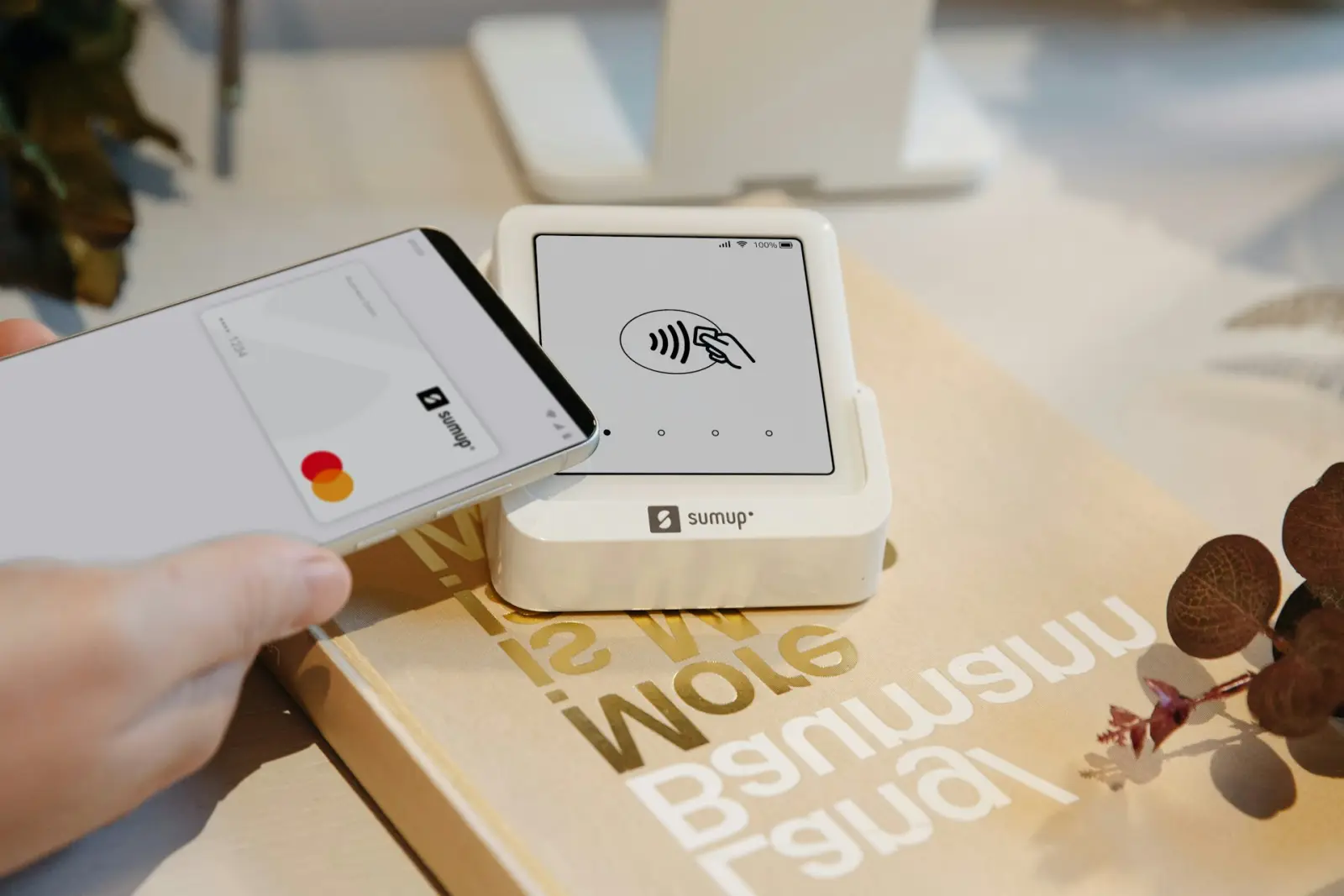
Not so long ago, a bank-card tap at a transport gate felt like a useful little travel trick, right? Today, the tap itself barely registers. What stands out is the moment that familiar rhythm suddenly breaks.
The impatience doesn’t stay at the payment screen. It returns when a booking site forgets the room just selected, or when an airport app buries the boarding pass at precisely the wrong moment. Hotel check-in can revive it by requesting details already supplied, but contactless travel now implies a little continuity.
Fortunately, airports and hotels are beginning to respond, often borrowing the speed people already expect from entertainment and payment apps. They know a faster tap helps, but the rest of the journey still has to keep up… Let’s take a closer look at how contactless habits alter the modern travel experience.
The Tap-to-Pay Habit Travellers Now Take Everywhere
When contactless payment works, most people barely notice it. The confirmation tone sounds, and they are already moving.
That learned rhythm travels with them. In an unfamiliar city, a familiar tap feels like one less thing to decode. A metro gate that accepts the same phone used at home feels legible even when its signs are unfamiliar. By contrast, a kiosk demanding cash or an unfamiliar stored-value card creates work before the journey has properly begun. Contactless payments have become part of how visitors judge whether a destination is easy to navigate.
Why Booking Friction Feels More Noticeable Than Ever
Travel booking still exposes seams that retail apps have largely hidden. A customer selects a room, enters the necessary details, reaches the payment screen, then learns that the advertised option depends on creating an account. None of those steps is catastrophic, but together they interrupt the sense of progress.
Price still makes the decision, of course. Even so, a slow or uncertain checkout can make the whole booking feel suspect. Vague confirmation leaves travellers wondering whether the reservation exists at all, while a good booking design answers the anxious question quickly: has the trip actually been secured? Such clarity matters more than a decorative animation or another upsell!
How Airports and Hotels Are Adapting
Airports have spent years moving documents onto screens. The digital boarding pass removed one paper handoff; biometric trials and digital identity systems are now trying to reduce repeated checks. Hotels are following with Mobile check-in and a digital hotel key, particularly for routine arrivals.
- At the airport: Digital credentials can reduce repeated document checks and keep boarding information close at hand.
- At the hotel: Mobile arrival tools allow routine check-ins to happen without a reception queue.
- When something goes wrong: Staff remain essential for changed bookings, flat batteries and room problems.
Progress remains uneven where airlines, border agencies and hotel systems must exchange data. Human help is still important, but fewer guests need to queue for it.
How Entertainment Platforms Raised Expectations
Travel businesses are not setting the pace alone. People have learned from streaming and ticketing that a saved payment method should work without a fresh tutorial.
The same habits extend beyond transport and accommodation. Streaming services, ticketing platforms and Apple pay casinos have all helped normalise quick mobile payments confirmed through a familiar device.
That expectation follows travellers into the hotel app. Entertainment opens in seconds, then check-in asks for the same details entered at booking. Few people separate those sectors in their minds. They simply remember which screen made them stop.
One Phone, Multiple Parts of the Journey
Payment is only one job now assigned to the phone. The best part begins when its functions respond to one another:
- Before departure: Reservations and payment confirmations can be stored in one familiar place.
- While travelling: Delays and gate changes can update the journey as they happen.
- After arrival: Transfer information or hotel access can respond to the traveller’s actual arrival time.
Making those handoffs work isn’t always simple, though. Most travel systems were built separately, and few travellers would welcome one company following them across an entire trip. Any connection between services needs clear consent and firm limits because convenience should never become invisible tracking.
What the Next Contactless Trip Could Look Like
The next version of the journey may look surprisingly quiet compared to what one would expect. Booking’s placed in a wallet could update itself when a gate changes, then provide the credential needed at boarding without a second search, for example. Staff wouldn’t just spend less time copying information, but also more time resolving exceptions, which is where human judgement earns its keep.
It should be stressed, however, that contactless cannot become phone-only. Batteries fail, and some travellers cannot or do not want to use a digital wallet. The last thing we need is a flat battery turning convenience into exclusion.
We know that better technology will not stop a storm delaying a flight. It can avoid becoming another disruption. If the booking, payment and identity checks are already recognised, the traveller can finally put the phone away… That is probably the point!