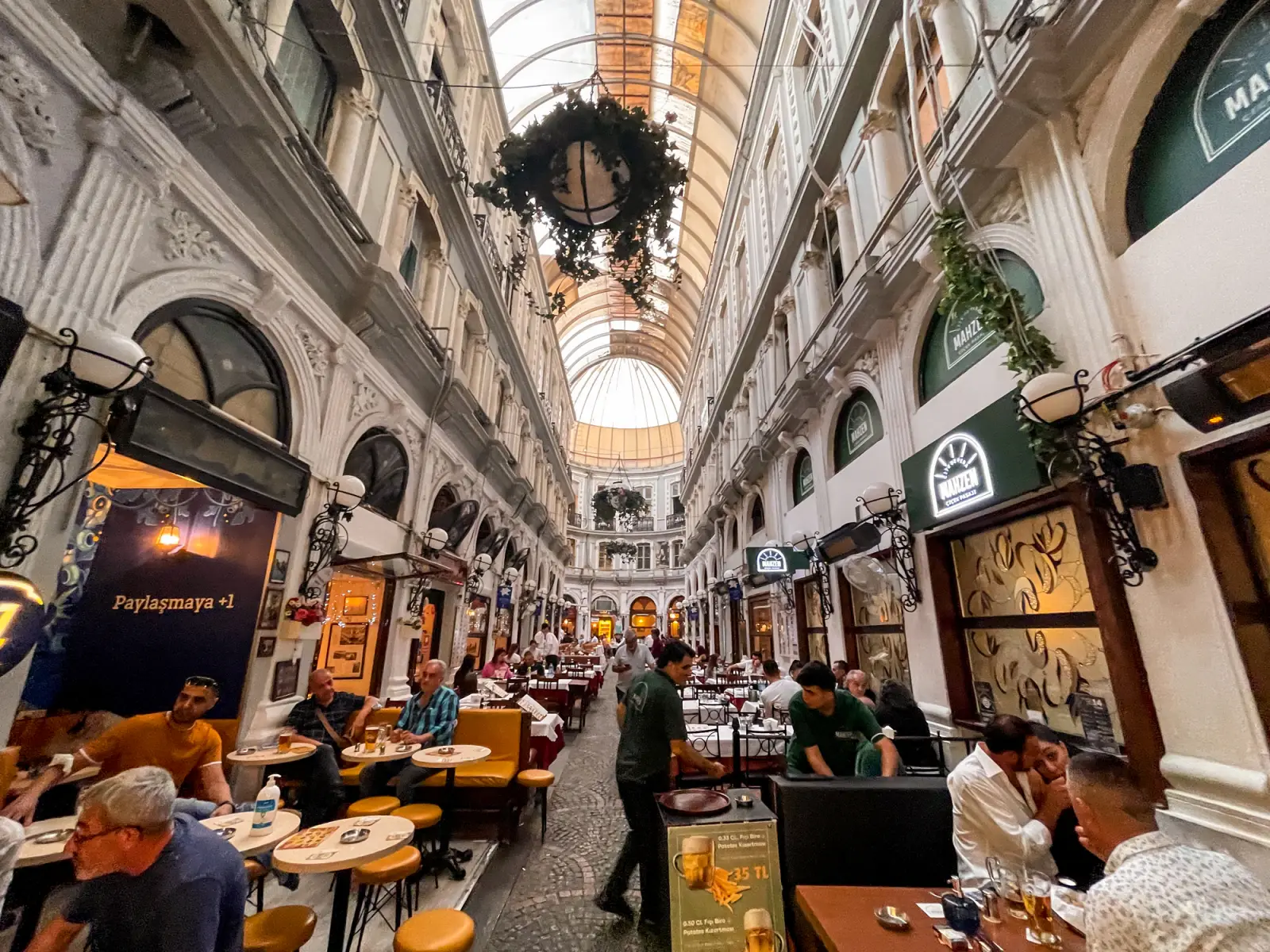
For millions of holidaymakers, a cigarette on the beach, a smoke on a café terrace, or a post-dinner cigarette at a restaurant table is part of the holiday ritual. But that habit is about to face its biggest challenge yet in one of the world’s most visited destinations.
Turkey, a top holiday choice for travellers from Germany, the United Kingdom, Russia, the Netherlands, and across the Arab world, is preparing some of the most sweeping anti-smoking legislation ever proposed by a major tourism nation. If passed, the draft law would ban smoking in outdoor dining areas, on beaches, and across a wide range of public spaces, with a full ban on tobacco sales set for 1 January 2040.
What the draft law proposes
The 41-article legislative draft, prepared in coordination with the Turkish Health Ministry and expected to be submitted to parliament by the ruling party, targets both immediate restrictions and a long-term phase-out of all tobacco products. Smoking would be prohibited at the outdoor areas of restaurants and cafés, a significant departure from current practice where terrace smoking is widely tolerated.
The ban would also extend to beaches, sports areas, children’s parks, places of worship, and all educational and healthcare facilities. Designated smoking sections at hospitality venues would be permitted under strict conditions, but would be barred from serving food or drinks.
All tobacco purchases would move to electronic payment, with transactions recorded as part of a national monitoring system. Retailers would be required to store tobacco products in closed cabinets, out of sight of customers, with mandatory age verification at point of sale.
A total ban by 2040
At the centre of the legislation is a hard deadline: from 1 January 2040, the production, sale, import, and distribution of all tobacco products in Turkey would be prohibited. The definition of tobacco products in the draft is broad, covering not only traditional cigarettes but also electronic cigarettes, heated tobacco devices, hookahs, and any product containing synthetic or organic nicotine.
Penalties for violations after 2040 are set at a significant level. Individuals or businesses involved in importing, producing, transporting, or selling tobacco products would face judicial fines ranging from 1 million to 5 million Turkish liras, equivalent to approximately $22,000 to $112,000. Individuals found purchasing or possessing tobacco products could face administrative fines between 50,000 and 250,000 liras. Sales to minors would carry prison sentences of six months to one year.

Context: a country with deep smoking roots
The proposed legislation represents a sharp escalation in Turkey’s decades-long effort to reduce tobacco use. More than a quarter of Turkish adults currently smoke, a rate higher than most EU member states. Turkey has historically been one of the world’s major tobacco-growing nations, with the crop deeply embedded in its agricultural and cultural identity.
The country launched its Smoke-Free Airspace initiative in 2009, introducing comprehensive indoor smoking bans and strict advertising restrictions that drew international recognition. The WHO cited Turkey as the first country to achieve a high level of success across all six of its MPOWER tobacco control strategies.
The new draft builds on that foundation but goes far further, bringing Turkish policy into alignment with EU public health targets at a time when Ankara is seeking closer ties with Brussels.
What it means for tourists
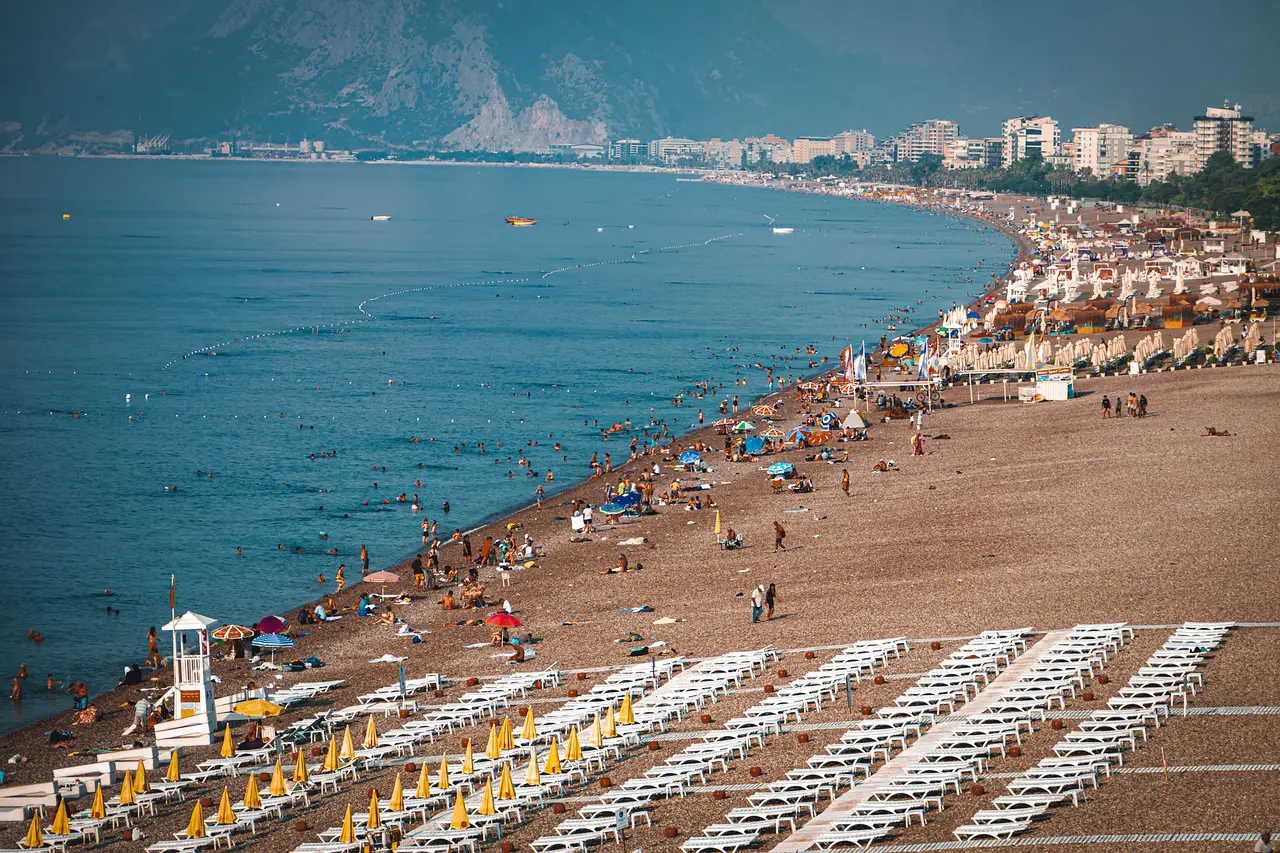
Turkey receives tens of millions of international visitors each year, with Germany, the United Kingdom, Russia, and the Netherlands among its largest source markets. Beach resorts along the Aegean and Mediterranean coasts, including destinations such as Antalya, Bodrum, and Marmaris, draw heavily from these markets and have long been known for a relaxed attitude toward outdoor smoking.
If the law passes in its current form, visitors who smoke can expect a markedly different experience at Turkish hospitality venues. Outdoor terraces, beach bars, and poolside areas at hotels and restaurants would all fall within the scope of the restrictions, bringing Turkey in line with the direction of travel across much of northern and western Europe.
The draft has not yet been put to a parliamentary vote, and its final form may change during the legislative process. However, the direction is clear: Turkey is moving decisively toward becoming a smoke-free destination, with consequences that will be felt by millions of tourists long before the 2040 deadline arrives.