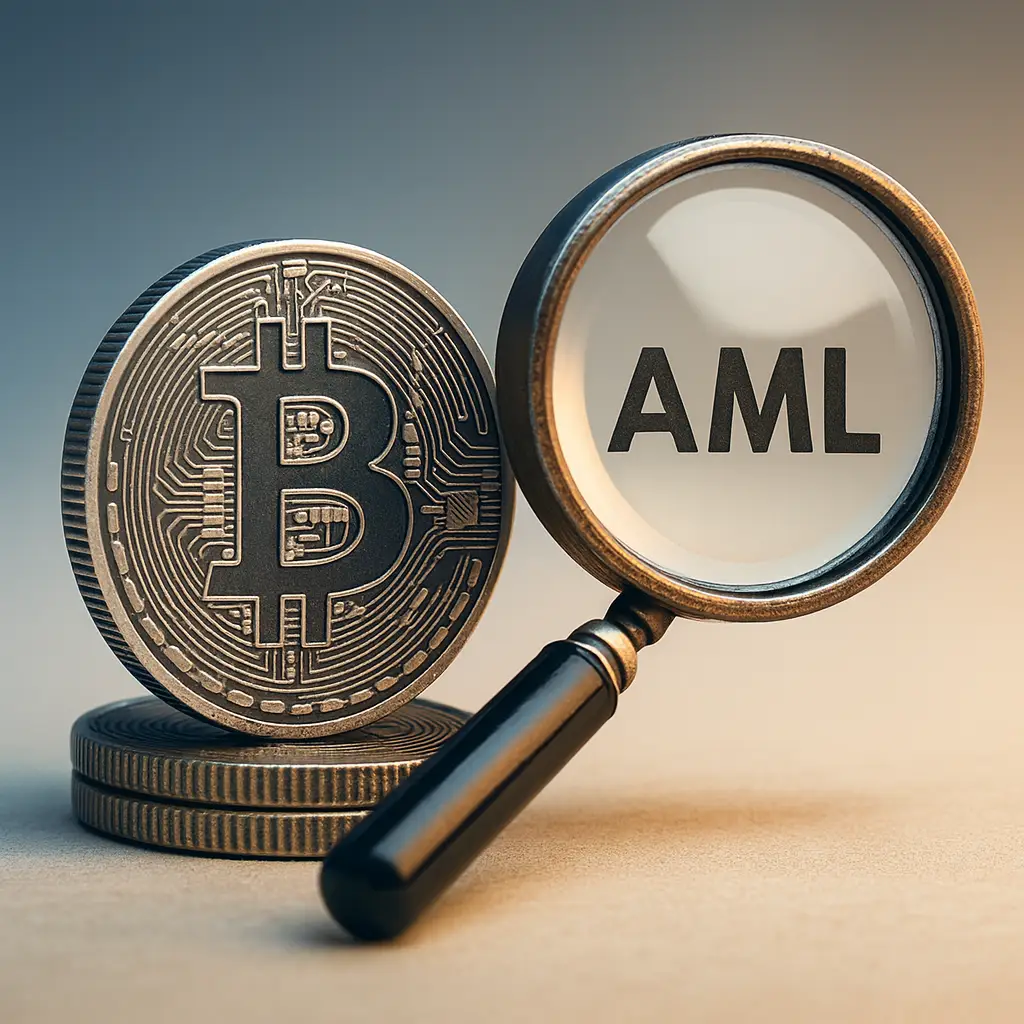
In today’s crypto market, the rules of the game are changing faster than a Bitcoin chart on FOMC day. Traders, exchanges, and wallet providers are all under growing pressure to keep up with evolving crypto regulations. One key pillar of these rules is AML (Anti-Money Laundering) — a set of measures aimed at stopping criminals from turning dirty money into clean profits.
Whether you’re running a cryptocurrency exchange or managing a cryptocurrency wallet, understanding AML isn’t optional — it’s a necessity for survival in the modern crypto economy.
What Is AML Compliance and What Does the Process Take?
AML compliance in the digital asset world means putting systems in place to detect, prevent, and report illicit activity. While these measures originally applied to banks and traditional finance, the rise of blockchain technology brought both new opportunities and new risks. A solid AML check BTC online usually includes:
- KYC (know your customer). Verifying a customer’s identity — name, date of birth, address, and ID — before granting access to services.
- Customer due diligence. Assessing the risk level of each client and monitoring activity over time.
- Transaction monitoring. Flagging unusual or suspicious movements, especially involving high-risk jurisdictions.
- Ongoing reporting. Filing alerts to regulators to maintain regulatory compliance in crypto.
For traders, this may feel like extra red tape, but for platforms, it’s a shield against fines, bans, and reputational damage.
FATF Travel Rule Explained, And Who Must Follow It
The FATF Travel Rule is a global standard set by the Financial Action Task Force to combat money laundering and terrorism financing. It requires Virtual Asset Service Providers (VASPs), such as cryptocurrency exchanges, custodial wallets, and even OTC desks, to collect and share specific information about the sender and receiver of crypto transactions. Key points include:
- For transfers above $1,000 USD/EUR, extra data like wallet addresses and physical addresses must be collected.
- Data sharing. This information must be securely passed between VASPs involved in the transaction.
- Applies not just to exchanges but also to payment processors and custodial wallet providers.
For businesses, the challenge is integrating these requirements without slowing down crypto compliance operations. Many now rely on regtech solutions — AI-driven systems that automate monitoring and reporting. For traders, it means more transparency when moving funds between platforms, but also greater security from bad actors.
Why Crypto Compliance Matters for the Crypto Ecosystem
AML isn’t just about ticking regulatory boxes. In practice, it protects market integrity, builds trust with institutional partners, and keeps the industry from being a playground for fraudsters. Without it, crypto could easily become a hotbed for illicit finance, driving away legitimate investors and stalling adoption.
Moreover, with regulators around the globe tightening oversight, failure to comply can be costly. Fines in the hundreds of millions aren’t unheard of, and non-compliant companies risk being cut off from banking partners or even shut down entirely.
In the long run, robust AML compliance benefits everyone — from small traders to global exchanges. It keeps the market cleaner, safer, and more appealing to serious capital. As the FATF Travel Rule and other crypto regulations evolve, the message is clear: proactive compliance isn’t a burden, it’s a competitive edge. For anyone dealing in digital assets, understanding and embracing these measures is just as important as reading the charts.