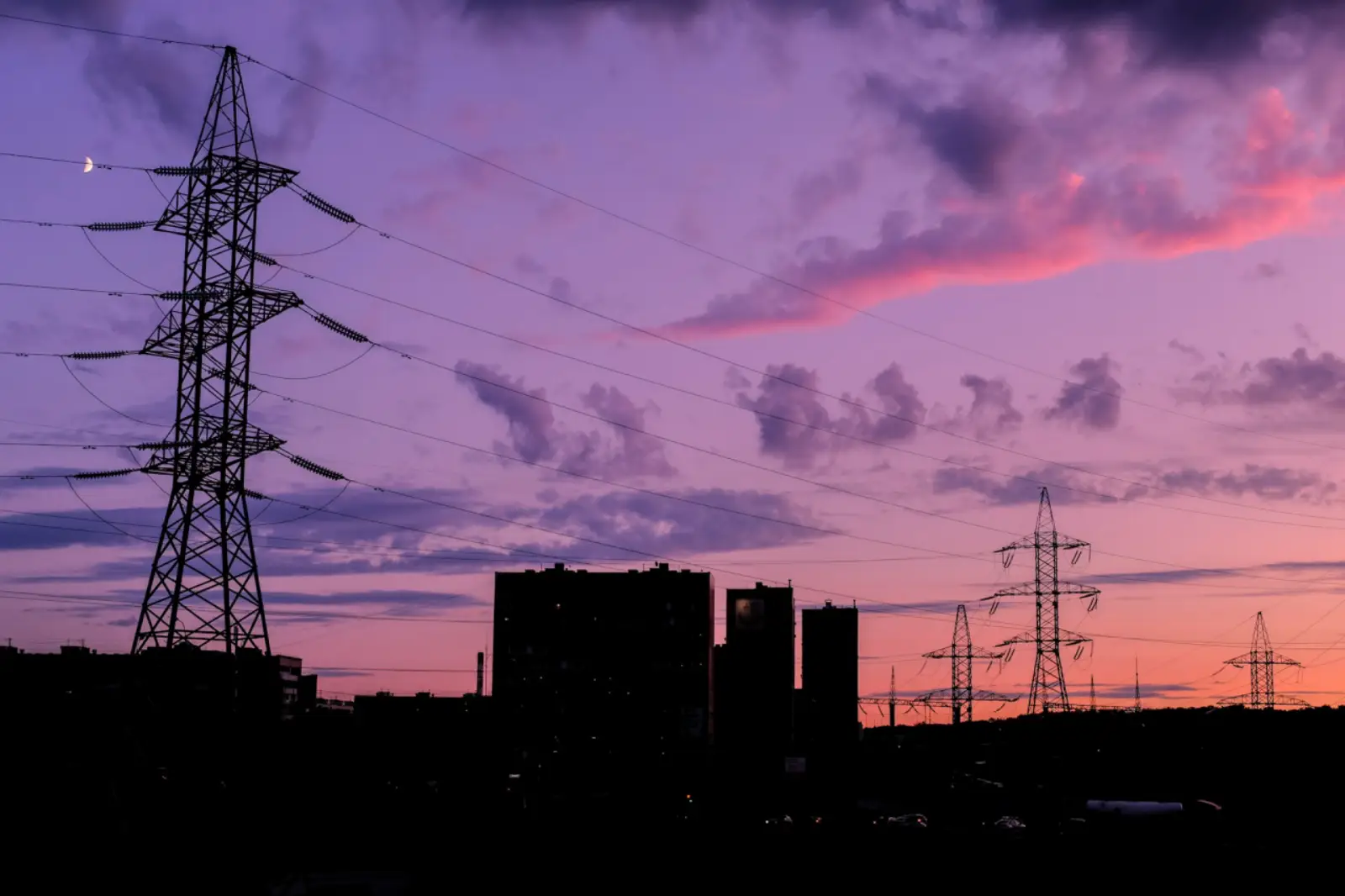
Is Austria the only country truly ready for a blackout? As Europe reels from its largest-ever power outage—affecting over 60 million people across Spain, Portugal, Andorra, parts of France, and even Greenland—the Alpine nation is emerging as a quiet model of resilience. While other European countries scramble to assess their vulnerabilities, Austria’s military and civil infrastructure are already operating under worst-case planning scenarios.
A Wake-Up Call From Iberia to the Arctic
Monday’s unprecedented blackout began in Spain and rapidly cascaded through the Iberian Peninsula. It didn’t stop there. A submarine cable connecting Gran Canaria to Denmark disrupted telecommunications in parts of Greenland, an Arctic territory under Danish control, knocking out phone, messaging, and internet services. Though the exact cause remains under investigation, Spain’s electricity operator Red Eléctrica has ruled out cyberattack.
The impact was widespread but uneven. In France, Industry Minister Marc Ferracci emphasized that the country’s nuclear-heavy energy mix, which accounts for around 70% of power generation, helps provide the “maneuverability” needed to buffer such shocks. He pointed to a 2006 blackout that affected 15 million people—still massive, but far from continental collapse. Ferracci assured citizens that today’s systems have built-in mechanisms to prevent a repeat on that scale.
Germany, the UK, and the Myth of Redundancy
In Germany, Klaus Müller, head of the Federal Network Agency, called a similar blackout “highly unlikely,” citing the country’s redundant grid structure. “When a connection fails, there’s always a replacement,” he told ARD. The German grid’s ability to reboot independently of external sources is a key feature of its energy design.
Meanwhile, the UK government expressed solidarity with Spain and Portugal, confirming that there were no domestic impacts but stressing the need to “learn” from the Iberian outage. British Secretary of State for Energy Kerry McCarthy referenced recent troubles at home, including a fire-induced power failure at Heathrow Airport that grounded flights for hours. For a nation heavily reliant on air travel and digital infrastructure, the event underscored just how vulnerable even “stable” systems can be.
Austrian Preparedness: The Gold Standard?
Austria, by contrast, has taken a notably different approach. Long before the Iberian incident, Austrian authorities had been preparing for a total grid failure that could last days. This isn’t just theoretical. The Austrian Army has developed protocols to ensure that military facilities can operate off-grid, maintain clean water systems, run autonomous medical centers, and store food supplies for at least two weeks.
Michael Bauer, a spokesman for the Austrian Army, explained that their approach includes energy self-sufficiency at military installations, including fuel reserves and on-site power generators. “We’ve been preparing for the worst-case scenario for years,” he noted. While experts say such a blackout remains unlikely, the investment in readiness stands out starkly against the reactionary tone across much of Europe.
What This Means for Travelers
For international travelers, these disparities in infrastructure planning matter more than ever. In an era when digital dependence, climate pressures, and aging power grids intersect, the risk of systemic failures is no longer theoretical. Whether you’re working remotely, navigating public transport, or relying on airport operations, understanding how a country handles power emergencies could shape your travel choices.
Austria’s readiness adds a new layer to its tourist appeal. Known for its mountain landscapes, classical music, and cultural heritage, the country now also offers something less visible but increasingly valuable: stability. It’s not just a destination for alpine hikes and operas—it’s a place where contingency plans are more than just paperwork.
As the European Commission launches an independent review of the blackout and its cross-border ripple effects, travelers would do well to consider more than just weather and wifi when planning their next trip. When the lights go out, Austria might be one of the few places still shining.