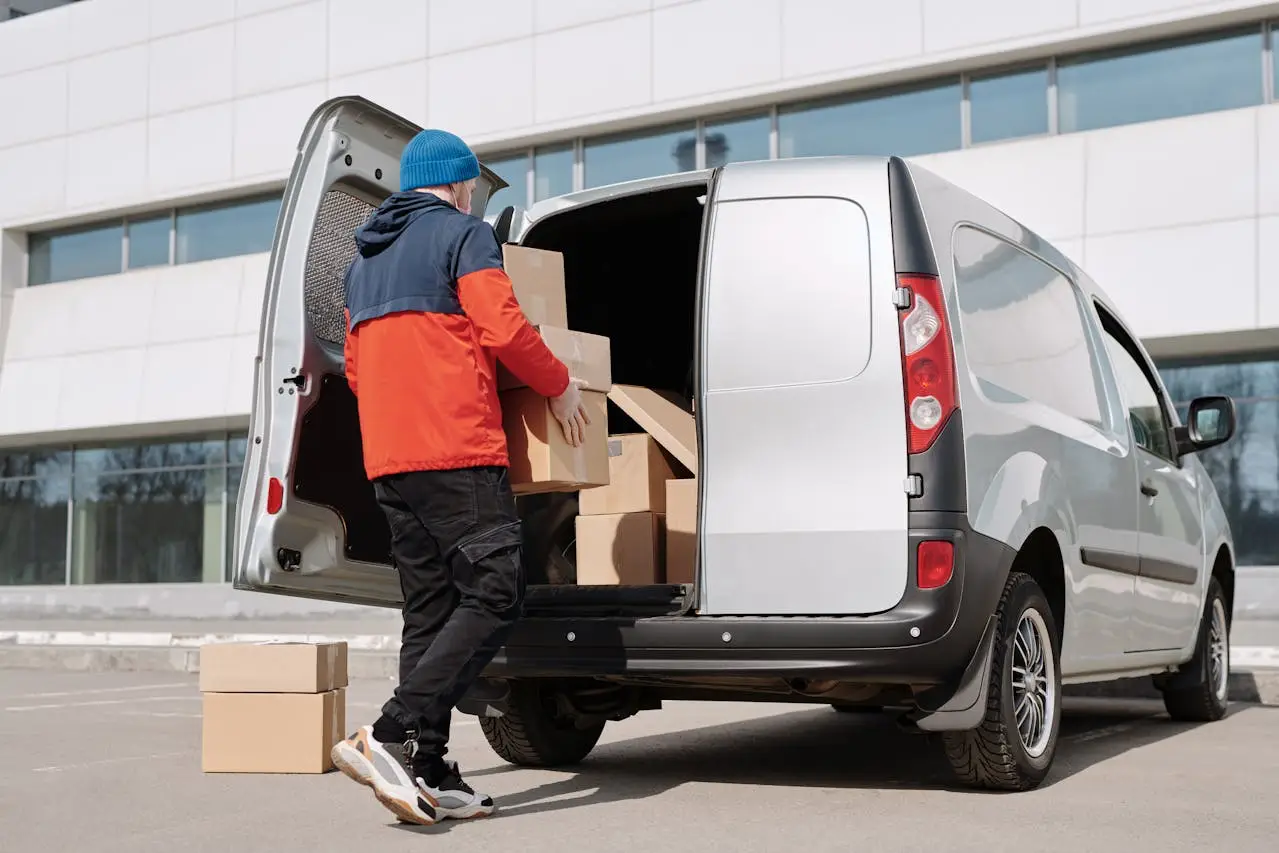
Moving abroad used to be a big deal. You sold the house, packed everything, said goodbye, and maybe visited home once every couple of years. A one-way decision.
But things don’t look like that anymore. Work isn’t tied to one office. Business doesn’t need one city. Life, for a lot of people, is becoming portable.
Now you see people treating airports like bus stops. Some fly with just a laptop bag. Some set up temporary homes where Wi-Fi is strong and the coffee tastes decent. And it’s not about travel in the old sense. It’s not about ticking countries off a list. It’s about building a lifestyle that mixes relocation with work. A way of living that’s less fixed, more open.
Why People Think About Relocating
There’s always a mix of reasons. Sometimes it’s money: lower taxes, fewer overhead costs. Sometimes it’s lifestyle: warmer weather, a safer city, a slower pace. Sometimes it’s just curiosity: what would it feel like to actually live here, not just pass through as a tourist?
Lisbon, Dubai, Malta, Tallinn. These names come up again and again. They’re not just travel spots anymore. They’ve become work hubs. Communities form around them. People register companies, build networks, create daily routines in places that used to be temporary.
And the interesting part? Offshore relocation isn’t only for big corporations. Small business owners, freelancers, consultants—many are looking at it as a way to run their lives with more flexibility. Of course, the process can get messy. Banking rules, translations, paperwork that looks like a puzzle. That’s why so many turn to services that handle the technical side: offshore company formation. Without that help, freedom feels more like a headache.
Work and Travel Blending Into One
The way relocation ties into travel is subtle. It’s not about leaving everything behind for one country. It’s about moving in cycles. A few months in Asia, half a year in Europe, maybe winter in the Caribbean.
What makes it possible is technology. Online payment platforms, video calls, global clients. Work doesn’t stop when you board a plane. It just moves with you.
So you could be setting up your company in Malta for the tax setup, but your actual life is spread between Berlin’s creative scene and Bali’s calm beaches. And that’s what’s fascinating. Work is steady, but the backdrop keeps shifting.
What Drives the Choice
The reasons go deeper than “working on a beach.” That cliché doesn’t tell the whole story.
- Money structure: some countries make business ownership more affordable.
- Freedom: you’re not tied to one system or office.
- Curiosity: living abroad feels different from just visiting.
- Professional edge: certain offshore hubs make a business look stronger to clients.
So relocation becomes less of a random adventure, more of a practical move with side benefits.
Life in Motion
People who’ve done it say the rhythm changes. There’s still structure—emails, deadlines, meetings. But mornings might mean a swim instead of a subway ride. Lunch might be tapas instead of the same sandwich.
Work bags are lighter now. A laptop, maybe an extra screen. Chargers are more important than winter coats. Home fits in a couple of suitcases. And that mobility is the anchor. Funny how the thing that ties everything together is actually movement itself.
Of course, not every day feels like freedom. Sometimes bureaucracy hits hard. Sometimes loneliness sneaks in. A new city can be exciting at first, then feel empty once the novelty fades. But the option to move again, to reset somewhere else, keeps people in the game.
The Side That’s Less Glamorous
Relocation looks glossy on Instagram. In reality, there are stacks of documents, contracts, and unfamiliar rules. A missed deadline can cost money. Misreading a visa rule can cut a trip short.
This is where preparation saves the lifestyle. Some jump in and drown in paperwork. Others plan, get proper guidance, or lean on services that make the shift smoother. Communities help too. Forums, chats, coworking spaces. People swap visa hacks, tax tips, even furniture advice. They keep each other afloat.
Without that support, the “freedom life” can collapse fast. With it, the lifestyle feels sustainable.
Shifting Identity
Something changes once you’ve lived abroad for a while. You stop seeing yourself as only from one place. Identity spreads out. You belong to different circles—clients in one country, friends in another, maybe a local market where you know the shopkeeper.
You fly back home for visits but keep working with a team in another time zone. Your yoga teacher is online in New York. Your client is in Tokyo. Home becomes less about a fixed street and more about the connections that travel with you.
What’s Next for Relocation
It’s hard to ignore the direction things are heading. More countries are making visas for remote workers. Cities once dependent on tourism are shifting to welcome longer-term residents. Governments see the money flowing in and adjust their systems to attract people.
It’s no longer strange to hear questions like: “Where’s your company registered?” or “Which visa did you get?” over coffee. It’s becoming everyday talk among people who live this lifestyle.
The movement won’t stop. Not everyone will do it, of course. But the trend is solid: relocation is part of how people now build careers and lives.
Not About Escape
It’s easy to think people relocate to run away. In reality, a lot of them are running toward something. Toward control of their time. Toward freedom of choice. Toward building businesses that aren’t boxed in by one country’s rules.
For some, it lasts a year. For others, it becomes permanent. But the common thread is that home becomes portable. It’s no longer just a house or an apartment. It’s your setup, your habits, your people—things that move with you.
Closing Thoughts
Work and travel used to be two separate parts of life. Now they overlap. Relocation, especially offshore relocation, makes it possible to keep business steady while the background keeps changing.
The consultant in Bali, the designer in Lisbon, the startup founder in Dubai. They’re all living proof that work doesn’t need one fixed address.
And maybe that’s the bigger shift: life is no longer about where you are. It’s about how you decide to move through places. Offshore relocation simply gives the structure to make that choice real.