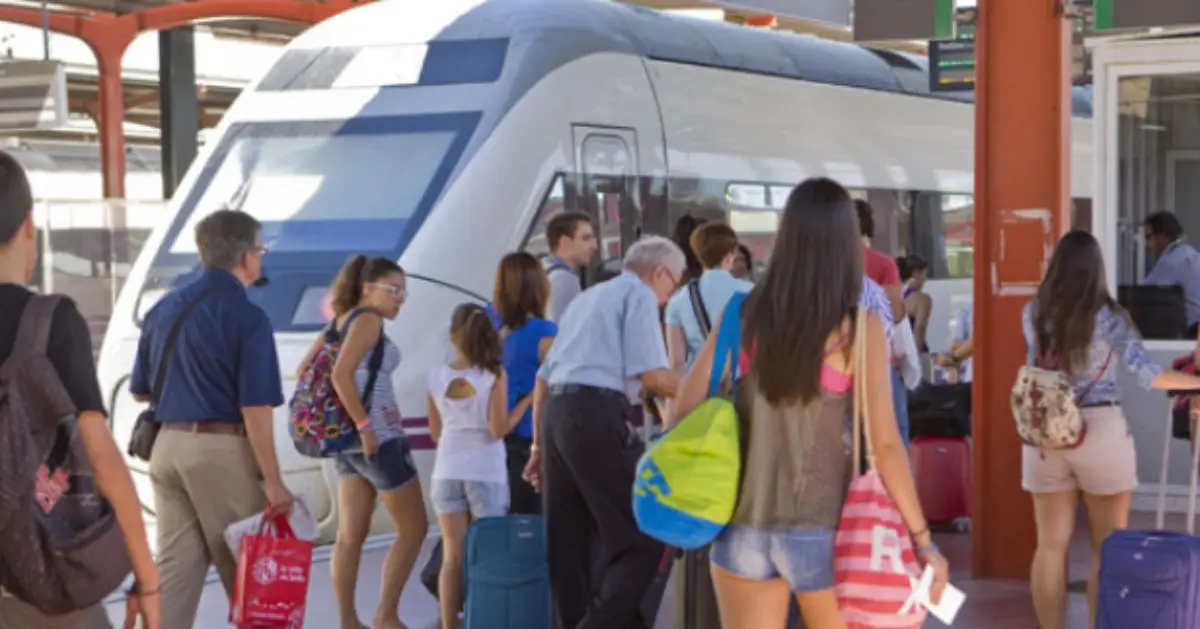
Spain’s high-speed rail system has achieved record-breaking success in 2024, with passenger numbers and market competition reaching historic levels. This surge follows a transformative period marked by the liberalization of the rail sector, which has attracted new operators and led to an unprecedented rise in both supply and demand.
According to the latest Annual Railway Sector Report from Spain’s National Commission on Markets and Competition (CNMC), ridership and service frequency are not only exceeding pre-pandemic levels but have also significantly outpaced 2023 figures. Spain is now one of Europe’s standout examples of how competitive rail markets can drive growth and innovation in public transport.
Passenger Numbers Soar Across Key Corridors
Madrid-Barcelona and Beyond: A Network at Full Speed
Spain’s most traveled high-speed corridor, Madrid-Barcelona, logged 14.6 million passengers in 2024, a 5.9% increase compared to the previous year. Although this corridor experienced a slight 2.2% reduction in seat availability, it continues to be the benchmark for demand-driven rail travel in the country.
Other major routes also posted remarkable year-over-year growth. The Madrid-Valencia line saw 5.6 million travelers, up 10.3%, while Madrid-Alicante rose sharply by 33.1% to 4 million. Southern connections, such as Madrid-Málaga/Granada and Madrid-Sevilla, each attracted around 5 million passengers, a 28% increase. Elsewhere, high-speed routes not previously under scrutiny doubled their combined ridership from 2.6 million to 5.3 million.
More Trains, More Seats—Except in One Case
Seat capacity expanded nearly everywhere in the network. The Madrid-Málaga/Granada route added 23.5% more seats, while Madrid-Sevilla increased by 18.9%, Madrid-Alicante by 15.1%, and Madrid-Valencia by 4.3%—though this last figure was influenced by adverse weather events such as DANA storms. Other routes saw seat capacity nearly double, reinforcing Spain’s commitment to rail as a cornerstone of national mobility.
Competition Reshapes Market Dynamics
Renfe Holds Strong But Feels the Pressure
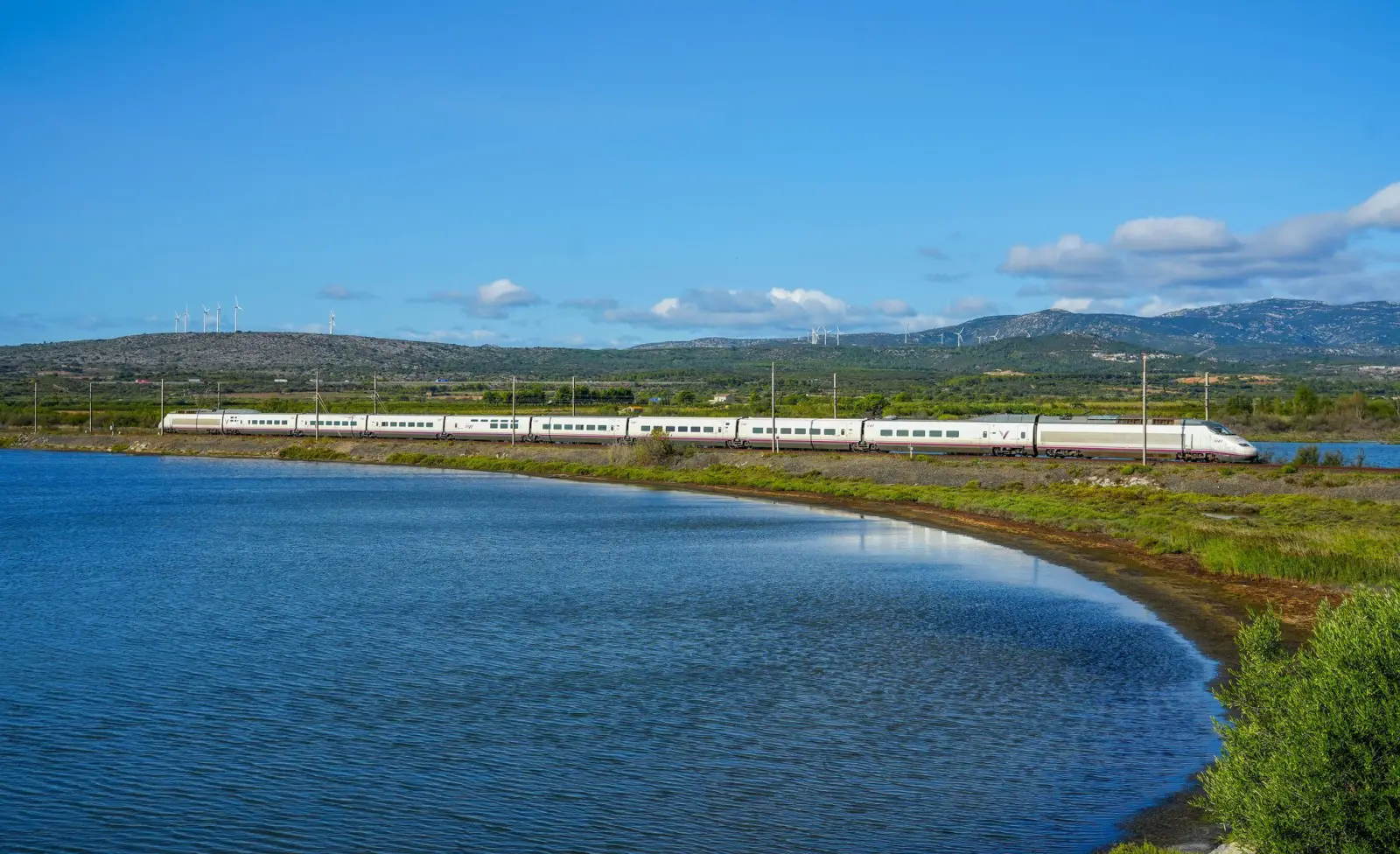
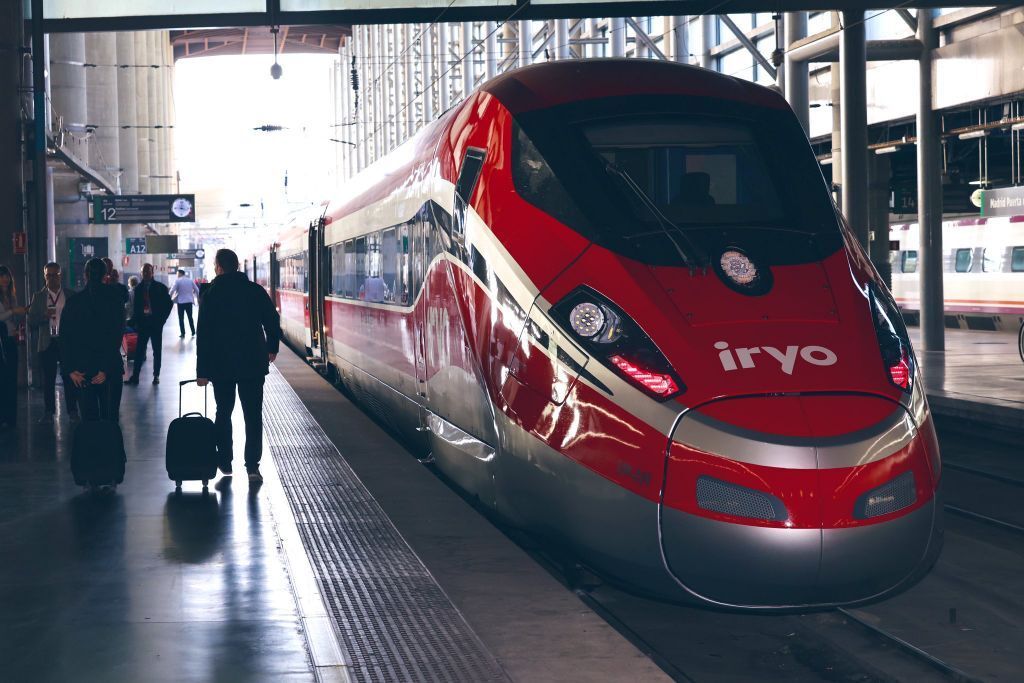
The entry of private operators like Iryo and Ouigo has brought sweeping changes to Spain’s high-speed rail market. Renfe Viajeros, the state-owned incumbent, still holds a dominant share in several corridors but now faces significant competition.
| Corridor | Renfe Market Share | Iryo Market Share | Ouigo Market Share |
|---|---|---|---|
| Madrid-Barcelona | 60.1% (47.9% AVE, 12.2% Avlo) | 23.7% | 16.2% |
| Madrid-Valencia | 50.6% (33.2% AVE, 17.4% Avlo) | 24.2% | 25.3% |
| Madrid-Alicante | 67.4% (53.3% AVE, 14.1% Avlo) | Data not specified | |
| Andalusia Corridors | 72–73% | 27–28% | – |
Despite the increased competition, Renfe continues to lead—especially in southern routes such as Madrid-Sevilla and Madrid-Málaga. But the emergence of Iryo and Ouigo has disrupted previous monopolies and introduced greater consumer choice, particularly in pricing and frequency.
Ticket Revenues Reflect Strong Demand
In financial terms, the Madrid-Barcelona corridor brought in €597 million in ticket sales in 2024—€60 million more than the previous year. The cost of access fees paid by operators to ADIF, the national rail infrastructure manager, fell to €299 million, down €11 million from 2023.
Madrid-Valencia saw ticket revenues rise to €147 million, an €8 million increase, while access fees in this corridor climbed to €53 million, up €5 million. These figures show that the liberalized market is not only popular among travelers but also generating significant revenue across the board.
Post-Pandemic Rail Renaissance
Historic Milestone: 549 Million Total Travelers
Spain’s entire rail network—including suburban (Cercanías), mid-distance, and long-distance services—carried more than 549 million passengers in 2024. That’s a 2.8% increase over 2023 and a 7.5% rise compared to pre-pandemic figures from 2019. It marks a new high for the country’s rail system, a sign of strong public confidence and sustained demand.
According to the CNMC, this remarkable growth is mainly attributed to two factors: the liberalization of commercial passenger rail services and government subsidies, especially for routes that fall under public service obligations (OSP). However, the report emphasizes that liberalization has had the most significant impact on long-distance high-speed travel.
More Choice, Better Prices
The CNMC concludes that three years of competition have resulted in a unique transformation: more travel options, more frequent service, and a notable drop in average ticket prices wherever more than one operator is present. The competitive dynamic has created a win-win scenario for both consumers and the industry.
Spain’s high-speed rail evolution demonstrates that well-managed liberalization can generate economic benefits, improve customer experience, and support broader sustainability goals. As more travelers turn to rail, the country continues to lead Europe in proving how competition and public infrastructure can drive large-scale success.