Avalanches triggered by heavy snowfall across the Swiss Alps derail a passenger train in the canton of Valais, kill two skiers in southern Switzerland, and force temporary closures of key transport routes over the past several days, as authorities warn of continued high avalanche danger in multiple regions.
The incidents occur amid unstable snow conditions following storms that deposit large volumes of fresh snow, prompting emergency responses by rail operators, rescue services, and local authorities while disrupting winter travel during a busy alpine tourism period.
Train derailed in Valais as avalanche strikes railway line
A passenger train on the Frutigen–Brig line derails near the village of Goppenstein in Valais after an avalanche strikes the tracks, according to Switzerland’s regional rail operator BLS. Around 80 passengers are on board at the time of the incident.
Emergency services evacuate dozens of travelers from the train, with helicopters deployed to assist rescue efforts in the mountainous terrain. Several passengers sustain injuries, though authorities do not immediately release precise casualty figures.
Rail traffic on the affected section of the Lötschberg route is suspended while crews clear snow and debris and inspect infrastructure for damage. The line forms a key north–south corridor through the Alps, used by commuters, tourists, and freight traffic linking Bern with the Valais region and onward to Italy.
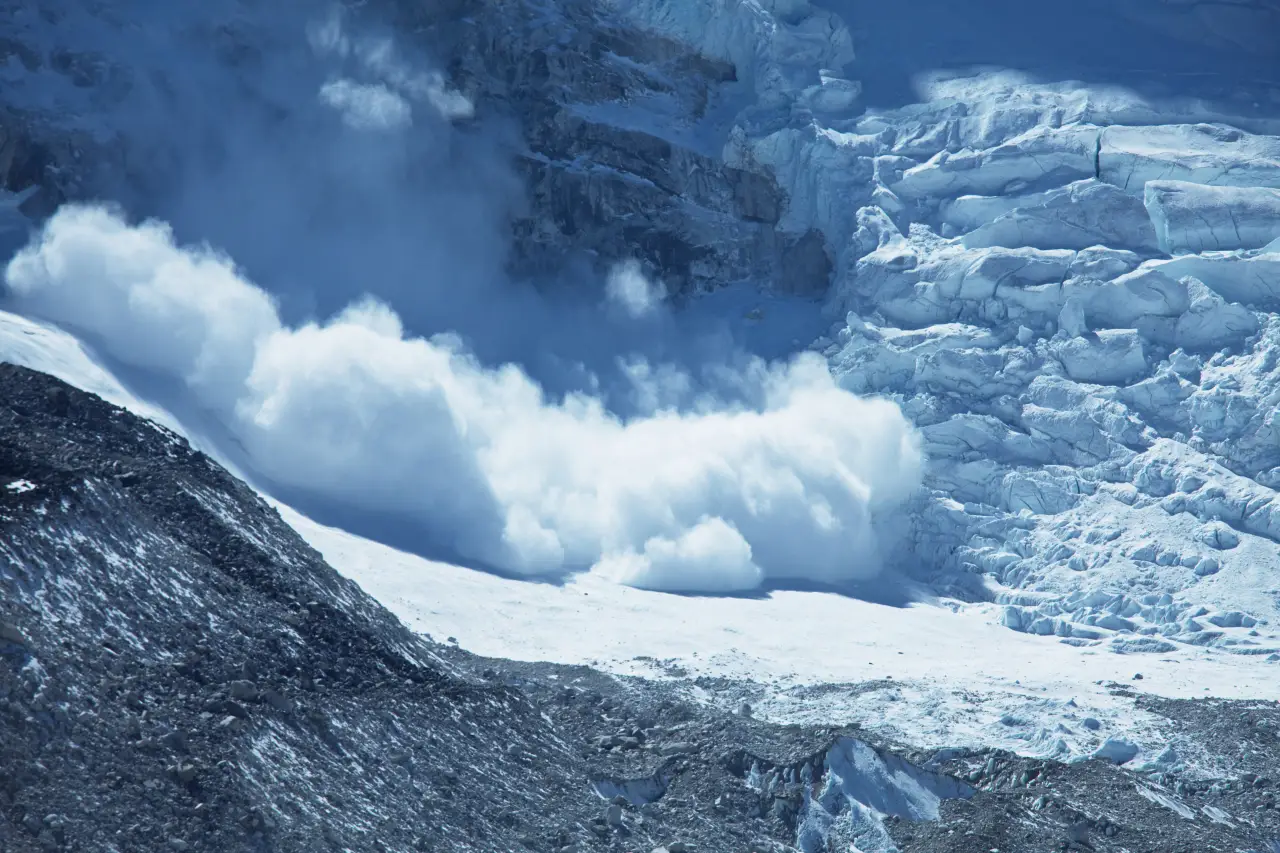
Local police confirm the derailment is directly caused by the avalanche, which descends from slopes above the rail line following intense snowfall over recent days. Transport officials say services will remain disrupted until safety assessments are completed.
Fatal avalanche kills two skiers near Airolo
In a separate incident, an avalanche near Airolo in southern Switzerland buries a group of ski tourers, killing two Belgian nationals. Rescue teams recover the victims after a search operation, while a third skier escapes unharmed.
Authorities report that the skiers are traveling in backcountry terrain when the snow slab breaks loose, sweeping them downslope. The area sits close to the Gotthard Pass, a popular winter sports region known for steep alpine routes and variable snowpack conditions.
Local officials reiterate warnings for off-piste travelers to consult avalanche bulletins and avoid high-risk slopes during periods of elevated danger.
Road and rail closures in Lötschental valley
Additional avalanches in the Lötschental valley in Valais temporarily cut off road access and disrupt rail services earlier in the week. Snow masses block the main valley road, while precautionary closures halt some train movements until clearance operations are completed.
Authorities reopen routes after crews remove debris and confirm slope stability, though officials caution that renewed closures remain possible if conditions worsen.
Authorities warn of continued high avalanche danger
Switzerland’s avalanche monitoring services report heightened risk across large parts of the Alps, particularly in Valais and regions north of the main alpine ridge. Heavy snowfall combined with strong winds creates unstable snow layers capable of producing large, spontaneous avalanches.
The Swiss avalanche research institute issues warnings that danger levels remain high in several zones, with conditions expected to stay volatile through the coming days as weather systems continue to bring snow and fluctuating temperatures.
Transport authorities coordinate closely with meteorological services to manage rail and road safety, implementing temporary closures where avalanche paths threaten infrastructure. Tourism operators in mountain resorts advise guests to follow official guidance and remain within secured ski areas.
The recent incidents underscore the vulnerability of alpine transport networks during extreme winter weather, particularly on routes running beneath avalanche-prone slopes. Switzerland relies heavily on tunnels, mountain railways, and high-altitude roads to connect regions that host millions of winter visitors each year.
Rail operator BLS states that avalanche galleries and protective structures shield many exposed sections of track, but exceptional snow volumes can overwhelm defenses, requiring manual clearance and inspections before trains can resume.
Emergency services emphasize that rapid response remains critical in avalanche zones, with helicopters often the fastest means of reaching isolated sites during winter conditions.
Authorities continue to urge residents and travelers to monitor official alerts, limit non-essential travel in high-risk areas, and exercise caution in mountainous terrain as unstable snow conditions persist across the Swiss Alps.
Photo Credit: Galyna Andrushko / Shutterstock.com