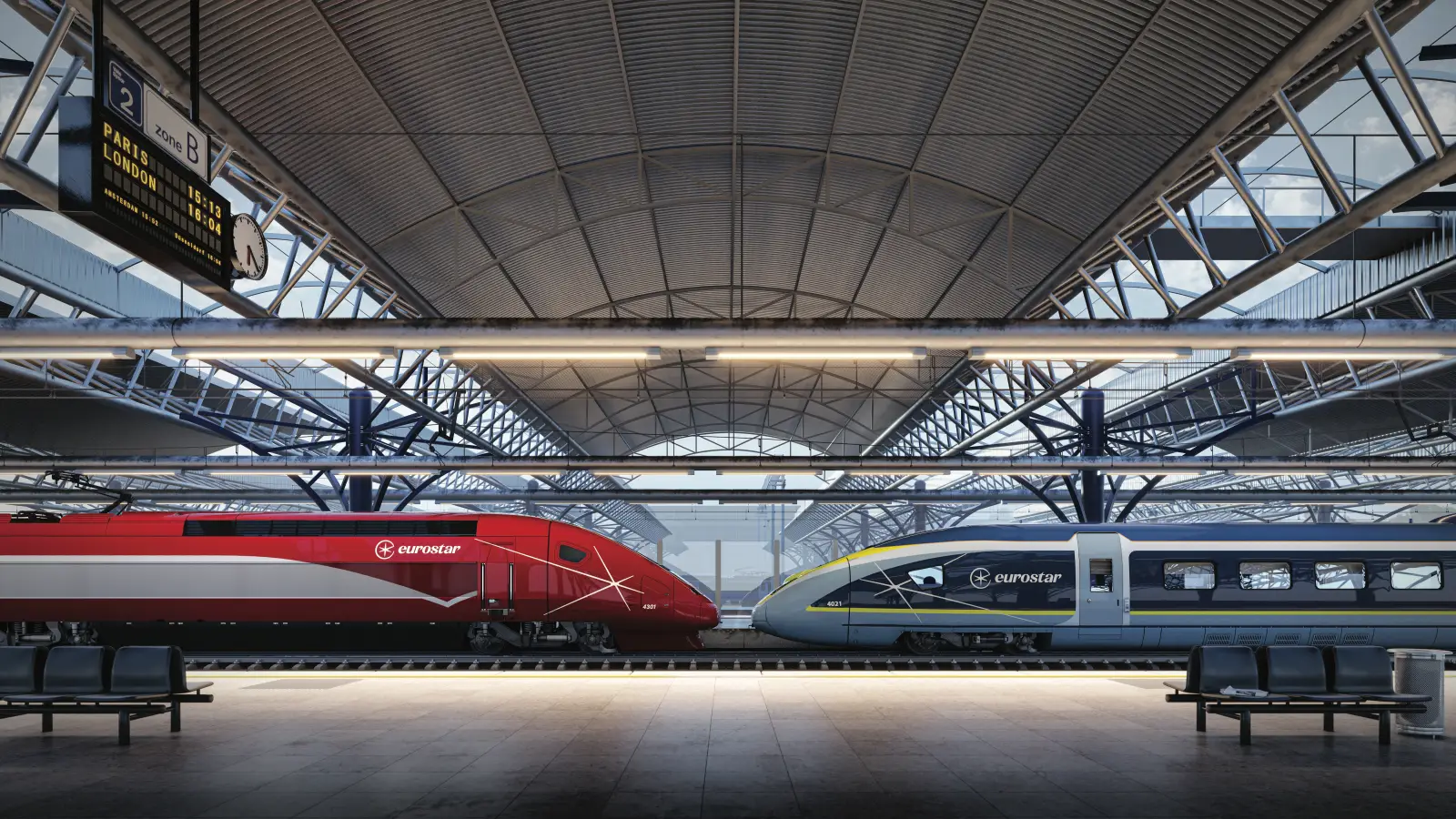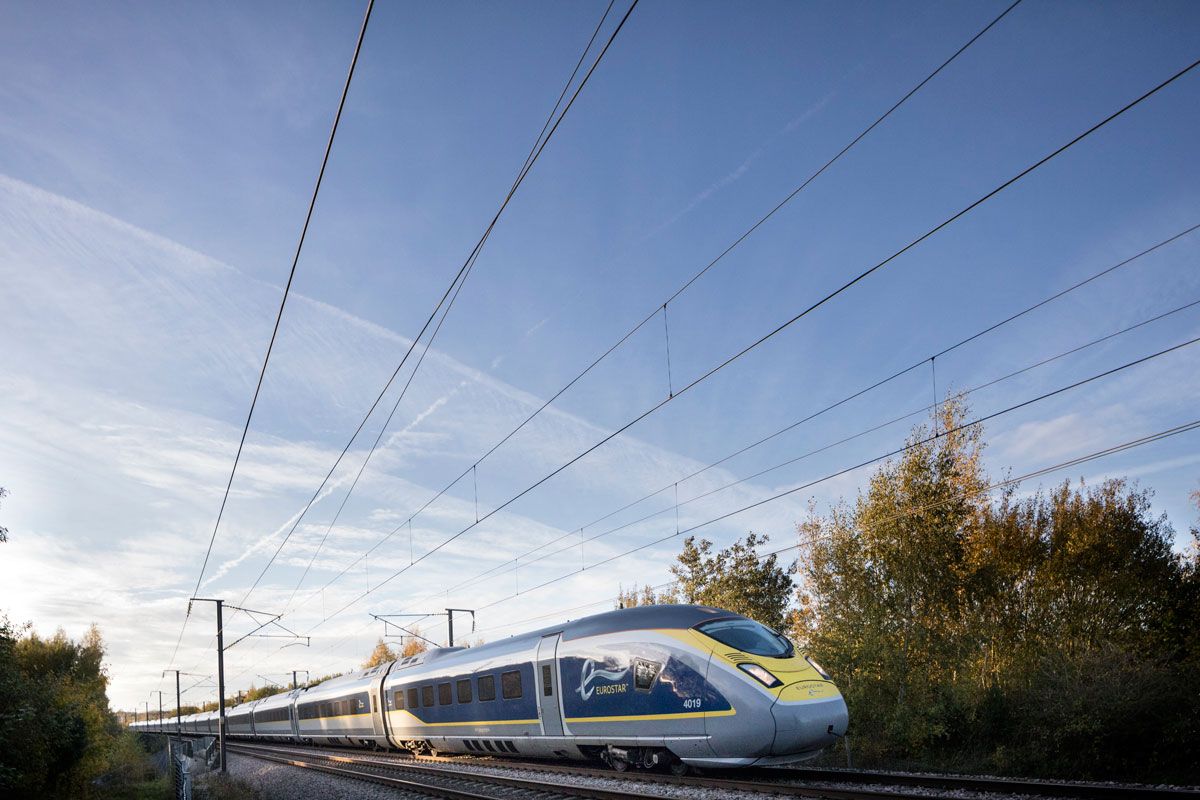
Eurostar resumes services on 31 December after suspending all cross-Channel trains a day earlier, following a power supply failure and a separate Le Shuttle incident that forced the closure of the Channel Tunnel. The international rail operator says it plans to run its full timetable between the UK and France today, although knock-on disruption means some delays and last-minute cancellations remain possible. Passengers are advised to check live train status updates before travelling.
The disruption began on 30 December when Eurostar warned of “major disruption” and halted all services after the tunnel closure, leaving thousands of travellers stranded at the height of the New Year travel rush. Trains between London, Paris, Brussels and other destinations were cancelled, and customers were told not to come to stations while engineers worked to restore power and address infrastructure issues. While services have now restarted, the operator cautions that recovery across the network will take time.
What went wrong — and what travellers should expect now
Eurostar says the initial shutdown followed a problem with the overhead power supply in the Channel Tunnel, compounded by a failed Le Shuttle train. With safety checks and repairs required, the tunnel was temporarily closed, forcing Eurostar to suspend all passenger services until further notice.
At the time of the cancellation announcement, the company told customers: “Unfortunately, this means we have no choice but to suspend all services today until further notice. We’re very sorry for the impact the situation may have on your travel plans.” The suspension affected all Eurostar routes, including high-demand services between London and Paris and London and Brussels.
On 31 December, Eurostar confirms that trains are running again after power was restored and overnight rail infrastructure issues were resolved. However, the operator warns that the effects of a full-day shutdown do not disappear instantly. Train crews and rolling stock have to be repositioned, and congestion can build up on busy routes, increasing the risk of delays or late cancellations.
For travellers, that means flexibility remains essential. Eurostar advises customers to monitor its website or mobile app for real-time information and to avoid travelling to stations without confirming their train is running. Those with tight onward connections or time-sensitive plans are being urged to factor in extra time.
Refunds, compensation and alternative routes
Passengers whose Eurostar trains were cancelled on 30 December retain clear rights under the company’s conditions of carriage and wider passenger protection rules. In a statement sent to Euronews Travel, Rory Boland, Editor of Which? Travel, explains that customers have a choice when a train is cancelled.
“Passengers who have had their train cancelled have the option to exchange their booking or claim a Eurostar e-voucher or cash refund,” said Rory Boland, Editor of Which? Travel. He notes that e-vouchers are valid for 12 months from the date of the disrupted journey and can be redeemed directly on Eurostar’s website, while cash refunds are processed within 28 days.
Compensation also applies to delays rather than outright cancellations, with the level depending on how late passengers arrive. “For delays, travellers are entitled to compensation,” Boland adds. “If you’re delayed overnight, you have the right to be put up in a hotel or be reimbursed for one.”
Eurostar’s own guidance says it will consider reimbursing reasonable expenses for overnight accommodation, food, transport between the station and accommodation, and even the cost of contacting people waiting at the destination, as long as those costs are a direct result of the disruption. Receipts are typically required, and claims are assessed on a case-by-case basis.
For delays of 60–119 minutes, passengers can claim 30 per cent of the affected leg as an e-voucher or 25 per cent in cash. Delays of up to 179 minutes increase compensation to 60 per cent as a voucher or 50 per cent in cash. For journeys delayed by more than 180 minutes, Eurostar offers 75 per cent back in voucher form or 50 per cent as a cash refund. Travellers have up to three months from the date of travel to submit a claim.
Some passengers, particularly those trying to get home for New Year celebrations, have looked to alternative routes such as ferries. Boland says this can be an option, but it comes with risks. “It may also be possible to use alternative routes such as the ferry,” he says, adding that travellers should contact Eurostar first to confirm whether additional costs will be covered, or risk being “left out of pocket”.
Eurostar, however, draws a firm line in certain circumstances. The company says it will not cover the cost of alternative transport by rail, coach or ferry if it has informed passengers of their options within 100 minutes of their scheduled departure and they did not wait for the next available Eurostar service.
As services resume on 31 December, the priority for many travellers is certainty rather than speed. With the Channel Tunnel back open but the network still recovering, the advice is simple: check before you travel, keep documentation for any extra expenses, and know your rights if plans change again.